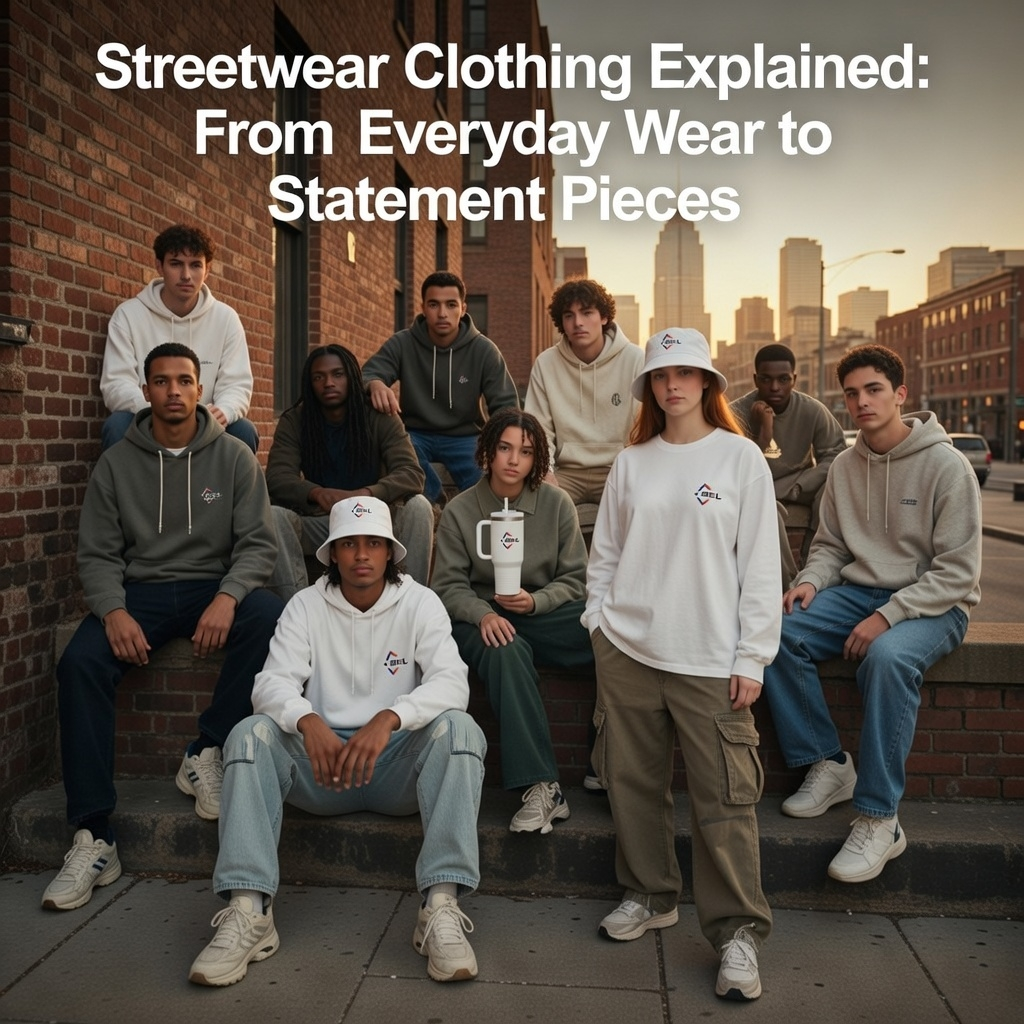
Streetwear clothing is one of the most misunderstood categories in fashion. People see a hoodie or a graphic tee and assume that is the full picture. It is not. Streetwear spans a range from everyday pieces you can wear to work or to the store, all the way to statement pieces designed to start conversations.
But here’s what many guides miss: great streetwear isn’t created in a vacuum. It’s forged by local culture—the music, the murals, the neighborhoods. For a brand like Bell LLC, this means grounding our designs in the identity of Baltimore. A hoodie isn’t just a hoodie; it’s a representation of Charm City’s grit and pride. This local connection is what separates authentic streetwear from mass-produced imitations.
Grasping the full range—from everyday staples to cultural statements—is the first step to knowing what streetwear actually is and why it holds cultural weight.
the complete history of streetwear
Defining Streetwear Clothing
Streetwear clothing is apparel rooted in subculture. It grew out of skateboarding, hip-hop, graffiti, and punk communities in the 1980s and 1990s. The clothing served a purpose within those communities: it identified who was part of the group, it communicated values, and it rejected the rules of mainstream fashion.
Today, streetwear is a category that includes t-shirts, hoodies, hats, pants, outerwear, and accessories. But what makes these items streetwear is not the product type. It is the design intention, the cultural context, and the audience they serve.
A plain white t-shirt is not streetwear. A t-shirt designed by a brand rooted in a city’s culture, carrying a graphic that references that community, sold through channels that cater to a specific audience: that is streetwear. The difference is in what the piece carries beyond the fabric.
Everyday Pieces: The Foundation of a Streetwear Wardrobe
Most of what streetwear brands produce falls into the everyday category. These are pieces designed to be worn regularly, styled with other wardrobe staples, and suited for a range of settings. They do not demand attention, but they carry the brand’s identity in a way that the wearer recognizes.
T-Shirts
The t-shirt is the most common streetwear item. It is also the most accessible. A well-designed streetwear t-shirt communicates identity without requiring the wearer to explain anything. The graphic or logo does the talking.
What separates a streetwear t-shirt from a mass-market one is the intention behind the design. The graphic is not decorative. It is a statement. It might reference a city, a movement, a cultural moment, or a personal philosophy.
Fabric quality matters at this level too. Streetwear consumers expect a t-shirt that holds its shape after multiple washes, maintains its color, and feels substantial when worn. Thin, cheap cotton signals a brand that does not respect its own product. (Curious about what makes a shirt last? Check out our guide on the best t-shirt fabric for Baltimore streetwear.)
[SHOP T-SHIRTS] → Explore our collection of Baltimore t-shirts designed for everyday wear.
Hoodies & Sweatshirts
Hoodies are the second pillar of streetwear wardrobes. They serve a dual purpose: comfort and expression. A hoodie from a streetwear brand is not the same as a blank hoodie from a department store, even if the silhouette looks similar.
The weight of the fabric, the placement of the graphic, the fit through the shoulders and body—these details differ between brands and separate streetwear hoodies from the generic equivalent. A well-constructed hoodie becomes a staple piece that gets worn for years.
Hoodies also function as canvases for some of the most prominent branding in streetwear. Back prints, chest logos, and sleeve details all offer space for the brand to express itself. (Living in Baltimore? Learn why fabric choice matters for our weather in our guide on the best sweatshirt material for Baltimore weather.)
[SHOP HOODIES] → Browse our selection of Baltimore sweatshirts built for comfort and longevity.
Hats & Headwear
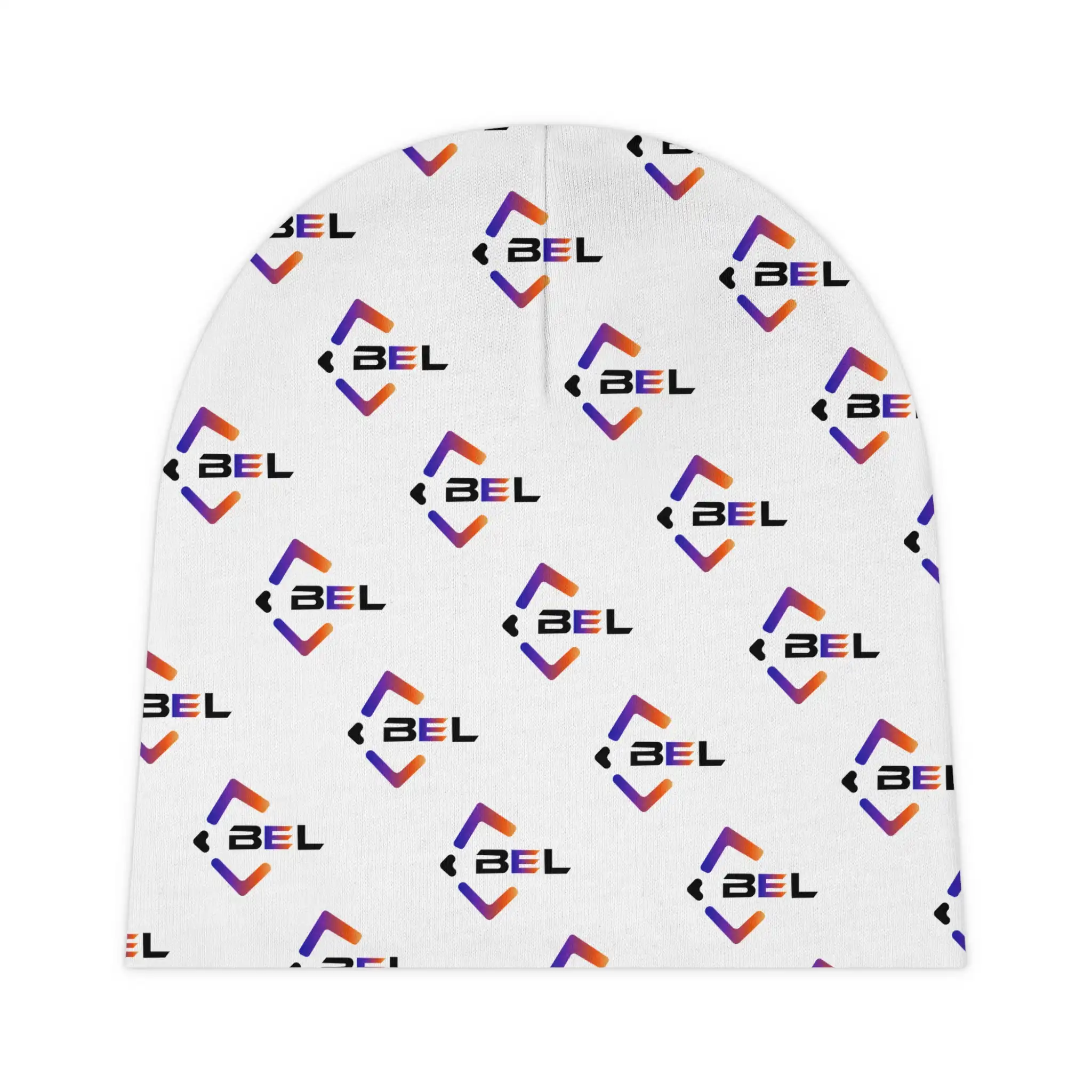
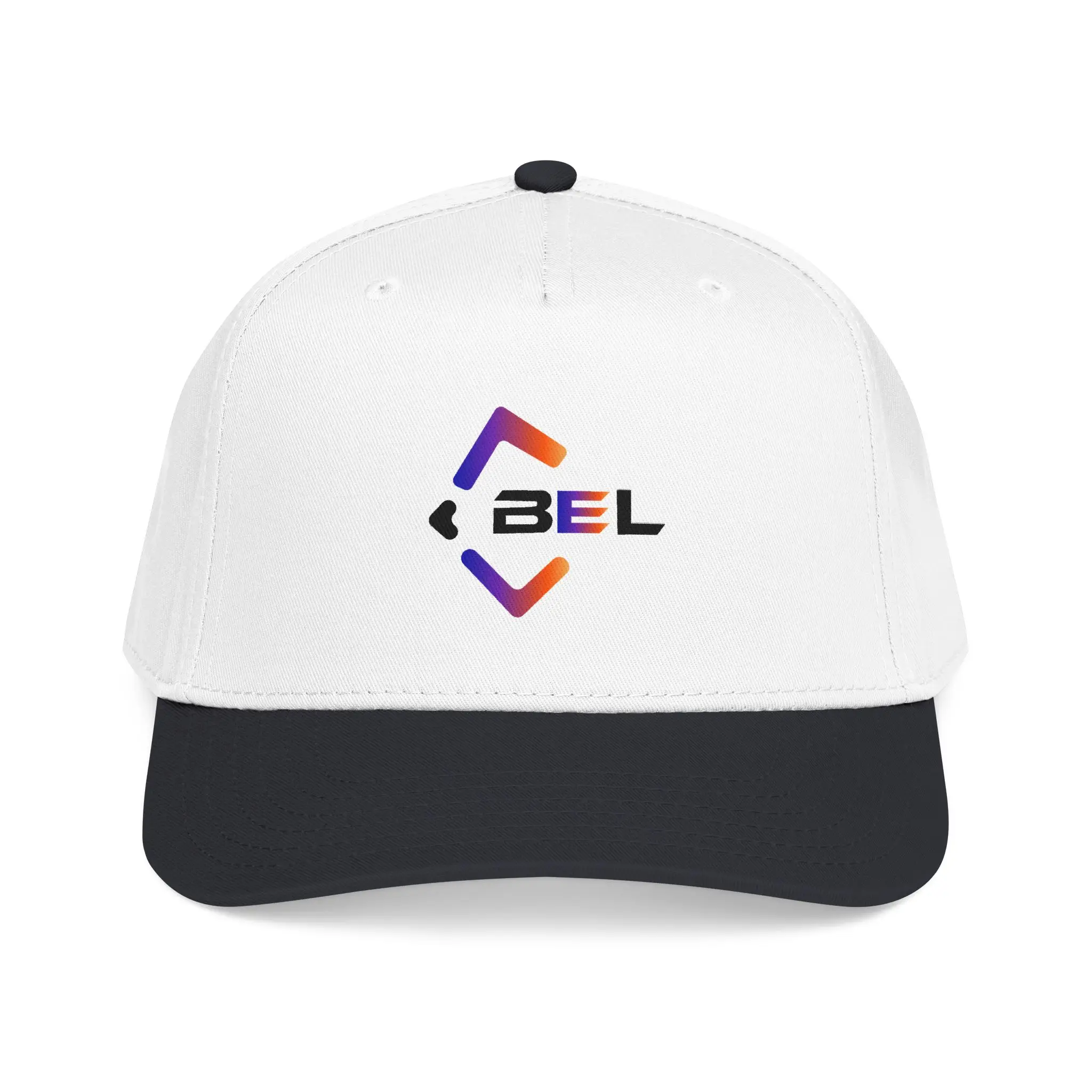
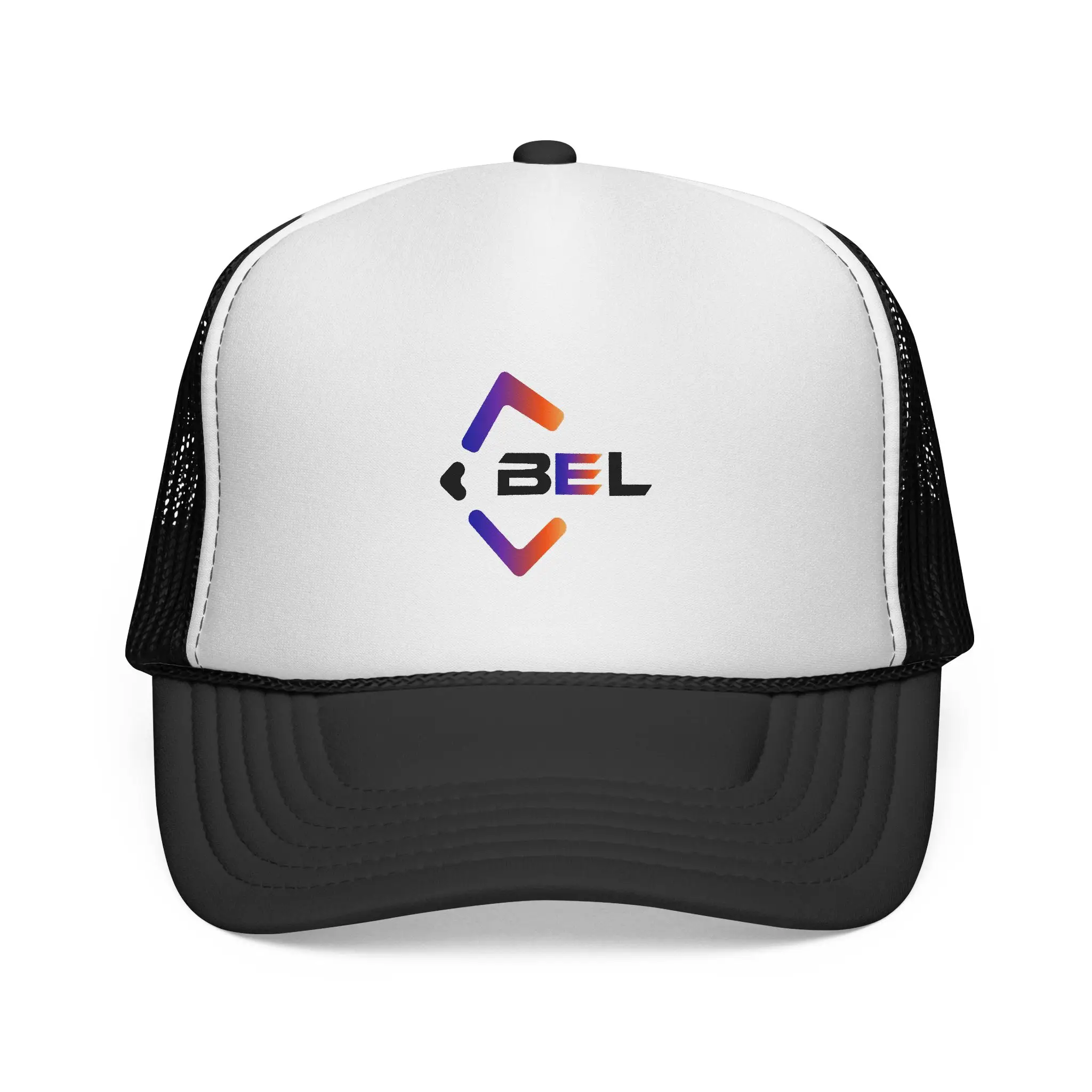
Hats occupy a space in streetwear that is both functional and expressive. Snapbacks, dad hats, beanies, and bucket hats all serve as accessories that complete a look and signal brand affiliation.
In streetwear, hats are often the entry point for new customers. They are priced lower than garments, they are one-size in many cases, and they are visible. A hat with the right logo or design gets noticed. It starts conversations and introduces the brand to people who might not have discovered it otherwise.
Headwear also holds a specific place in city-based streetwear. A hat carrying a city name, a local reference, or a neighborhood code becomes a marker of belonging. For a deeper look at how local design comes to life, see how BEL designs Baltimore hats locals love.
[SHOP HEADWEAR] → Find your new favorite Baltimore hats to complete your look.
Statement Pieces: Designed to Be Noticed
On the other end of the spectrum, statement pieces exist to stand out. These are items that draw the eye, spark questions, and communicate something that goes beyond the everyday. Statement pieces are not worn casually. They are worn with intention.
Graphic-Heavy Outerwear
Outerwear in streetwear often serves as the canvas for the brand’s most ambitious designs. Jackets, windbreakers, and bombers with full-panel graphics or all-over prints turn a functional item into a visual statement.
These pieces require more investment from both the brand and the consumer. The production cost is higher because of the material and printing techniques involved. The retail price reflects that. But the result is a piece that functions as wearable art.
Statement outerwear is often produced in smaller quantities, adding to its significance. Owning a piece from a limited run carries cultural weight within the streetwear community. It signals awareness, commitment, and taste.
Collaboration Pieces
Collaborations between streetwear brands and other entities (artists, musicians, other brands, community organizations) produce some of the most sought-after statement pieces. These collaborations merge two identities into a single product, creating something that neither party would produce alone.
The appeal of collaboration pieces lies in their specificity. They mark a moment in time when two creative forces aligned. Once the run is sold out, the piece becomes a documented artifact of that collaboration. The wearer carries that history.
Accessories as Statements
Statement-making is not limited to clothing. Accessories like bags, mugs, tote bags, and wall art can serve the same purpose. In streetwear culture, how someone decorates their space and what they carry matters. These items extend the brand’s identity beyond the wardrobe and into daily life.
Streetwear accessories work because they take the same design principles that apply to clothing and apply them to objects people use or display. A mug with a city-specific graphic sits on a desk and communicates something about the person who chose it. A tote bag with a brand logo turns a functional item into a mobile billboard for the culture.
[SHOP ACCESSORIES] → Explore Baltimore mugs, tote bags, and wall art to bring streetwear culture into your everyday space.
The Space Between Everyday & Statement
Most streetwear wardrobes are built in the space between everyday pieces and statements. This middle ground includes items that are wearable day-to-day but carry design elements that stand out when noticed.
A sweatshirt with a subtle embroidered logo on the chest, a hat with a tonal design that reveals itself up close, a t-shirt with a back print that only shows when the wearer turns around—these are pieces that operate on two levels. To most people, they look like regular clothing. To those who know the brand, they carry meaning.
This middle ground is where many streetwear brands do their best work. It requires restraint in design, awareness of how people actually wear clothes, and confidence that the audience will appreciate the subtlety.
How to Build a Streetwear Wardrobe That Works
Building a streetwear wardrobe is not about buying everything a brand releases. It is about selecting pieces that align with personal identity and serve the wearer’s daily life.
- Start with everyday pieces from brands that resonate. T-shirts, hoodies, and hats from a brand with a story and a point of view form the base layer of the wardrobe. These items get worn regularly and serve as the default expression of style.
- Add statement pieces selectively. These are the items that get reserved for specific occasions or moods. A collaboration jacket, a limited-run hoodie, or a piece with significant design work adds range to the wardrobe without overwhelming it.
- Pay attention to construction and material. A wardrobe built on quality lasts longer and ages better. Streetwear pieces that are made well develop character over time. Pieces made poorly fall apart and need replacing. (For a deeper dive, read our breakdown of the best fabrics for everyday Baltimore wear.)
- Consider the brand behind the product. The best streetwear wardrobes are not just collections of clothing. They are curated expressions of the wearer’s identity, built from brands that share their values and represent their culture.
Streetwear Clothing & Daily Life
Streetwear is not reserved for weekends or outings. For many people, it is daily wear. It is what they put on for work, for errands, for dinner, and for everything in between. The versatility of streetwear pieces is what makes them functional beyond fashion.
A well-chosen hoodie goes from a morning coffee run to a casual meeting. A clean t-shirt with a considered graphic works at a barbecue or a gallery opening. Streetwear clothing moves through life with the wearer because it was designed for real living, not for photo ops.
This integration into daily life is one of the things that sets streetwear apart from other fashion categories. High fashion is for occasions. Fast fashion is disposable. Streetwear sits in the middle: it matters enough to choose with care, and it works hard enough to wear every day.
Why It Matters
Streetwear clothing matters because it gives people a way to express who they are through what they wear, every day. It is not about status or showing off a price tag. It is about identity, culture, and belonging.
The range from everyday wear to statement pieces means there is a place in streetwear for every mood, every budget, and every level of engagement. A person can start with a t-shirt and gradually build a wardrobe that tells their story. There is no entry fee beyond finding a brand that speaks to them.
For the culture, the continued existence of streetwear as a clothing category keeps fashion connected to the streets, the neighborhoods, and the people who originally built it. Every piece sold from a brand with roots in a real community—like Bell LLC in Baltimore—is a piece that keeps that connection alive.
Mistakes & Misconceptions About Streetwear Clothing
- Mistake: Streetwear means expensive. It does not. While some pieces carry premium prices due to limited production, many streetwear brands offer accessible products. The difference is in what you are paying for: meaning, not markup.
- Mistake: Streetwear is only for young people. Age has nothing to do with it. Streetwear is about identity and expression. People of all ages wear streetwear because the clothing reflects who they are, not how old they are.
- Mistake: Streetwear is just graphic tees and hoodies. The category extends into outerwear, accessories, headwear, home goods, and more. Reducing it to two product types ignores the breadth of what streetwear brands create.
- Mistake: Wearing streetwear requires following every trend. It does not. The point of streetwear is personal expression, not conformity. Wearing what resonates, regardless of what is trending, is the most aligned approach.
- Mistake: Streetwear is a phase. It has existed for over four decades and shows no signs of disappearing. It continues to evolve, influence mainstream fashion, and produce new brands.
How to Care for Your Streetwear
Investing in streetwear means knowing how to care for it. To preserve the graphic on your favorite tee, wash it inside out in cold water. For hoodies, avoid high heat in the dryer to maintain the fabric’s weight and fit. This is how you keep your pieces—from everyday staples to limited drops—looking fresh for years. (For more details, explore our guide on the softest t-shirt material and how to maintain it.)
Frequently Asked Questions
What is the difference between streetwear and casual wear?
Casual wear is a product category defined by comfort and informality. Streetwear is a cultural category defined by roots in subculture, intentional design, and community. The overlap is in the product types, but the distinction is in the intention. A pair of sweatpants from a mass-market brand is casual wear. A pair from a brand rooted in a specific community with intentional design elements is streetwear.
How can I identify quality streetwear clothing?
Quality shows up in material weight, stitching consistency, print durability, and how the piece fits on the body. A quality streetwear piece feels substantial, holds its form after washing, and maintains its color and graphic integrity over time. Reading reviews, handling products in person when possible, and paying attention to fabric composition all help in evaluating quality before purchase.
Why do streetwear brands release items in limited quantities?
Limited releases serve cultural and practical purposes. Culturally, scarcity adds value and creates a sense of participation for the buyer. Practically, many streetwear brands operate on tight budgets and cannot afford large production runs. Limited quantities also reduce the risk of unsold inventory, which is important for independent brands managing their own finances.
How does streetwear fit into professional settings?
The line between professional and casual dress has shifted. Many workplaces now accept streetwear as part of daily attire, especially in creative and tech industries. The key is choosing pieces that are clean, well-fitting, and not overly loud for the setting. A quality hoodie, a well-designed t-shirt, or a pair of streetwear-branded pants can work in professional environments that value individual expression over dress codes.
What makes a streetwear piece worth keeping?
A piece is worth keeping when it holds meaning, maintains quality, and continues to fit into the wearer’s life. Pieces from brands with cultural significance tend to appreciate in personal value over time, even when the market value fluctuates. A shirt bought at a pop-up event, a hat from a limited collaboration, or a hoodie from a brand’s first release—these items become part of a personal archive that tells the wearer’s story.
Conclusion: Build Your Wardrobe with Intention
Streetwear clothing covers a range that most people do not fully appreciate. From everyday t-shirts and hoodies that integrate into daily life to statement pieces that command attention, the category is built on intentional design, cultural context, and community connection.
Recognizing this range allows people to engage with streetwear on their own terms, building wardrobes that reflect who they are and where they come from. For those who call Baltimore home—or simply appreciate its culture—that means wearing pieces that carry the city’s identity with pride.
The clothing is the surface. Culture is the substance.
Ready to Start Your Streetwear Journey?
- Shop Everyday Essentials: Explore our Baltimore t-shirts, hoodies, and hats.
- Make a Statement: Check out our accessories and wall art to extend your style beyond clothing.
- Learn More: Read about why wearing Baltimore with pride is more than just a trend.