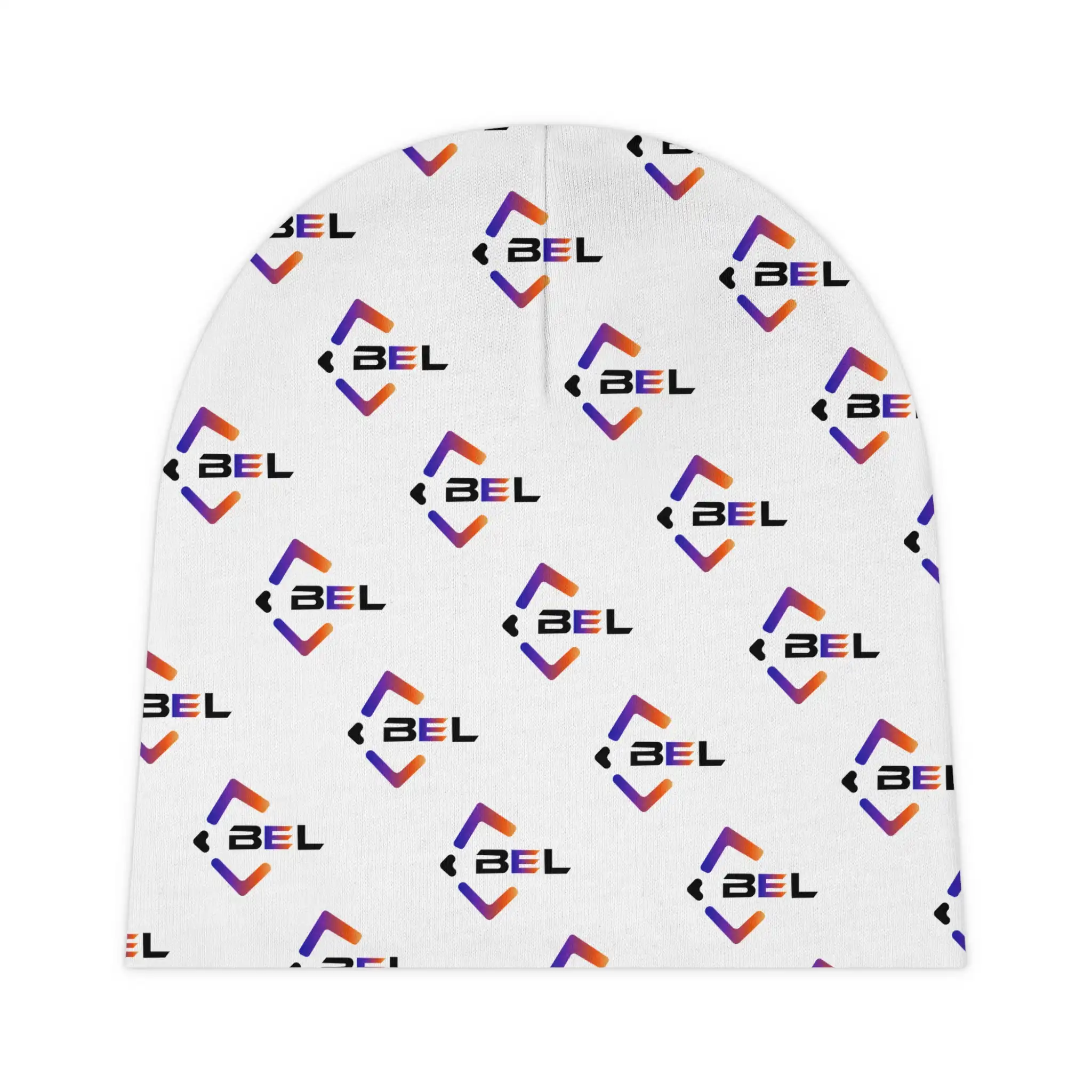
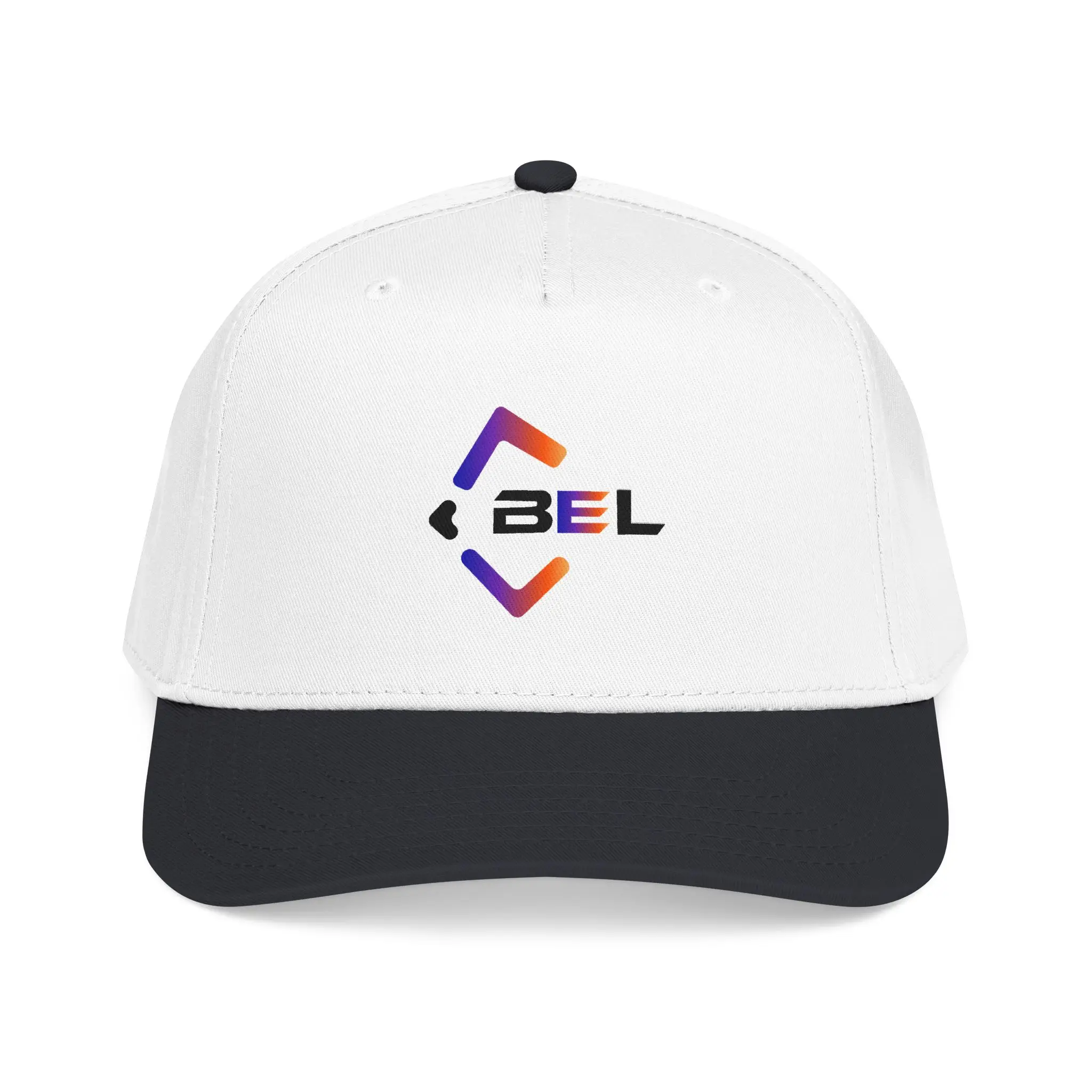
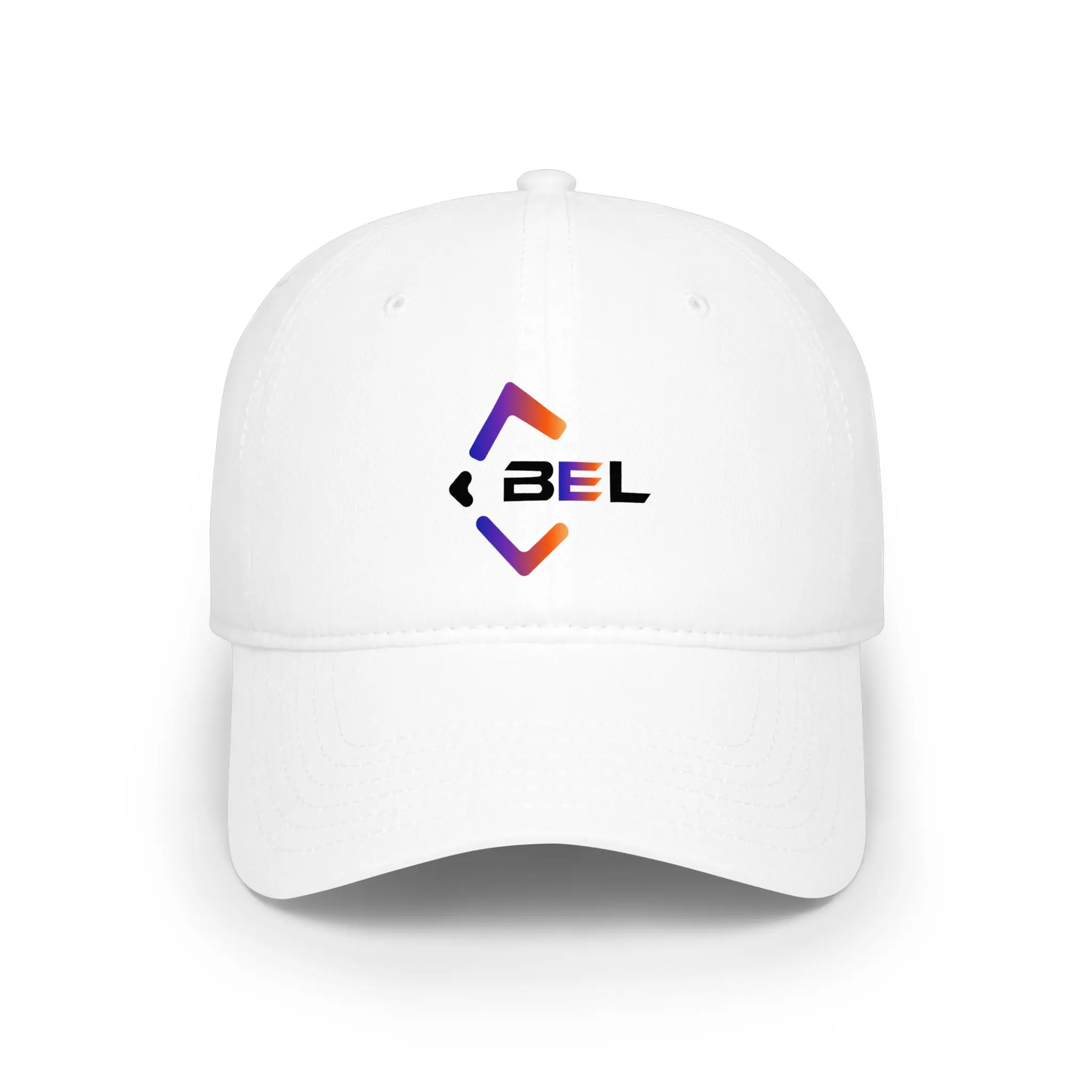
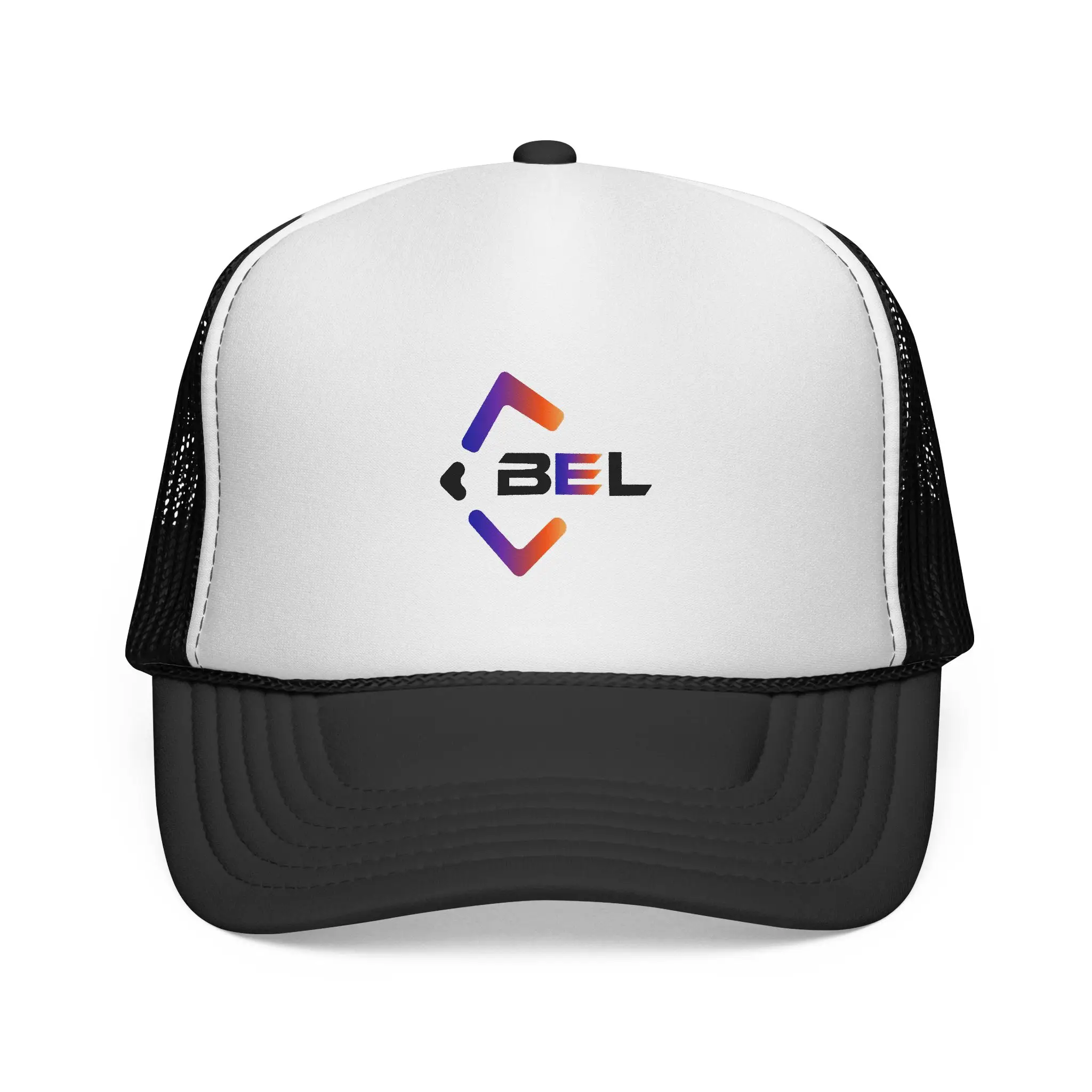
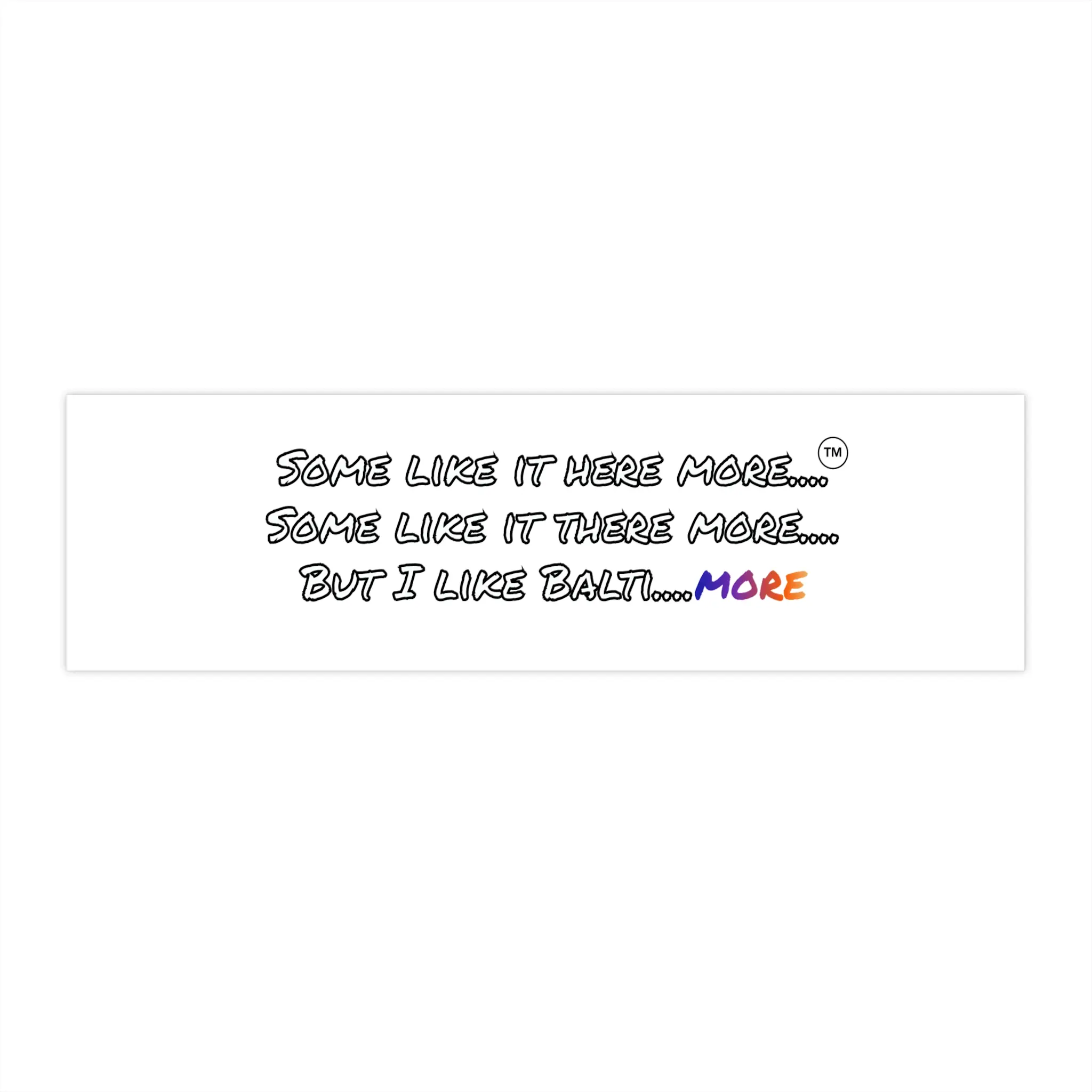
Streetwear merchandise is not a side project. It is not a revenue supplement stapled onto the core business. In streetwear, merch is a direct extension of the brand’s visual identity, carrying the same design language, the same cultural references, and the same level of intention as any garment in the lineup. When executed well, merch reinforces the brand at every touchpoint. When executed poorly, it signals that the brand treats part of its output as an afterthought.
What Merch Means in Streetwear
The word “merch” covers a range of products that extend beyond clothing. Hats, tote bags, mugs, tumblers, stickers, wall art, and other items all fall under the merch category. In streetwear, these products are not generic giveaways. They are branded items that carry the same visual identity as the brand’s garments.
The distinction between merch and product in streetwear is thinner than in other industries. A hat from a streetwear brand is merch in the sense that it extends the brand’s identity into an accessory format. But it is also a product that the consumer wears, uses, and connects with in the same way they connect with a tee or a hoodie. The line between the two barely exists.
This is because streetwear operates as a lifestyle category. The audience does not engage with the brand only through clothing. They engage through everything the brand puts into the world. A mug sitting on a desk, a tote bag carried through a city, a sticker placed on a laptop: each of these items carries the brand’s identity into spaces that clothing alone cannot reach.
How Merch Extends Visual Identity
Consistent Design Language Across Products
The strongest streetwear brands maintain the same visual language across every product they create. The typography on a mug matches the typography on a hoodie. The color palette on a tote bag aligns with the palette used across the brand’s garment collections. The graphic style on a piece of wall art feels like it belongs in the same world as the graphics on a t-shirt.
This consistency is what makes merch feel like an extension rather than an addition. When a consumer picks up a mug from a brand they wear, they should immediately recognize it as part of that brand’s world. The visual identity should be unmistakable regardless of the product type.
Inconsistency breaks this connection. A brand that applies its design language with care to its clothing but uses generic templates for its merch creates a gap. The consumer feels it even if they cannot articulate it. The merch feels disconnected, and the brand’s identity loses coherence.
Graphics That Work Across Mediums
Not every graphic translates well from fabric to ceramics, from cotton to canvas, from wearable to functional. The brands that produce strong merch understand how to adapt their visual identity to different surfaces and formats without losing the core of the design.
A graphic that works on a t-shirt might need to be scaled, repositioned, or simplified for a mug. The curvature of the mug, the size of the printable area, and the viewing distance all affect how the graphic reads. A brand that simply copies a tee graphic onto a mug without adjusting for the medium produces a product that looks like an afterthought.
The best streetwear merch adapts the brand’s visual language to the specific product while keeping the identity intact. The consumer should recognize the brand immediately but also feel that the design was made for that specific item rather than transferred from another product.
Merch as Cultural Artifacts
Why People Collect Streetwear Merch
Streetwear merch functions as a collection for many consumers. They do not just buy items they need. They acquire pieces that mark their engagement with the brand over time. A mug from an early collection, a tote bag from a pop-up event, a sticker from a limited release: these items document the consumer’s relationship with the brand.
This collecting behavior is natural in streetwear because the culture values scarcity and cultural meaning. A piece of merch that was available for a limited time at a specific event carries significance beyond its function. It is proof that the consumer was there, that they participated, and that they cared enough to acquire something from that moment.
The collecting impulse also means that merch quality matters. A mug that chips after two uses or a tote that tears after a month does not hold its place in a collection. Durable merch that maintains its appearance over time becomes part of the consumer’s daily life and part of their ongoing relationship with the brand.
Event-Specific & Drop-Specific Merch
Some of the most valued merch in streetwear is tied to specific events or drops. A hat released exclusively at a pop-up, a mug available only during a brand anniversary, or a sticker pack included with purchases during a limited window all create merch with built-in significance.
These limited items function as timestamps. They mark a moment in the brand’s timeline and give the consumer something physical to associate with that moment. When the consumer uses that mug a year later, they remember the event, the experience, and the community they were part of. The item triggers memory, and that memory reinforces the relationship.
Event-specific merch also drives attendance and engagement. The promise of items available only at a specific location or during a specific window motivates the audience to show up. That motivation translates into in-person community building, which strengthens the brand’s cultural foundation.
Product Categories That Serve as Visual Extensions
Headwear
Hats are the merch item that functions most like a garment. They are worn publicly, they sit at eye level, and they carry the brand’s logo or graphic in one of the most visible positions on the body. A hat with a brand’s mark turns every outing into brand exposure.
In streetwear, hats also carry cultural significance tied to city identity. A hat with a city name, a local code, or a neighborhood reference communicates belonging in a way that is immediate and recognizable. This makes headwear one of the most identity-driven merch categories.
The design on a hat has to work in a compact format. Embroidery, woven patches, and screen-printed graphics all need to be legible and visually balanced within the confines of a cap’s front panel or brim. That constraint forces brands to distill their visual identity to its most essential elements.
Bags & Totes
Tote bags carry the brand’s identity into daily routines. A tote with a graphic turns a trip to the grocery store into a mobile display of brand affiliation. The surface area of a tote allows for graphics that rival what a t-shirt can carry, making it one of the most visually impactful merch items.
Totes also function as practical items, which means they get used repeatedly. A well-designed tote enters the consumer’s life in a way that a garment might not. It goes everywhere: stores, offices, parks, transit. Each use puts the brand’s visual identity in front of new audiences.
Drinkware
Mugs and tumblers extend the brand into home and office environments. A mug with a brand graphic sitting on a desk communicates something about the person using it. It is a statement made in a space where clothing is not always visible.
Drinkware is also a daily-use item. The consumer interacts with it every morning, every afternoon, every time they reach for a drink. That frequency of interaction deepens the association between the brand and the consumer’s routine. The brand becomes part of how they start their day.
Wall Art & Home Goods
Wall art takes the brand’s visual identity off the body and onto the wall. A piece of branded wall art in a home or a studio extends the brand’s presence into the consumer’s environment. It signals that the consumer’s connection to the brand goes beyond wearing it.
Home goods in streetwear operate in the same space. They carry the brand’s design language into the consumer’s living space, creating an environment that reflects their cultural identity. The strongest streetwear home goods feel like natural extensions of the brand rather than random products with a logo slapped on them.
The Business Case for Merch as Identity Extension
Merch that serves as a visual extension of the brand’s identity does more than generate additional revenue. It deepens the relationship between the brand and the consumer. Every touchpoint where the consumer encounters the brand’s visual identity reinforces their connection to it.
Merch also functions as an entry point for new consumers. A person who is not ready to buy a hoodie might start with a hat or a mug. That first purchase introduces them to the brand’s visual world. If the merch is well-designed and well-made, it builds enough trust and interest to lead to future garment purchases.
The economic model works because the merch is desirable on its own terms. It is not a throwaway item purchased out of obligation. It is a product that the consumer wants because it carries a visual identity they connect with. That desire is what makes the merch line a genuine extension of the brand rather than a cash grab.
Why It Matters
Streetwear merch as a visual extension of brand identity matters because it expands the number of ways a consumer can engage with a brand. Clothing alone limits that engagement to what the person wears. Merch opens it up to what they carry, what they drink from, what they display, and what they use in their daily routine.
For consumers, merch that carries the brand’s visual identity with the same quality and intention as the clothing allows them to build a lifestyle around the brands they connect with. The engagement goes beyond the wardrobe. It enters their home, their workspace, and their daily habits.
For brands, treating merch as a visual extension rather than a secondary product line strengthens the overall identity. Every item that goes into the world carrying the brand’s design language is working on the brand’s behalf. The merch is not a side note. It is the brand showing up in more places with the same level of care.
Mistakes & Misconceptions About Streetwear Merch
The most common mistake is treating merch as an afterthought. Brands that invest in garment design but phone in their merch create a disconnect that the audience notices. Every product carries the brand’s name, and every product reflects on the brand’s credibility.
Another misconception is that merch does not need to be well-made because it is priced lower than clothing. Quality matters regardless of price point. A mug that chips, a tote that tears, or a hat that loses its shape undermines the brand’s reputation even if the consumer only paid a fraction of what a hoodie costs.
Some brands use merch as a dumping ground for designs that did not work on clothing. This approach produces products that feel like leftovers rather than extensions. Merch design should be intentional and specific to the product, not recycled from other contexts.
There is also the misconception that merch only matters for large brands. Small and independent brands benefit from merch just as much, if not more. Merch allows a small brand to increase touchpoints with its audience without the production cost of a full garment line. A well-designed hat or mug can introduce the brand to someone who has never seen its clothing.
Finally, some brands neglect the packaging and presentation of merch. How a product arrives matters. A mug shipped in a branded box with care creates a different impression than the same mug shipped in a generic mailer with bubble wrap. The experience of receiving and opening the merch is part of the brand’s visual identity.
Frequently Asked Questions
Why Merch Quality Should Match Garment Quality
The consumer holds the brand to one standard, not separate standards for different product types. A hat that falls apart or a mug that fades sends the same message as a hoodie with bad stitching: the brand does not care about what it puts out. Maintaining consistent quality across all products protects the brand’s reputation and keeps the consumer’s trust intact.
How Merch Introduces New Consumers to a Streetwear Brand
Merch items are priced lower than garments, making them accessible first purchases. A person who buys a hat or a sticker gets an introduction to the brand’s visual identity. If the product is well-designed and well-made, it builds curiosity and trust. That curiosity often leads to a garment purchase down the line. The merch functions as a gateway.
Why Limited-Edition Merch Generates Community Engagement
Limited-edition merch creates urgency and participation. The consumer has to pay attention, act quickly, and sometimes show up in person to acquire the item. That effort increases the perceived value of the product and deepens the consumer’s engagement with the brand. The merch becomes a marker of participation rather than just a product.
How Streetwear Merch Differs from Standard Branded Merchandise
Standard branded merchandise is often generic: a logo on a mug, a company name on a pen. Streetwear merch carries design language, cultural references, and visual intention that match the brand’s garment line. The difference is in the level of thought applied to the design. Streetwear merch is created to be desired, not just distributed.
What Makes a Merch Item Worth Adding to a Streetwear Collection
A merch item is worth adding when it carries the brand’s visual identity with integrity, when it is made well enough to last, and when it connects to the consumer’s relationship with the brand. Items tied to specific moments, events, or limited drops carry additional significance. The item should feel like it belongs in the brand’s world and in the consumer’s life.
Conclusion
Streetwear merchandise is not a supplement to the brand. It is the brand, expressed through a wider range of products. When the visual identity on a mug, a tote, a hat, or a piece of wall art carries the same intention as the identity on a hoodie, the brand exists beyond the wardrobe. It enters the consumer’s daily routine, their home, and their habits. That level of presence is what turns a clothing brand into a lifestyle brand, and it starts with treating every product as a genuine extension of who the brand is.