Shopping for streetwear that actually connects to Baltimore can feel like a dead end. Most of the search results push you toward mass-market sites with nothing to do with the city, or tourist shops selling the same five designs. Finding a Baltimore clothing store online that takes streetwear seriously takes some filtering, but the options are out there and growing.
This is a guide to what separates a strong online streetwear shop from the rest, what to look for, and how to spend your money on pieces that hold up.
What Makes a Streetwear Shop Worth Buying From
Not every online store selling hoodies and tees is a streetwear shop. The label gets used loosely. Here’s how to tell the difference.
Clear Point of View
A real streetwear shop has a perspective. The designs connect to each other. The color stories feel intentional. The pieces work as a collection rather than a random assortment of products. When you scroll through the catalog, you can tell someone made choices.
Shops without a point of view usually look like print-on-demand dumping grounds. Hundreds of listings, no cohesion, and designs that feel pulled from stock libraries.
Original Designs
Streetwear lives on original graphics. A shop that puts time into custom illustrations, typography, and photography is telling you it values the craft. Shops that license generic artwork or flip trending memes onto shirts are not building anything that lasts.
For Baltimore streetwear specifically, original means local. The designs should feel like they came from someone who understands the city, not someone who ran a search for Baltimore imagery and slapped the results on apparel.
Quality Information
A good shop tells you what you’re getting. Fabric weight. Fabric composition. Print method. Fit description. Full measurements. Shops that hide this information are hiding something. Probably the fact that the garment is cheap and they know it.
How to Evaluate the Apparel
Once you’ve found a shop that looks legitimate, check the actual products before you buy.
Fabric Specs to Look For
Heavyweight tees should be 6 to 8 ounce cotton. Mid-weight tees should be 4.2 to 5.3 ounce. Hoodies and sweatshirts should be at least 10 ounces for anything worth wearing in cooler months. 12 to 14 ounces is where premium territory starts.
Look for combed ringspun cotton for tees. Look for cotton-poly fabric or 100 percent cotton fleece for sweatshirts. Avoid anything that just says cotton mix without specifying the ratio.
Print Method Matters
Screen printing and direct-to-garment printing both have a place, but the quality varies.
Screen printing is better for solid colors and simple designs. It holds up through dozens of washes and the ink sits in the fabric rather than on top.
Direct-to-garment is better for detailed designs with lots of color range. The downside is that cheap DTG cracks and fades faster. Good DTG on quality cotton can last years.
Avoid heat transfer vinyl on anything you plan to wear regularly. It peels.
Fit Information
Streetwear fits have moved toward boxy, slightly oversized cuts. That’s the current look. But boxy doesn’t mean shapeless. The garment should still have structure.
Check the measurements against a shirt you already own and like. If the shop only lists sizes as S, M, L without measurements, ask before ordering. A medium from one brand is often a small or a large from another.
Baltimore-Specific Signals
If you’re shopping for Baltimore streetwear, here’s what separates real local brands from outsiders cashing in.
Knowledge of the City
The designs should reference things that matter to people from the city. Specific neighborhoods. Local slang done respectfully. Architectural details. Historical references. A brand that only leans on the harbor and the Ravens is skimming the surface.
Based in or Connected to Baltimore
Shops that are actually from Baltimore or have deep ties usually communicate that on their site. An about page that mentions the founder’s connection to the city, warehouse or studio locations, or local partnerships all signal authenticity.
Community Presence
Real Baltimore brands show up in local spaces. They sponsor events, collaborate with local artists, and show up at pop-ups. Their social media has real engagement from local accounts. If a shop claims Baltimore identity but has no visible presence in the city, that’s a red flag.
Price Ranges & What to Expect
Knowing what things should cost helps you spot both overpriced shops and suspiciously cheap ones.
Tees
A quality Baltimore streetwear tee runs 25 to 45 dollars. Below 20, the fabric or print is usually compromised. Above 60, you’re paying for brand name more than product.
Hoodies & Crewnecks
Expect to pay 50 to 90 dollars for a well-made hoodie or crewneck. Premium heavyweight pieces can go up to 120. Anything under 40 is probably thin fleece that won’t hold up past one winter.
Hats
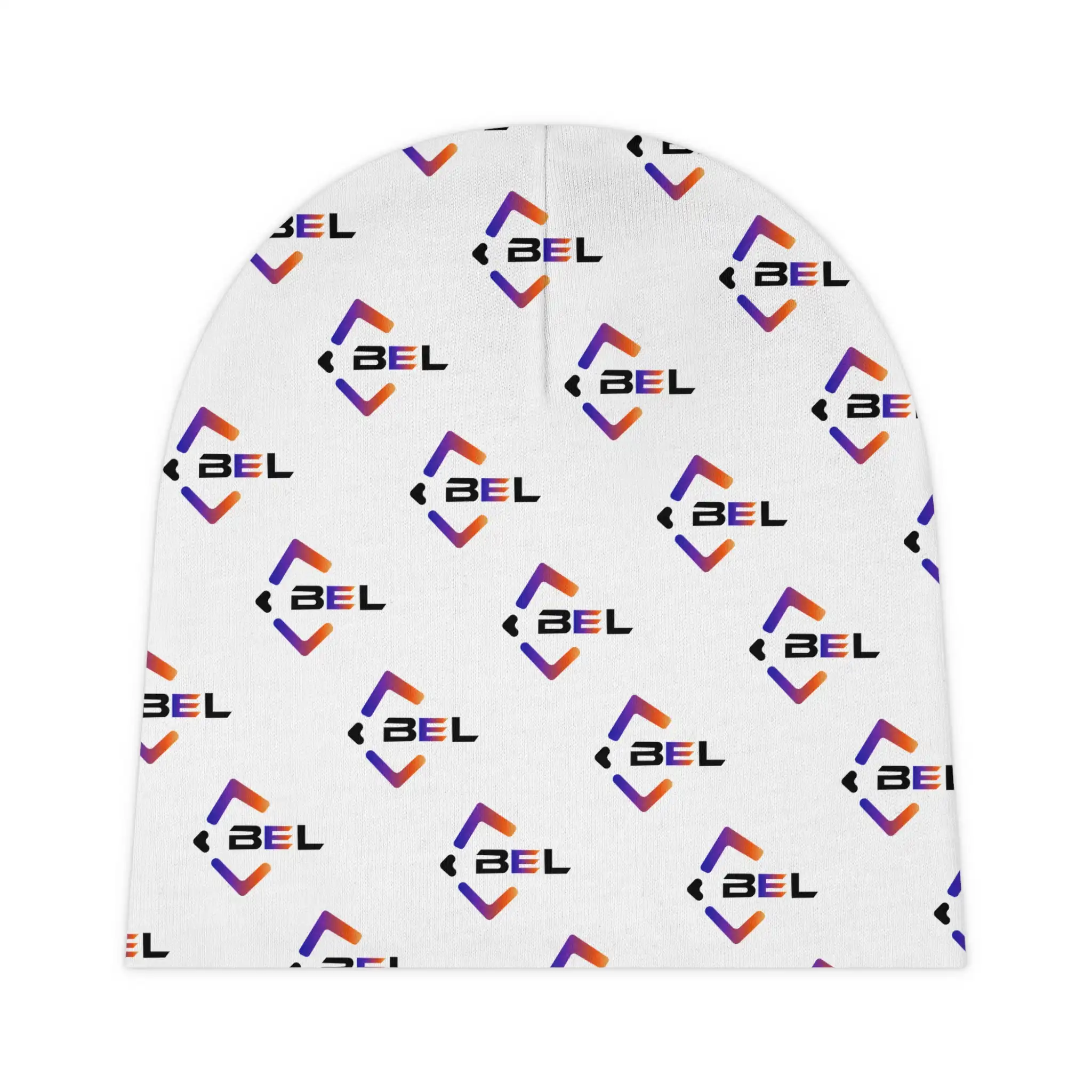
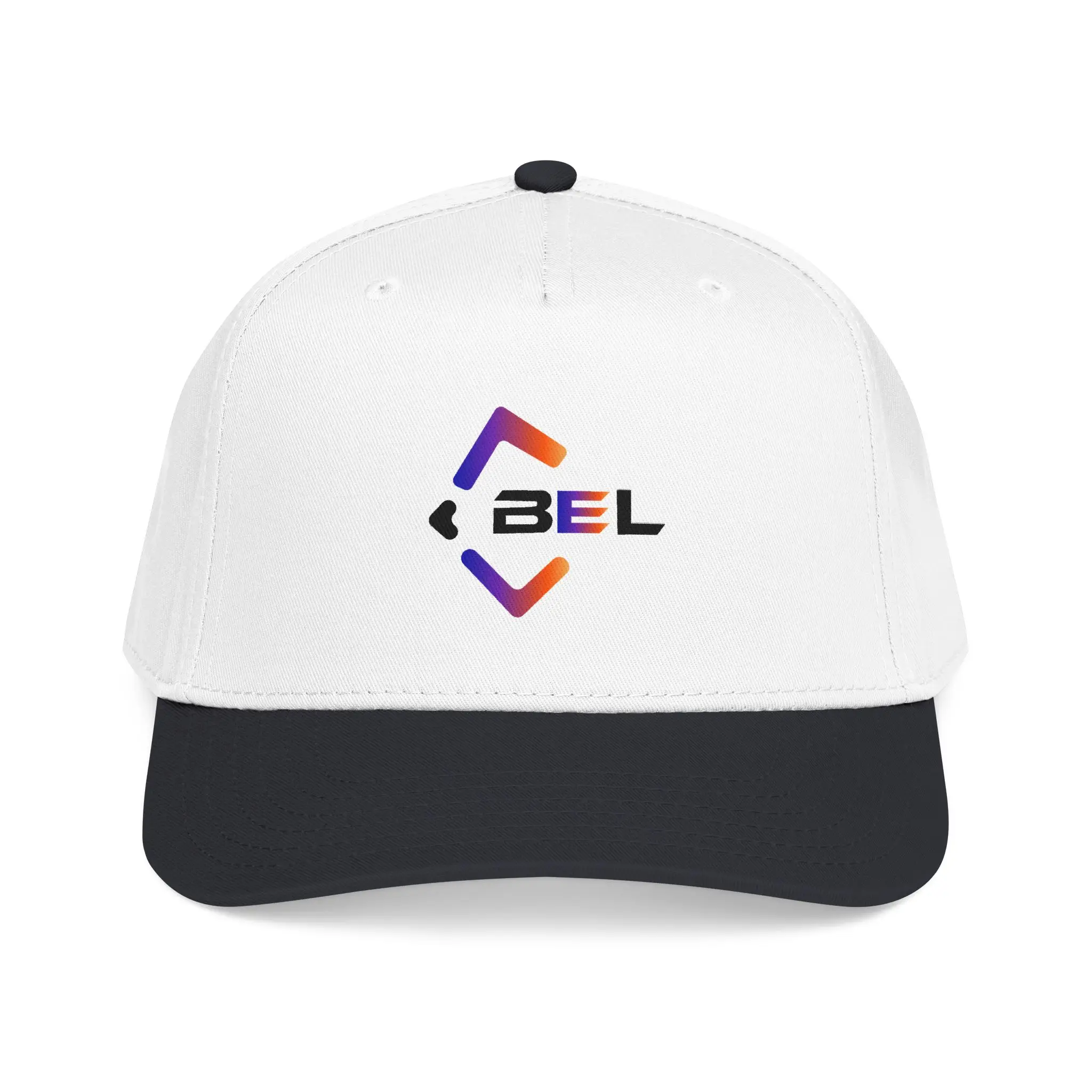
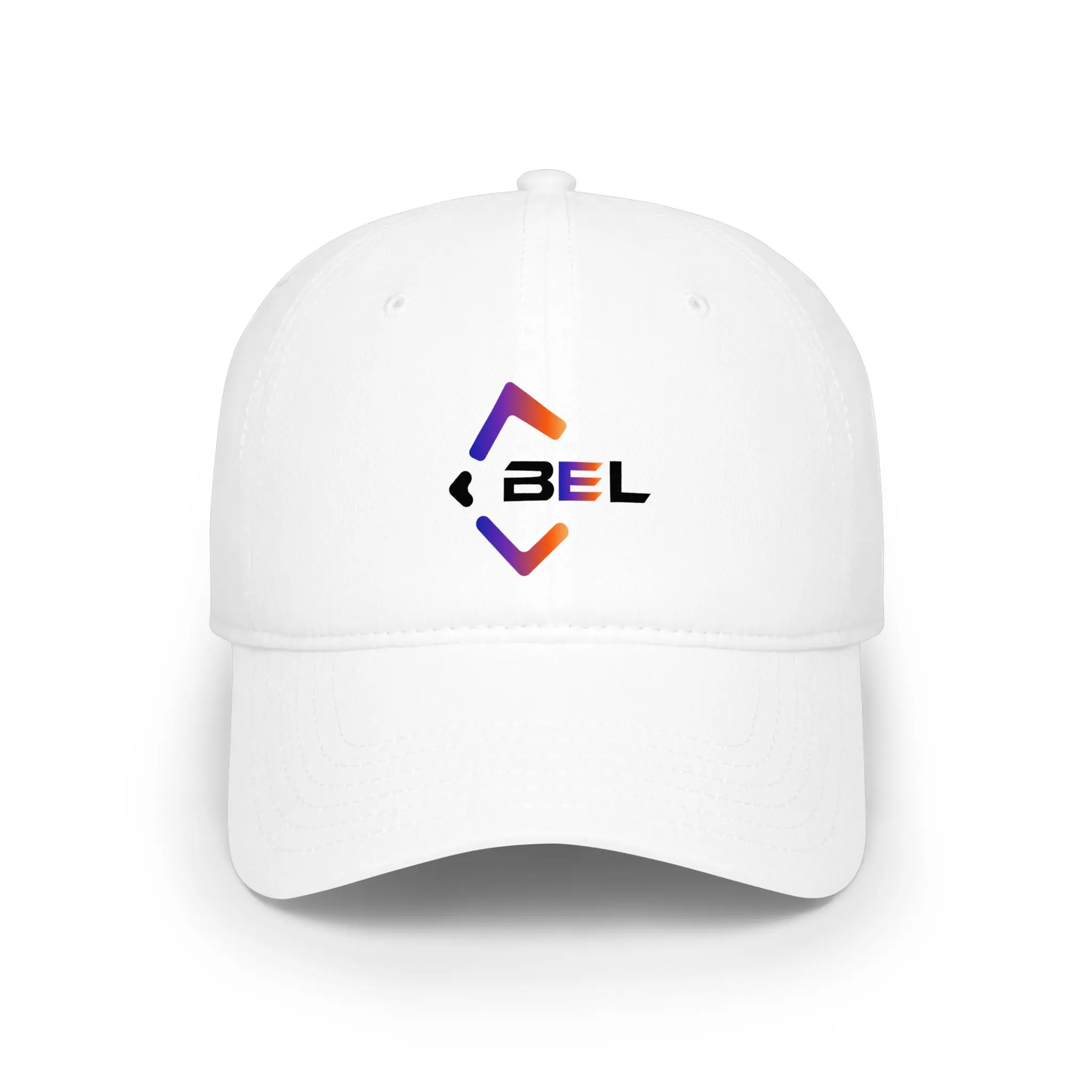
Dad caps and fitted caps range from 25 to 45 dollars. Embroidered detailing adds cost. Flat printing or patches are usually less expensive than full embroidery.
Accessories
Tote bags run 20 to 35. Stickers run 4 to 8. Mugs run 15 to 25. Wall art varies widely depending on size and format.
Shopping Tips
A few practical moves that save money and frustration.
Start With One Piece
Don’t buy five items from a shop you’ve never tried. Order one tee or one hoodie. See how the fabric feels, how the print holds up after a wash, how the fit actually sits on your body. Then commit to more.
Read the Return Policy
Streetwear fit varies across brands. A flexible return policy is worth more than a small discount. Look for at least 14 days and clear instructions for exchanges.
Sign Up for Early Access
Good shops often release drops in limited quantities. Newsletter subscribers usually get first access. If you see a piece you want, it might be gone within a week.
Check Customer Photos
Customer photos in reviews tell you how the garment actually looks on real people, not just on professional models. This is where you learn if the color matches your screen and if the fit runs true.
Making the Call
The best Baltimore clothing store online for streetwear is the one that takes the craft seriously, puts real work into the designs, and has clear ties to the city. Filter accordingly, start small, and build a rotation that actually lasts.