Getting dressed every day shouldn’t feel like a project. Lifestyle clothing is built around that idea. The pieces are made to work in real life, across the situations most people move through in a day, without needing a separate wardrobe for each one.
If your closet feels like it has a lot in it but nothing to wear, the problem usually isn’t quantity. It’s that the pieces don’t work together or they’re not built for the life you’re actually living.
What Lifestyle Clothing Actually Means
Lifestyle clothing isn’t a formal category with strict rules. It’s more of an approach. The clothes are made for movement, for comfort, for situations where you need to look put-together without being dressed up. They tend to be casual without being sloppy, and they tend to work in more than one context.
A good lifestyle piece is something you can wear to run errands, meet a friend for coffee, or sit in on a casual work meeting without feeling out of place in any of those situations. That range is the whole point.
For a lot of people, lifestyle clothing has replaced what used to be called casual wear. The difference is that lifestyle clothing is thought through. There’s an intention to the way the pieces are designed and how they’re meant to be worn together.
The Core Pieces
There are a few categories that show up consistently in lifestyle wardrobes regardless of location, age, or personal style.
Graphic Tees
The graphic tee is the most accessible piece of clothing there is. It works for almost everyone in almost every casual context. For lifestyle clothing, the best graphic tees are the ones that say something real. That could be a city you’re connected to, a culture you’re part of, or a statement that reflects how you actually think.
A tee with local or cultural graphics does double duty. It functions as a basic layering piece while also communicating something about who you are without you having to say it out loud. That’s a lot of work for one piece of clothing.
Hoodies & Sweatshirts
A solid hoodie or crewneck sweatshirt is one of the most-reached-for pieces in a lifestyle wardrobe. It works as a standalone top in cooler weather and as a layer when the temperature drops further. It’s the kind of piece that gets grabbed off the chair because it’s reliable every time.
Graphic sweatshirts, especially ones with cultural or city-based designs, have moved fully into lifestyle clothing territory. They’re no longer just athletic or lounge wear. They show up in everyday contexts because they’re comfortable and they carry visual interest without being loud about it.
Hats
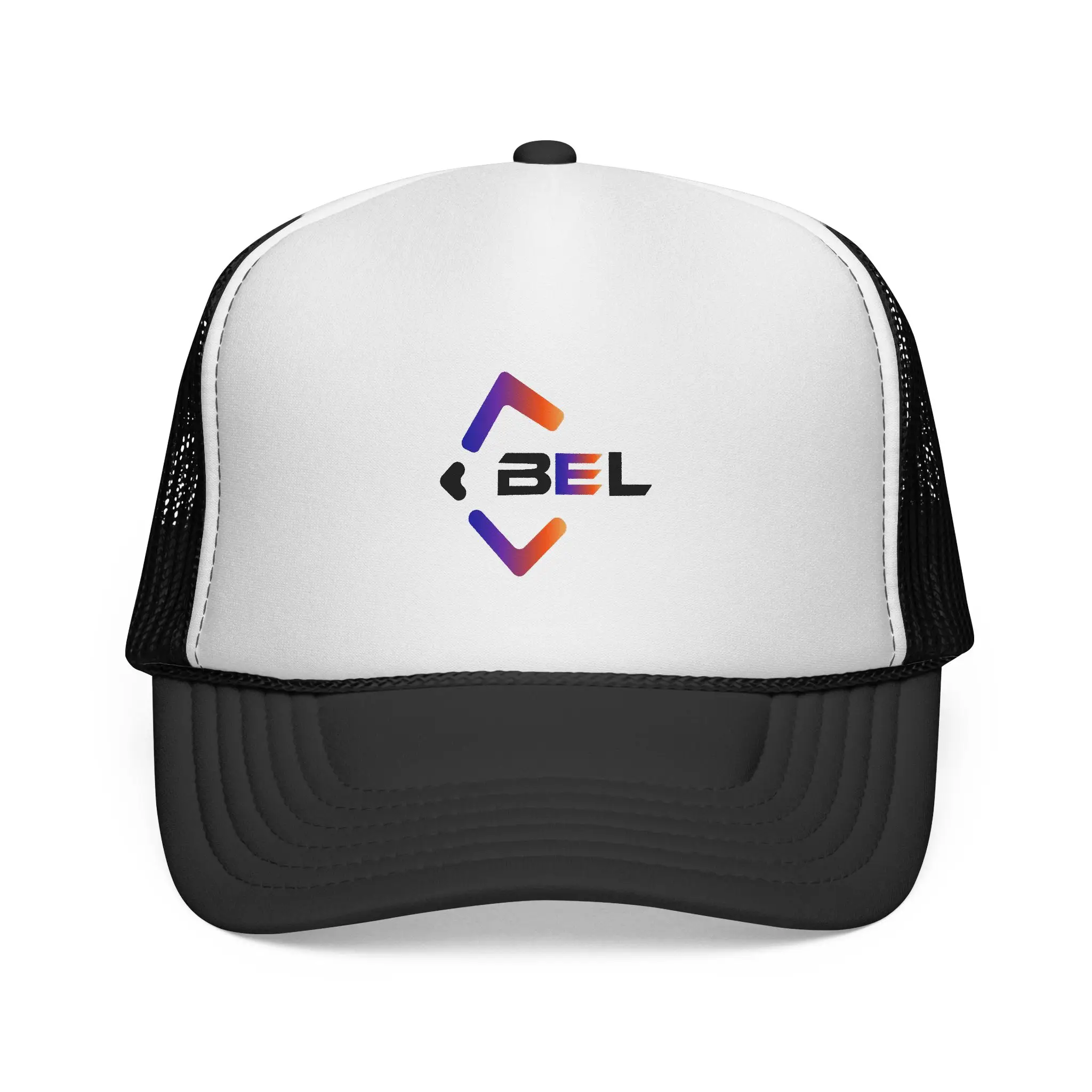
A hat is one of the easiest ways to add something to an outfit that’s otherwise pretty basic. Dad hats, snapbacks, and bucket hats all fit into lifestyle clothing because they’re functional and they communicate style with minimal effort.
City-themed hats work especially well in this category because they give the outfit a point of view. They say something about where you’re from or where you feel at home without requiring any explanation from the person wearing them.
Building a Lifestyle Wardrobe That Actually Works
The goal is to have a small number of pieces you reach for often rather than a large number of pieces that get rotated once a month.
Start with a few tees in neutral colors and one or two with graphics that mean something to you. Add a hoodie or sweatshirt in a color that works with most of your basics. Throw in a hat that ties the look together without competing with the rest of the outfit. From there, the wardrobe builds itself.
How Many Is Enough
People tend to overcomplicate this. A lifestyle wardrobe doesn’t need to be large. It needs to be functional. Five tees, two hoodies, two pairs of pants, and a couple of hats will cover most situations for most people most of the time.
The pieces that get worn most often are the ones worth investing in. That’s a basic truth about clothing that gets forgotten in the middle of sales and seasonal trends.
Lifestyle Clothing & Identity
The best lifestyle clothing does something beyond keeping you comfortable. It reflects who you are without needing a logo on the outside to communicate status or affiliation.
City-rooted and culture-based clothing sits in this space naturally. When you wear something connected to where you’re from or what you’re part of, the clothing carries meaning. It becomes part of how people read you before you say anything.
That’s not a superficial thing. Clothing has always been a form of communication. Lifestyle clothing just makes that communication more accessible by removing the formality and cost barriers that come with fashion-forward dressing.
What to Look for When Shopping
Look for pieces made to last, not just to look good on a hanger. Look for graphics and designs that come from a real place, a real culture or community, rather than ones designed purely to sell a trend.
The clothing that stays in your wardrobe longest is almost always the clothing that meant something when you bought it. That’s true of lifestyle clothing more than any other category because these are the pieces you reach for on your most ordinary days.
The Everyday Test
If you’re not sure whether something qualifies as a lifestyle piece for your wardrobe, run it through the everyday test. Can you wear it to three different places in one day without changing? Does it work with other things you already own? Does it reflect something real about you?
If the answer to all three is yes, it earns a spot in the rotation. Lifestyle clothing works best when the pieces are chosen with that kind of intention behind them.