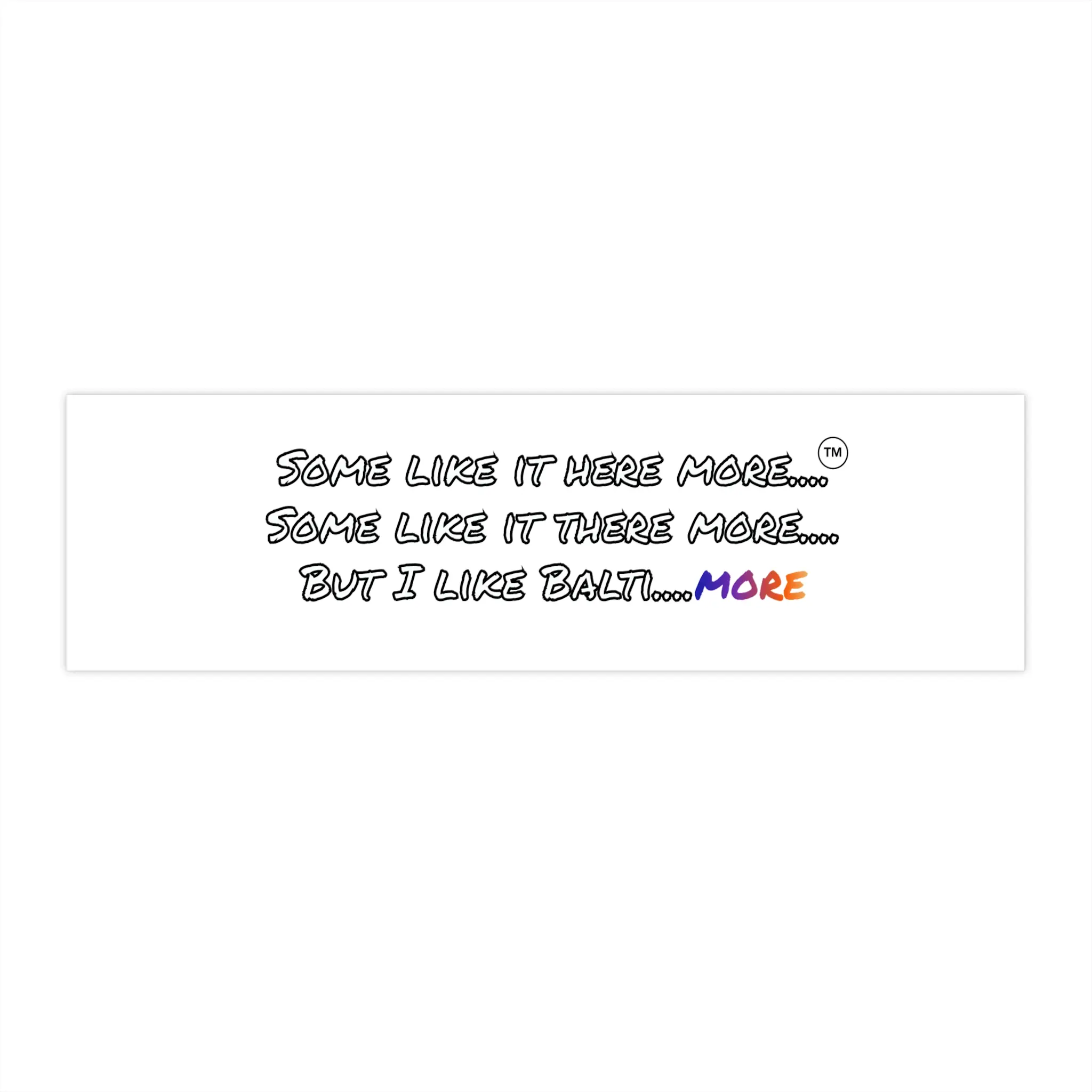
Streetwear is not a product line. It is a cultural system. The clothes are one output of that system, but the roots run into music, geography, language, and lived experience. The brands that succeed in this space are the ones that carry an identity, not just an inventory. Streetwear Culture and identity are the forces that give a streetwear brand its weight and direction.
Identity as a Starting Point
Every streetwear brand starts somewhere, and that somewhere is almost always an identity. Not a business plan. Not a market gap analysis. An identity. It could be tied to a city, a crew, a neighborhood, a movement, or a personal story. That identity becomes the lens through which every decision gets made.
A brand that starts with identity designs differently than a brand that starts with commerce. The designs carry meaning because they come from something real. The founder is not guessing what the customer wants. The founder is the customer. That overlap is what gives streetwear its energy.
Case in point: Stüssy. What began as Shawn Stüssy’s handwritten signature on surfboards in Laguna Beach evolved into a global streetwear icon. The identity wasn’t manufactured in a boardroom; it grew from the surf, punk, and DIY scenes he was already part of. The clothing became the medium, but the message—a blend of surf culture and anti-establishment attitude—came first. That order matters. When the message comes after the product, the product has nothing holding it together.
Geography & Identity
Cities shape streetwear brands in ways that most other industries do not experience. A brand from Baltimore does not look like a brand from Los Angeles, and it should not try to. The neighborhoods, the architecture, the food, the speech patterns, the history: all of that feeds into what a brand creates.
Geography gives a brand its accent. It determines the references that show up in the graphics, the colorways that feel right, and the attitude that comes through in the marketing. A brand tied to a city has access to a built-in audience: the people who live there and share that identity.
This connection to place is one of the strongest assets a streetwear brand can have. It cannot be bought or copied. A brand from New York that tries to co-opt Baltimore culture will get called out. The audience knows the difference between lived experience and borrowed aesthetics.
Cities with strong local identities tend to produce the most compelling streetwear brands. The culture is already there. The brand just needs to channel it into clothing and accessories that feel like extensions of the city itself. That is why geography is not just a detail in streetwear branding. It is a foundation.
How Neighborhoods Influence Design
Within a city, neighborhoods carry their own culture. The way people dress in one part of town might differ from the way they dress in another. A brand that recognizes those differences and incorporates them into its work speaks directly to the people who live those differences.
Neighborhood-level design means including details that only locals understand. Street names, landmarks, slang, inside references. These elements create a layer of meaning that makes the clothes feel personal to the audience. Outsiders might not catch every reference, and that is part of the appeal. The exclusivity of knowing is a feature, not a bug.
Music as a Cultural Backbone
Streetwear and music have been linked since the beginning, and that connection has never weakened. Hip-hop, punk, reggae, electronic music, and more have all influenced how streetwear looks and feels. The connection goes both ways: musicians wear streetwear brands, and streetwear brands reference music in their designs.
Music sets the mood for a brand. A brand that draws from Baltimore club music will have a different energy than one drawing from West Coast hip-hop. That energy shows up in the tempo of the design, the weight of the graphics, and the way the brand communicates with its audience.
This relationship with music also provides a built-in promotional channel. When an artist wears a brand on stage or in a music video, that exposure reaches the right audience without feeling like advertising. It feels like co-sign because that is exactly what it is.
Why the Music Connection Cannot Be Faked
Brands that try to attach themselves to a music scene without actually being part of it get rejected. The audience in both streetwear and music is attuned to authenticity. They know who was there from the start and who showed up after the check cleared.
The brands that earn placement with musicians are the ones that were already in the same spaces. The founder went to the same shows. The brand supported the scene before there was anything to gain from it. That history gives the relationship credibility.
Language & Communication Style
How a brand talks matters as much as what it makes. The language used in product descriptions, social media posts, and marketing materials all contribute to the brand’s identity. In streetwear, that language tends to be direct, culturally aware, and free of corporate polish.
A streetwear brand that talks like a Fortune 500 company creates a disconnect with its audience. The people who buy streetwear are not looking for polished mission statements and strategic messaging. They want to hear from someone who sounds like them.
This does not mean the communication has to be sloppy or unprofessional. It means it has to feel human. Slang, humor, directness: these are tools that streetwear brands use to maintain the casual, community-based feel that separates them from the rest of the market.
Language also extends to product naming. The names of collections, pieces, and colorways all carry meaning. A brand that names a hoodie after a local intersection is doing something different from a brand that names it “Premium Fleece Pullover.” The first approach tells a story. The second approach fills a spreadsheet.
Personal Story & Founder Identity
Many streetwear brands are inseparable from their founders. The founder’s story, background, and perspective are woven into the brand itself. This is different from most industries, where the founder’s personality takes a back seat to the corporate identity.
In streetwear, people want to know who is behind the brand. They want to understand the motivation. A founder who grew up in a particular neighborhood and started the brand as a way to represent that neighborhood has a story that resonates. It gives the brand a face and a reason to exist beyond profit.
Consider Fear of God. Jerry Lorenzo built the brand not on trend forecasts but on his personal perspective—a blend of luxury, grunge, and his upbringing in Los Angeles. His story is inseparable from the brand’s identity. That authenticity attracts a loyal following that buys into his vision, not just the product.
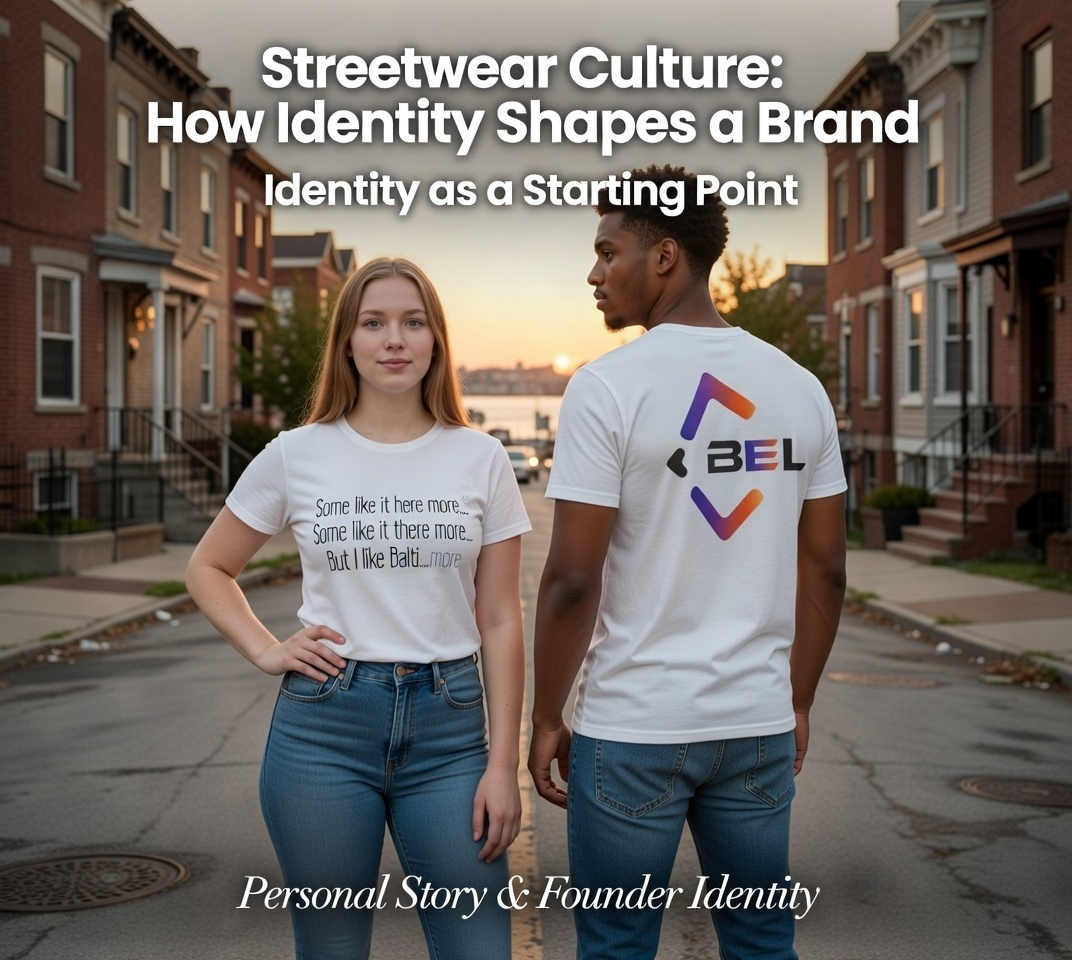
This founder-as-brand model has strengths and risks. The strength is authenticity. The risk is that the brand becomes dependent on one person. The best approach is a founder who builds a team that shares the vision, ensuring the identity of the brand outlasts any individual.
When a founder is visible and accessible, the audience feels closer to the brand. They can put a face to the products. They can follow the founder’s perspective in real time through social media and events. That visibility creates a bond that faceless corporations cannot replicate.
Collaborations & Hype Culture
Collaborations are one of the most powerful tools in streetwear. A well-executed collaboration allows two brands to merge their identities, creating something that resonates with both audiences. It signals cultural capital—the idea that your brand is respected enough to be chosen by another.
The Supreme x Louis Vuitton collaboration in 2017 is a landmark example. It wasn’t just a product drop; it was a collision of street credibility and luxury heritage. For Supreme, it validated its place in fashion history. For Louis Vuitton, it signaled relevance with a younger generation.
The scarcity model—limited drops, one-time releases—amplifies this. It creates urgency and turns a purchase into a statement of belonging. For identity-driven brands, collaborations are not just about sales; they are about reinforcing who you are and who you stand with.
Sustainability & Ethical Production
Modern streetwear culture increasingly demands that identity includes responsibility. The audience that values authenticity also values transparency. Where are the clothes made? What materials are used? Who made them?
Identity-driven brands are uniquely positioned to lead on sustainability. Because they prioritize meaning over volume, they can focus on quality, ethical manufacturing, and durable materials. Fast fashion chases trends; streetwear rooted in identity builds pieces meant to last.
Consumers today are paying attention. A brand that claims to represent a community but exploits labor or harms the environment faces a credibility gap. Sustainability is no longer a bonus—it’s becoming a baseline expectation for authentic streetwear brands.
Why It Matters
Identity is what separates a streetwear brand from a clothing company. Without identity, there is no culture, no community, and no loyalty. The clothes become commodities that compete on price instead of meaning.
For consumers, brands that carry identity offer something that mass-market labels cannot: representation. Wearing a brand that reflects your city, your culture, and your story is not the same as wearing a logo that a marketing team designed to appeal to the broadest possible audience. The difference is felt, even if it is hard to articulate.
For the industry as a whole, identity-driven brands push the culture forward. They introduce new aesthetics, new references, and new ways of thinking about what clothing can communicate. Without them, streetwear would stagnate into a product category rather than continuing as a cultural force.
How Bel LLC Embodies Baltimore Identity
At Bel LLC, identity isn’t theoretical. It starts in Baltimore. The city’s neighborhoods, its music, its language, and its pride are the foundation of everything we create.
When we design a piece, we’re not guessing what someone might want to wear. We’re drawing from the streets we know—the landmarks, the local slang, the energy of Baltimore club music, and the resilience of this city. That’s why you’ll find references in our designs that feel right to locals and intriguing to outsiders.
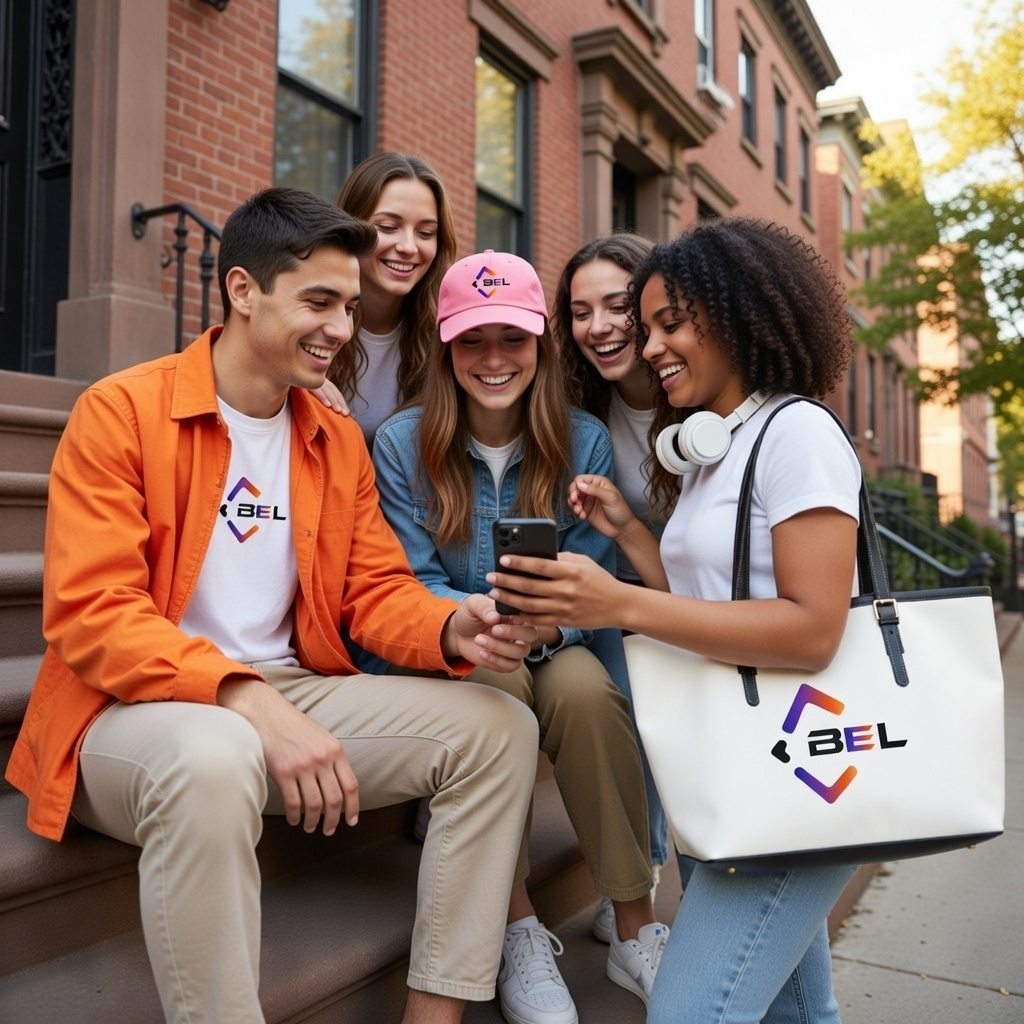
We believe that wearing Baltimore isn’t just about fashion; it’s about representation. Our goal is to create clothing and accessories that feel like an extension of the city itself. From our Baltimore-inspired hats to our locally-loved apparel, every piece carries the identity of where we come from.
This commitment to place is what makes Bel LLC different. We’re not borrowing culture. We’re living it. And we invite you to wear it with pride.
Mistakes & Misconceptions About Identity in Streetwear
One of the biggest mistakes brands make is confusing identity with branding. A logo, a color scheme, and a tagline are branding elements. Identity goes deeper. It is the worldview that informs every decision the brand makes, from who it collaborates with to how it treats its customers. Branding without identity is a shell.
Another misconception is that identity has to be fixed. It does not. People change, and so do brands. The key is that evolution feels natural rather than forced. A brand that started in one neighborhood and expanded its reach can still honor its roots while growing. The mistake comes when growth means abandoning the original identity entirely.
Some brands also fall into the trap of performing identity instead of living it. They use cultural references as props rather than as expressions of genuine connection. This might work in the short term, but audiences in streetwear are perceptive. Performance without substance eventually gets exposed.
There is also a misconception that a strong identity limits a brand’s audience. The opposite is true. A brand with a clear identity attracts people who resonate with it, and that focused audience is more engaged and more loyal than a broad, disinterested one.
Finally, some founders make the mistake of copying another brand’s identity instead of developing their own. Streetwear already has its icons. The world does not need another version of what already exists. The brands that break through are the ones that bring something new to the table, even if that something is specific to their block, their city, or their experience.
Ready to wear your identity? Explore our Baltimore-inspired collection and find pieces that represent where you’re from, what you stand for, and where you’re going.
Shop Now: Bel LLC Baltimore Collection
Streetwear Fashion History: Origins, Influence & Modern Trends (1970s–2026)
Streetwear fashion did not emerge from design studios or fashion weeks. It came from the ground. From skate parks, from block parties, from record shops, and from the energy of people who were building culture without permission from the mainstream. The clothes were never the point on their own. They were the output of communities that had something to say and needed a way to say it visually.
Tracing that origin, following its influence across decades, and seeing where it stands now reveals a story that is still being written. And the people writing it are not sitting in boardrooms. They are on the streets of cities like Baltimore, Los Angeles, New York, and Atlanta—producing work that the rest of the fashion industry eventually follows.
The Origins of Streetwear Fashion
Skateboarding & Surf Culture
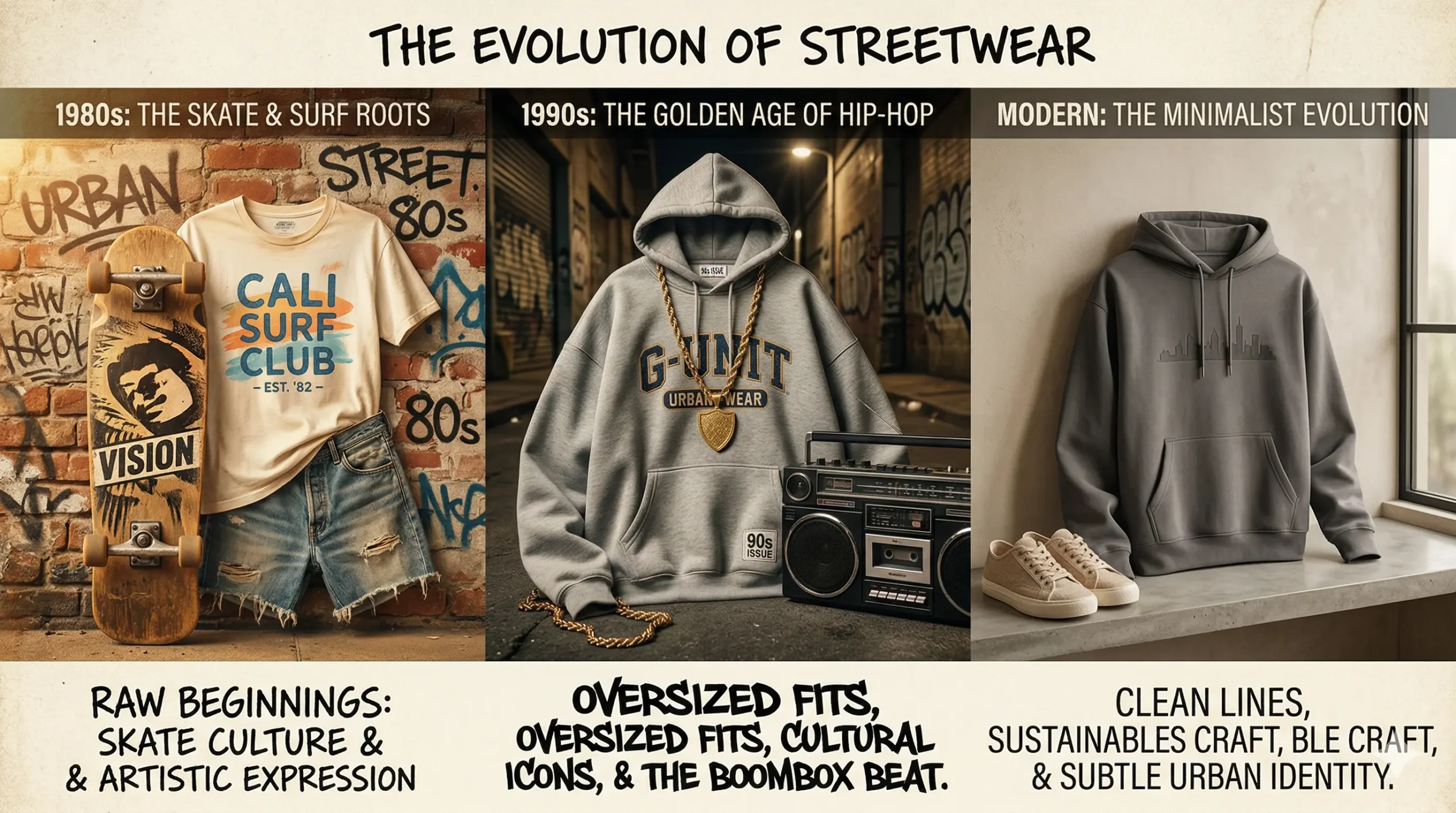
The earliest threads of streetwear fashion run through the skateboarding and surf communities of Southern California in the late 1970s and early 1980s.
Brands like Stussy (founded 1980) started by making gear for surfers and skaters. The clothing was practical: durable, comfortable, and suited to the physical demands of those activities. Fabrics had to survive concrete. Fits had to allow the body to move without restriction. Function came first because the people wearing the clothes were using them hard.
But the clothing also served as identification. Wearing a skate brand told other people that you were part of that world. It communicated commitment and cultural alignment. That function turned practical clothing into something more: a wearable identity.
As skateboarding grew beyond California, the clothing went with it. Skaters in New York, Philadelphia, and other cities adopted the aesthetic and added their own local flavor. The West Coast silhouette mixed with the East Coast attitude, and regional variations started to appear.
Hip-Hop & Its Influence
Hip-hop culture picked up streetwear and ran with it. In the 1980s and 1990s, hip-hop artists became some of the most visible figures in fashion, and they were not wearing what the mainstream offered.
They wore oversized silhouettes, bold logos, and combinations that broke every rule the fashion establishment held. The clothing matched the music: loud, confident, and unapologetic.
Brands like FUBU (1992), Karl Kani (1989), and later Rocawear (1999) built entire businesses on this connection. When an artist wore a particular brand in a video or on stage, that brand gained instant credibility with the audience. The endorsement was not always paid—it was earned through cultural proximity.
This connection between music and fashion remains one of the strongest forces in streetwear and has expanded beyond hip-hop to include punk, electronic, and reggae.
Graffiti & Visual Culture
Graffiti brought a visual language to streetwear that persists to this day. The bold lettering, the color choices, the use of public space as a canvas—all of these elements translated into the graphics and design language of streetwear brands.
Many early streetwear designers were graffiti writers themselves, and they brought their visual instincts from walls to fabrics. The hand-drawn aesthetics, wildstyle lettering, and unapologetic color blocking you see on modern hoodies and tees trace directly back to subway cars and walls of 1980s New York.
Graffiti writers were some of the first people to demonstrate that art did not need a gallery to have impact. That same philosophy drives streetwear brands today.
Key Milestones in Streetwear Fashion History
| Year | Event | Impact |
|---|---|---|
| 1980 | Shawn Stussy begins selling surfboards and printed T-shirts in Laguna Beach | Birth of the first modern streetwear brand |
| 1989 | Union LA opens in New York | First boutique dedicated to streetwear curation |
| 1992 | FUBU (For Us, By Us) launches | Hip-hop streetwear becomes a business empire |
| 1993 | Nigo opens A Bathing Ape (BAPE) in Tokyo | Japanese streetwear goes global |
| 1994 | Supreme opens in downtown NYC | Skate-centric retail becomes cultural hub |
| 1999 | The Hundreds launches in LA | Streetwear expands into media and lifestyle |
| 2005 | Kanye West introduces Bapestas and polos | Hip-hop and streetwear fully merge |
| 2017 | Supreme x Louis Vuitton collection | Luxury fashion officially embraces streetwear |
| 2020–Present | Local, sustainable, and digital-first brands rise | Independent brands lead the next wave |
“For deeper dives into streetwear’s defining moments, the archives of streetwear culture at Highsnobiety offer extensive coverage.”
Pioneers Who Built the Culture
No history of streetwear fashion is complete without recognizing the individuals who built the movement from the ground up.
| Name | Brand / Role | Contribution |
|---|---|---|
| Shawn Stussy | Stussy | Turned surfboard graphics into global streetwear brand |
| James Jebbia | Supreme | Built a retail model based on exclusivity and community |
| Nigo | A Bathing Ape (BAPE) | Defined Japanese streetwear with camo and limited drops |
| Daymond John | FUBU | Built a multimillion-dollar hip-hop fashion empire |
| Eddie Cruz & Bobby Hundreds | The Hundreds | Pioneered streetwear storytelling and digital community |
| April Walker | Walker Wear | One of the first women to lead streetwear manufacturing |
These pioneers established the values that modern brands still operate by: community over commerce, authenticity over trends, and independence over corporate approval.
How Streetwear Influenced Mainstream Fashion
The Luxury Crossover
The most visible sign of streetwear’s influence is the crossover with luxury fashion. High-end brands that once dismissed streetwear now actively pursue collaborations with streetwear designers and draw from streetwear aesthetics in their collections.
The watershed moment came in 2017 when Supreme partnered with Louis Vuitton. The collection generated over $100 million in sales and signaled that luxury had fully embraced street culture. Today, hoodies appear on runways. Sneakers sit alongside dress shoes in luxury boutiques. The separation between high fashion and street fashion has eroded to the point where the distinction barely holds.
Casualization of Fashion
Streetwear played a direct role in the casualization of fashion over the past two decades. The idea that sneakers, hoodies, and t-shirts could be worn in settings that previously required formal attire was pushed by streetwear culture before the mainstream accepted it.
This shift changed workplaces, restaurants, events, and everyday life. The dress code relaxation that many people now take for granted was resisted for years by the fashion establishment. Streetwear consumers ignored that resistance and wore what they wanted.
The Drop Model
The drop model—releasing products in limited quantities on specific dates—was invented by streetwear brands. Before streetwear, fashion operated on a seasonal calendar with collections twice a year.
Streetwear brands rejected that model. They released products when they were ready, in quantities that matched their community’s size, and sold through them quickly. This approach created urgency, built anticipation, and made each release an event.
Today, the drop model is used by brands across every segment of fashion, from luxury to fast fashion.
Modern Trends in Streetwear Fashion
The Return to Local
One of the strongest trends in modern streetwear is a return to local identity. After a decade of globalization and mass-market expansion, consumers are gravitating back toward brands rooted in a specific place.
City-based streetwear brands are benefiting from this shift. People want to wear something that tells a story about where they come from. A brand tied to Baltimore, Detroit, Atlanta, or any city with a strong cultural identity offers something a global brand cannot: specificity.
👕 This is where BELL LLC lives. As a Baltimore-based streetwear brand, we design apparel and accessories that reflect the city’s culture, pride, and energy. Our pieces are made for people who want to wear their identity—not just a logo.
Explore our Baltimore streetwear collection →
Sustainability in Streetwear
Sustainability is entering the streetwear conversation with increasing urgency. Consumers are asking about production methods, material sourcing, and environmental impact.
The streetwear model is naturally more sustainable than fast fashion because of smaller production quantities and longer product life cycles. A hoodie from a brand someone connects with stays in rotation for years. A hoodie from a fast-fashion retailer ends up in a landfill.
Brands are now responding with deadstock fabric usage, transparent supply chains, and recycled materials—turning sustainability from a feature into a core value.
Digital Community Building
Social media has become the primary space for streetwear community building. Brands use platforms to share new releases, tell their story, and engage directly with their audience.
A founder can now respond to a customer in real time, share behind-the-scenes content, and build relationships at scale. But the strongest streetwear brands maintain both digital access and in-person engagement through pop-up events, launch parties, and local activations.
The combination creates a community structure that is both wide and deep—and sustains brands through market shifts.
Mistakes & Misconceptions
| Misconception | Reality |
|---|---|
| Streetwear is new | The culture has been developing for over 40 years |
| Streetwear is just casual clothing with logos | Logos carry meaning—they reference specific cultures, places, and communities |
| Streetwear peaked and is declining | New brands emerge constantly; the culture is expanding |
| Streetwear is anti-fashion | It is a different kind of fashion—with its own rules, audience, and creative process |
| All streetwear brands are the same | A brand from Baltimore carries a different identity than a brand from Tokyo |
Frequently Asked Questions
How do the origins of streetwear still affect modern brands?
The origins established the values that modern brands operate by: community over commerce, authenticity over trends, independence over corporate approval. Brands that align with these values carry the culture forward. Those that ignore them exist in streetwear’s space without participating in its culture.
Why does streetwear fashion continue to influence luxury brands?
Streetwear connects with consumers on a personal level that luxury brands struggle to achieve through traditional methods. The cultural relevance, community engagement, and identity-driven consumption model are things luxury brands want access to.
How do modern streetwear trends differ from earlier eras?
Earlier eras were more insular—clothing stayed within specific subcultures. Modern streetwear is more accessible because of the internet and social media, but the core values remain. The difference is in reach, not in substance.
What role does the internet play in streetwear fashion?
The internet gave streetwear brands a way to reach audiences beyond their local communities. But it is a tool, not a replacement, for the in-person community that streetwear depends on.
How can I follow streetwear trends without losing personal style?
Follow brands and communities that resonate with you, not the ones generating the most noise. Build a wardrobe around pieces that reflect who you are rather than what is popular in the moment.
How Culture & Identity Work Together in Streetwear
Culture provides the context. Identity is how a brand operates within that context. A brand rooted in Baltimore culture draws from the city’s history, music, and people to build its identity. That identity then guides design choices, language, partnerships, and every other aspect of the brand. The two are inseparable in streetwear. Culture feeds identity, and identity contributes back to culture.
Why Some Streetwear Brands Lose Their Identity Over Time
Growth is the most common cause. As a brand scales and enters new markets, the pressure to appeal to wider audiences increases. Decisions that once served the community start serving shareholders. The design language shifts to accommodate mass taste. The voice becomes polished and safe. Over time, the identity that built the brand erodes. Staying rooted takes deliberate effort, especially during periods of growth.
How a Streetwear Brand Can Build Identity from Scratch
It starts with honesty. A founder needs to be clear about what they care about, where they come from, and what they want their brand to say. That clarity becomes the foundation for every decision. From there, it is about consistency. Showing up in the same way over time builds recognition and trust. Identity is not built overnight. It is built through repeated action that aligns with a clear point of view.
Why City-Based Streetwear Brands Connect with Consumers
City-based brands offer something that national and global brands cannot: specificity. When a brand is tied to a city, it carries references and meanings that resonate on a personal level with people from that place. That connection turns a purchase into an act of pride and belonging. People do not just buy the product. They buy into the identity that comes with it.
What Is the Difference Between Streetwear and Hypebeast Culture?
Streetwear is rooted in cultural identity—music, geography, community. Hypebeast culture focuses more on scarcity, resale value, and following trends for status. The two overlap, but streetwear’s foundation is identity; hype culture is often driven by what’s momentarily popular.
How Do Collaborations Impact a Streetwear Brand’s Identity?
Collaborations, when done authentically, reinforce a brand’s identity by aligning it with like-minded creators or respected institutions. A collaboration that feels organic expands the brand’s story. A forced collaboration can dilute identity and confuse the audience.
Key Takeaways
- Identity comes first. Streetwear brands succeed when they start with a real story, not a business plan.
- Geography matters. City and neighborhood ties give a brand authenticity that can’t be copied.
- Music is foundational. Real connections to music scenes build credibility that advertising can’t buy.
- Founder stories resonate. People connect with the person behind the brand.
- Collaborations amplify identity. Strategic partnerships reinforce cultural standing.
- Sustainability is now essential. Modern audiences expect ethical practices from authentic brands.
- Bel LLC is built on Baltimore. Our identity is rooted in the city’s neighborhoods, music, and pride.
Continue Reading
Want to go deeper into how Baltimore shapes streetwear?
- How Baltimore Influences Modern Streetwear Design
- Why Wearing Baltimore with Pride Is More Than Just a Trend
- Graphic Streetwear: The Power of Visual Identity
- Global streetwear authority Highsnobiety
Conclusion
Streetwear fashion has a history that stretches back over 40 years and an influence that reaches across the globe. From its origins in skateboarding, hip-hop, and graffiti to its current position as a force in mainstream fashion, the culture has grown without losing its core values.
The modern trends point toward a future that is local, sustainable, and community-driven. That future is being built by the brands and consumers who treat streetwear not as a trend but as a way of life.
Helpful Links
- Baltimore Streetwear Collection
- Shop All Products
- BELL LLC Blog
- What Defines a Modern Streetwear Brand
- Streetwear Apparel: More Than Just Clothing
At BELL LLC, we’re proud to be part of that story—creating apparel and accessories that honor the culture while representing the city we call home.
Ready to wear your identity?
🛍️ Shop Baltimore streetwear
📖 Read more on our blog
📍 Explore our Baltimore collection
📌 About the Author
This article was written by the team at BELL LLC—a Baltimore-based streetwear brand dedicated to quality, authenticity, and local culture.