Baltimore style has been quietly building its own lane for years, and 2026 is the year it stops being a local secret. Baltimore-themed apparel is showing up in more feeds, more shops, and more closets outside the city than ever before. The pieces are less about logos and more about mood, memory, and the specific visual language that belongs to Charm City.
Here’s what’s shaping the year in Baltimore apparel and what to pay attention to if you want to dress with the city in mind.
The Shift From Souvenir to Statement
For a long time, anything with Baltimore on it was treated as souvenir merchandise. Tourist shops sold it. Locals rolled their eyes at it. That’s changing.
Why the Old Look Is Fading
The block-letter Baltimore tee with a crab graphic had its run. It told people you visited the city. It didn’t say you belonged to it. The new wave of apparel is built for people who live the culture, not people passing through for a weekend at the Inner Harbor.
You can feel the shift in the details. The typography is more considered. The color palettes are pulled from specific neighborhoods, specific seasons, specific moments. A sunset over Federal Hill. The brick tone of a Fells Point row house. The faded green of a Druid Hill park bench.
What’s Replacing It
Designers are treating Baltimore as source material, not a slogan. That means illustrations of specific streets, typography that echoes local signage, color stories that feel like the city at a particular hour, and references that only land if you’ve actually been there.
The result is apparel that reads as style first and city pride second. You wear it because it looks good. The Baltimore part is what makes it yours.
Fabric & Fit Trends Worth Watching
The way people want clothes to fit is shifting, and city apparel is following the same path as broader streetwear and lifestyle fashion.
Heavier Weights Are Back
Light tees still have their place, but 2026 is leaning into 6 to 8 ounce cotton. Heavier shirts hold their shape, feel substantial on the body, and photograph better. They also last longer, which matters when the design is something you want to wear for years.
Garment-dyed heavyweights are especially popular. The faded, lived-in color that comes from dyeing after the garment is constructed gives the piece a broken-in feel from day one.
Relaxed Shoulders & Boxier Cuts
The slim-fit era is effectively over. Shoulders are dropping, torsos are widening slightly, and hems are landing longer. This is a silhouette that works across body types and pairs cleanly with the wider pants that are also back in rotation.
Hoodies & Crewnecks Over Zip-Ups
For outerwear layering, pullover hoodies and crewneck sweatshirts are the preferred silhouette. They’re the canvas that most Baltimore-themed designs live on, and the cut flatters the heavier weights that dominate the season.
Color Palettes That Define the Year
Color is doing a lot of the work in 2026 apparel. The pieces that stand out are using tones pulled directly from the city instead of chasing generic streetwear neutrals.
Brick, Rust, & Copper
These colors reference the architectural history of Baltimore. Row houses, brick alleys, and old industrial buildings all feed into this palette. It’s warm, grounded, and distinctly urban without feeling like every other city.
Harbor Blue & Slate
The water is part of Baltimore’s identity. Designers are pulling deep blues, muted teals, and slate grays that read as maritime without being nautical. These tones work well on heavyweight cotton and give the pieces a serious, considered feel.
Off-White & Cream
Neutrals are not going anywhere. Cream, bone, and soft off-white are dominating base layers because they photograph well, pair with anything, and let the graphics carry the design.
Graphics Trends in Baltimore Apparel
The graphics on city apparel have evolved past logos and slogans. Here’s what’s showing up on shirts, hoodies, and accessories this year.
Minimal Linework Illustrations
Simple line drawings of Baltimore landmarks, row houses, or harbor views are having a moment. The style is quiet, refined, and works across age groups. It’s the opposite of the loud graphic tee era.
Vintage Typography
Typography pulled from old Baltimore signage, baseball history, and mid-century printing is showing up everywhere. The letters feel archival, which gives the pieces a timeless quality even when the reference is contemporary.
Neighborhood-Specific Designs
Instead of one Baltimore tee that tries to represent the whole city, designers are making pieces tied to specific neighborhoods. Hampden. Federal Hill. Canton. Mount Vernon. Each one gets its own visual treatment. The specificity is what makes the apparel feel real.
Beyond Tees: What Else Is Trending
Baltimore-themed apparel is expanding past the t-shirt.
Caps & Dad Hats
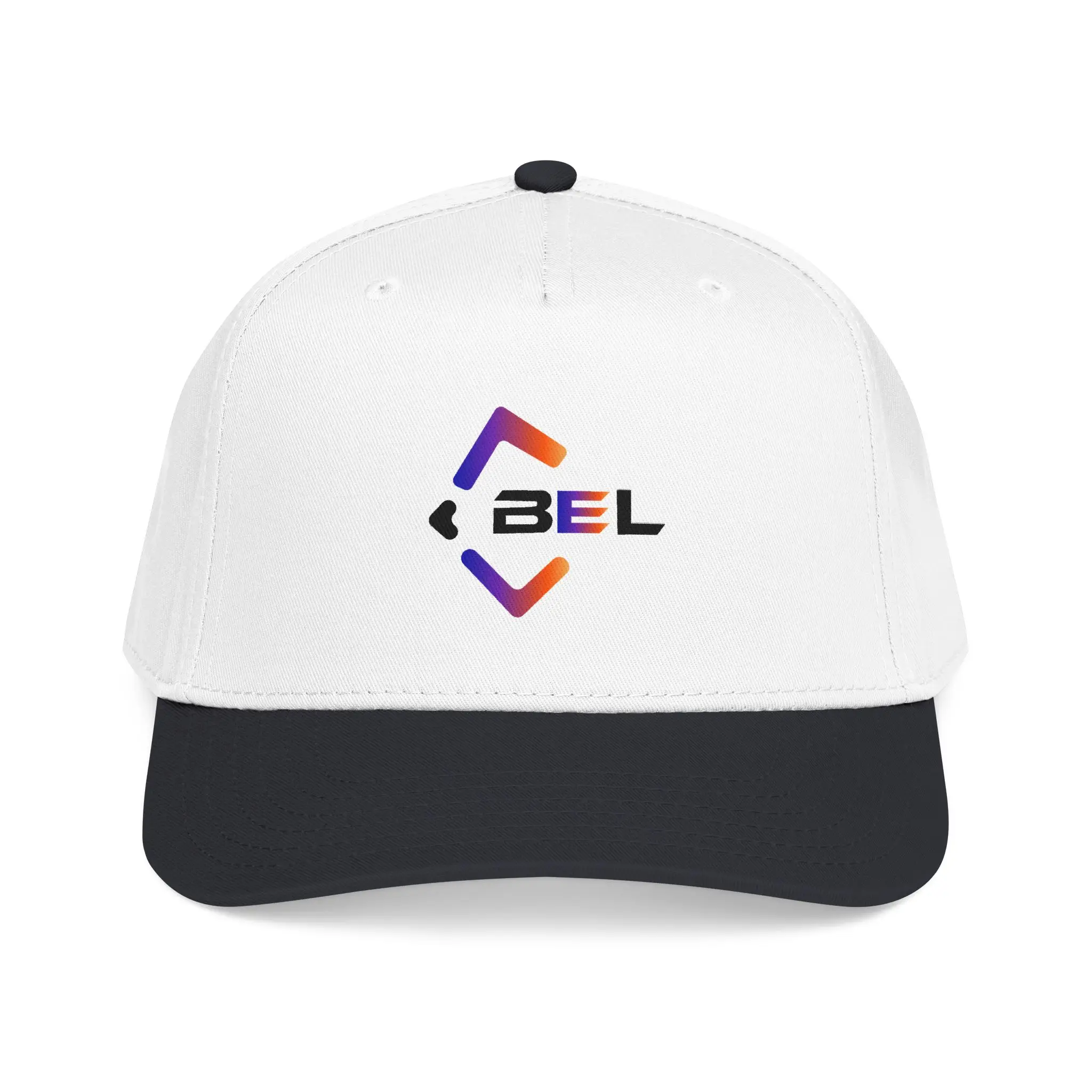
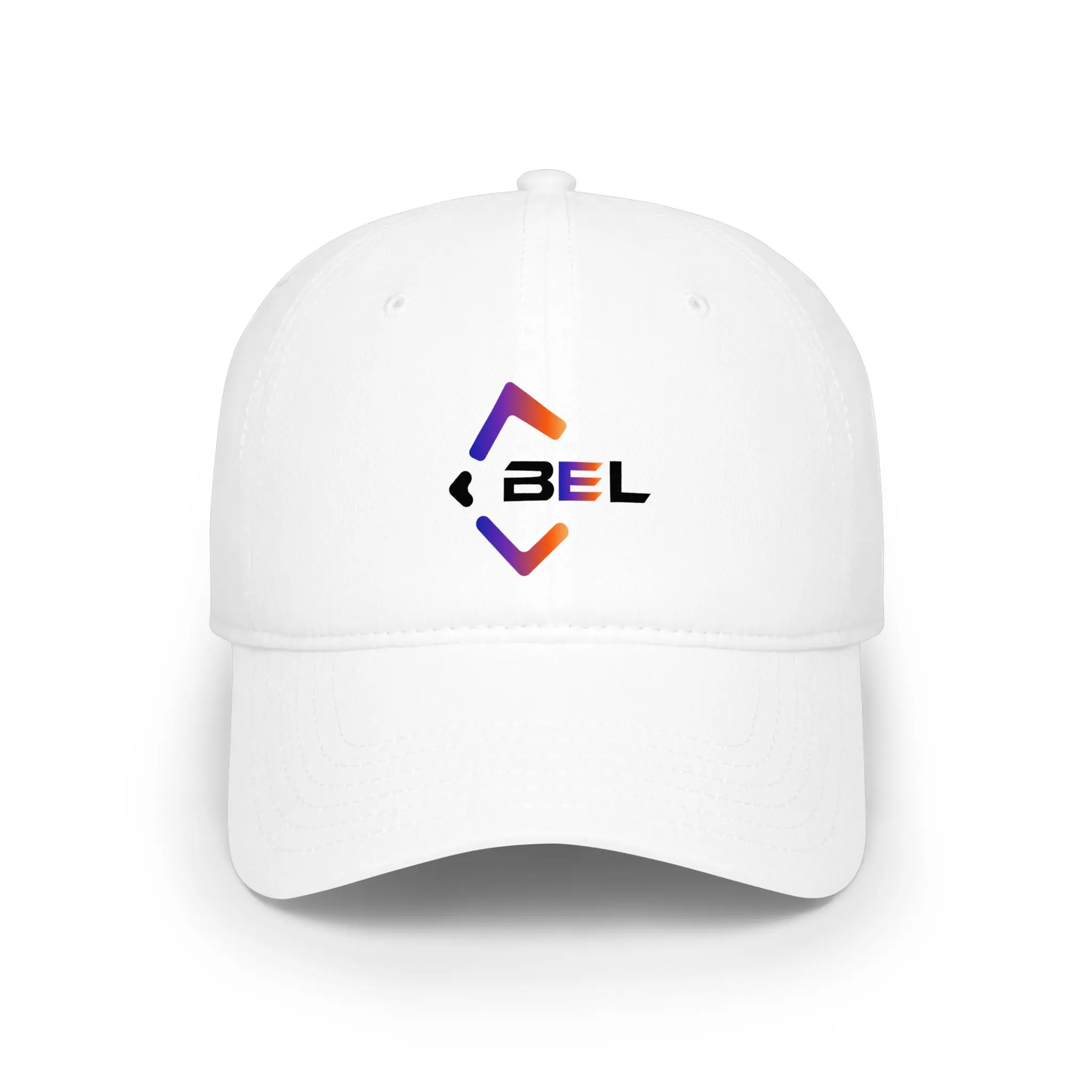
Low-profile dad caps with small embroidered Baltimore references are among the strongest-selling pieces of the year. They work for people who want city pride without wearing a full graphic on their chest.
Tote Bags as Daily Carry
Totes have moved from giveaway item to intentional accessory. A well-designed Baltimore tote carries the same weight as a tee and often gets seen more often because it’s visible every time you run errands.
Wall Art & Lifestyle Pieces
The culture is bleeding into home goods. Prints, posters, and framed wall art featuring Baltimore imagery are part of the same visual world as the apparel. People who buy the tees are buying the wall art too.
What to Buy Now
If you’re building a Baltimore-themed wardrobe for 2026, start with a heavyweight tee in a neutral base, one hoodie in a grounded color like rust or slate, a dad cap with subtle detailing, and a tote that carries the same design language. That’s a foundation that works across seasons and pairs cleanly with almost any existing wardrobe.
The year ahead belongs to apparel that treats Baltimore as a source of design, not a logo. Shop accordingly.