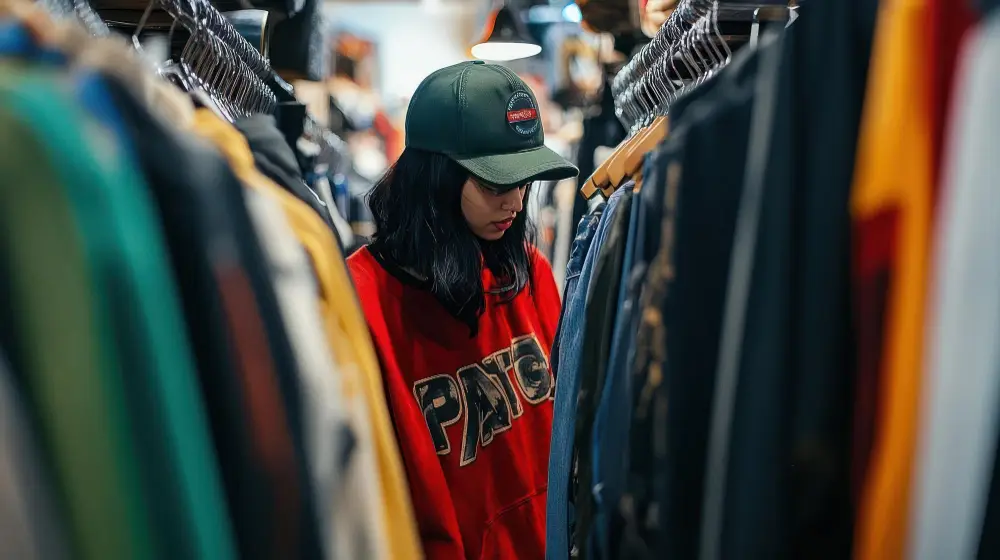
Independent streetwear brands are having their biggest moment in years. Walk through any city, scroll through any feed, or check what people are actually wearing day to day, and the pattern is clear. The big legacy labels are losing ground. The independents are picking it up. It’s not a small shift, and it’s not slowing down. Something fundamental has changed about how streetwear gets made, sold, and worn, and the independents are the ones benefiting from it.
Here’s what’s driving the growth, what it looks like on the ground, and where it’s headed.
The Big Labels Have Run Out of Ideas
For two decades, a small group of legacy streetwear brands set the agenda. They controlled the drops, the silhouettes, the collaborations, and the conversation. People lined up for hours, paid resale prices, and built their wardrobes around what those brands released. That model is breaking down.
Predictable Drops Stopped Working
The big labels have been recycling the same playbook. Logo tee. Box logo. Limited collab. Repeat. After a while, the formula stopped feeling exciting. The drops still sell, but the cultural energy has moved elsewhere.
When customers can predict exactly what a brand is going to release six months out, the brand stops being a creative force. It becomes a product line. Independent labels are filling that gap by releasing work that doesn’t follow a corporate calendar.
Quality Hasn’t Kept Pace With Price
Legacy streetwear pricing has climbed steadily while the actual product quality has plateaued or dropped. A hoodie that costs 200 dollars used to feel like a special object. Now it often feels like a 60 dollar hoodie with a tag on it. Customers noticed.
Independent brands frequently put more cotton, more print quality, and more design work into pieces that cost half as much. The math has stopped favoring the big names.
Independents Are Closer to the Culture
Streetwear started as a street-level phenomenon. It was made by people who were part of the scenes they designed for. Skaters made skate brands. Graffiti writers made graffiti brands. Musicians made music-tied brands. Over time, the big labels lost that proximity. The founders left, the boards got involved, and the brands became products built for an idea of streetwear rather than coming from inside it.
Founder-Led, Scene-Tied
Independent streetwear brands are usually run by the people who started them. The founder is in the design room, the warehouse, and the DMs. The brand is tied to a specific scene, city, or subculture, and the work reflects that connection.
When the people making the clothes are also the people wearing it in real life, the result is usually more authentic than what comes out of a corporate design team trying to interpret culture from a distance.
Real Community Building
Independent brands grow through community, not advertising. Pop-up events, local collaborations, friends-of-the-brand content, and direct engagement with customers all build loyalty in ways that paid campaigns can’t match. The relationship between an independent brand and its customers feels personal because it usually is.
This is part of why independent streetwear brands keep customers for years. Once someone connects with the brand, they’re not just buying products. They’re supporting something they feel part of.
The Tools Have Leveled the Field
Starting a streetwear brand used to require capital, distribution, and connections. Most aspiring founders couldn’t get past the first hurdle. The tools available now have made it possible to launch with very little upfront investment.
Print-on-Demand Quality Caught Up
Five years ago, print-on-demand fulfillment meant compromised quality and slow shipping. Now, several fulfillment partners produce work that rivals traditional screen printing on heavyweight cotton. Founders can launch a brand without holding inventory, without buying minimums, and without the financial risk that used to kill most new labels.
Direct-to-Consumer Platforms Are Mature
Online shop platforms, payment processors, and shipping integrations have all improved. A solo founder can build a fully functioning storefront in a weekend, accept orders from anywhere, and fulfill them without ever touching a box. The barriers that used to favor established brands have mostly disappeared.
Social Media Built the Audience Pipeline
A new independent brand doesn’t need a marketing budget to find customers. A few well-photographed pieces, consistent posting, and engagement with the right communities is enough to build an audience. Some independent labels have gone from launch to thousands of customers within a year on social media alone.
Customers Are Choosing Smaller On Purpose
The shift isn’t just about supply. The demand side has changed too. Customers are actively choosing independent brands over legacy labels for reasons that go beyond price.
Buying With Values
A lot of streetwear customers, especially younger ones, want to know where their clothes come from, who made the design, and what the brand stands for. Independent brands can answer those questions directly. The legacy labels usually can’t, or won’t.
When a customer buys from an independent brand, they often know the founder’s name, the brand’s story, and what the money is supporting. That context changes the relationship from transaction to connection.
Status Has Moved Away From Logos
For a long time, status in streetwear came from visible logos. Wearing the right box logo signaled membership in a culture. That’s changed. Visible logos now read as overexposed to a lot of streetwear enthusiasts. The new status signal is wearing something most people haven’t seen before, ideally from a brand they recognize as quality.
Independent labels deliver that status without the resale market markup. A well-made piece from an independent brand says more, to the right audience, than a logo tee from a name everyone knows.
Originality Over Hype
The hype cycle that drove streetwear for years is also losing steam. People are tired of paying inflated prices for products they have to chase. The independent scene offers originality without the artificial scarcity. The pieces are good because they’re good, not because the brand engineered a release to feel exclusive.
The Risks Independents Still Face
The growth is real, but the road is not easy. Independent streetwear brands face challenges that the legacy labels solved long ago.
Production at Scale
The same flexibility that lets a brand launch easily can become a problem when demand spikes. Independent labels often struggle to fulfill large orders quickly, leading to long shipping times and frustrated customers. Scaling production without losing quality is the biggest test most independent brands face.
Counterfeits & Copycats
Successful independent designs get copied fast. Bootleg versions show up on print-on-demand sites within weeks, often selling for less than the original. Defending the brand without the legal budget of a major label is difficult.
Burnout & Founder Dependency
Independent brands run by one or two people are vulnerable to founder burnout. When the brand depends entirely on a small team, an extended break, a creative slump, or a life event can stall everything. Building systems that allow the brand to keep moving without the founder doing everything is one of the hardest transitions.
Where the Growth Goes From Here
The independent streetwear space is going to keep expanding. More brands will launch. More customers will choose them. The legacy labels will respond, but they’re playing catch-up at this point, and their advantages are eroding.
The brands that succeed long term will be the ones that combine the energy and authenticity of independent operations with the discipline to scale carefully. The ones that stay close to their communities, keep the quality consistent, and resist the pressure to grow faster than the work allows.
For customers, the takeaway is simple. Independent streetwear brands are putting out better work, at better prices, with more integrity than the legacy labels right now. Supporting them is supporting a scene that’s growing on its own terms. The future of streetwear is being built by names most people haven’t heard of yet, and that’s exactly the point.