Streetwear has grown from sidewalk culture to a force that drives how people dress around the world. But the word gets thrown around loosely now. Every label with a logo on a hoodie calls itself streetwear.
That raises a question worth answering: what actually makes a modern streetwear brand in today’s market?
The answer goes deeper than product type. It sits at the intersection of community, intention, design language, and cultural awareness. For a brand like BEL LLC —rooted in Baltimore’s creative energy—these aren’t just concepts. They’re the foundation of how we design, what we make, and why we show up.
Below, we break down the seven essential traits that separate authentic streetwear brands from clothing lines borrowing the look.
Key Takeaways
Streetwear is defined by culture, community, and consistency—not product categories.
A brand’s location and roots provide authenticity that cannot be faked.
Graphics and design language serve as cultural markers, not decoration.
Loyalty is earned through honesty, time, and a two-way relationship with your audience.
BEL LLC embodies these principles by representing Baltimore with intention and pride.
1. The Origins Still Matter
Streetwear came from skateboarding, hip-hop, graffiti, and punk. Those were not fashion movements. They were subcultures built by people who felt locked out of the mainstream. Clothing became a way to signal belonging. A shirt from a local skate shop said something about who you were, what music you listened to, and which neighborhoods you moved through.
That origin story matters because it sets the foundation for everything a streetwear brand should be. It was never about runway shows or seasonal collections approved by a fashion house. It was about people making things for their own circles.
Today’s streetwear brands still carry that DNA—or at least they should. The ones that resonate most are rooted in a place, a community, or a point of view.
BEL LLC was built on that principle. We’re not a brand that happens to sell Baltimore merch. We’re a Baltimore modern streetwear brand because the city’s culture, language, and energy are embedded in everything we create. When that foundation is missing, the clothes feel hollow. When it’s real, people feel it.
2. Product Alone Does Not Make a Modern Streetwear Brand
A hoodie is a hoodie. A snapback is a snapback. The product category does not determine if something qualifies as streetwear. What determines it is the intention behind the design and the audience it speaks to.
Streetwear brands design with storytelling in mind. A graphic on a t-shirt is not decoration. It is communication. It references something: a neighborhood, a saying, an era, a mood. The wearer puts it on and carries that reference with them.
Consider two brands selling the same product type. One prints a city skyline on a shirt because skylines sell. The other prints a skyline because it is their city, and the design includes details that only locals recognize.
That second brand is operating in streetwear territory.
At BEL LLC, our Baltimore clothing collection doesn’t just feature the city’s name. It reflects the texture of life here—from the row homes to the music, the pride to the perseverance. That’s the difference between a shirt and a statement.
3. Community Is Not a Marketing Term
Every brand now claims to be community-driven. The word has been diluted. But in streetwear, community is not a strategy. It is the structure.
A streetwear brand without a community is a clothing line. That’s not a criticism—clothing lines serve a purpose. But streetwear implies a relationship between the brand and its people. That relationship has to go both ways.
Community in streetwear looks like this: the brand creates, the people respond, the brand listens, and the next creation reflects that exchange. It is not a brand posting content and counting engagement metrics. It is a brand showing up at events, collaborating with local creators, and making decisions that reflect what their audience actually wants.
Brands rooted in a city tend to do this naturally. When you are designing for people you see every day, you cannot fake the connection. global streetwear brands like New Balance have invested in Baltimore’s creative community.
At BEL LLC, we’re not designing from a distance. We’re part of Baltimore—and Baltimore is part of our identity . That shared experience builds the kind of community that no amount of paid advertising can manufacture.
4. Why the Relationship Has to Be Real
People buy streetwear to express identity. That purchase is personal. When a brand betrays that trust by chasing trends or abandoning its roots, the community notices. And they leave.
Streetwear consumers are loyal, but that loyalty is conditional. It requires the brand to stay honest.
This is why so many mainstream labels struggle when they try to enter the streetwear space. They bring corporate decision-making to a culture that was built on independence. Committees approve designs that are meant to appeal to everyone and end up speaking to no one.
For an independent streetwear brand, staying honest means staying local, staying intentional, and never treating your audience as a demographic instead of a community.
5. Design Language & How It Communicates
Every streetwear brand has a design language—even if it hasn’t been consciously defined. Design language includes:
Fonts and typography
Recurring color palettes
Weight and placement of graphics
Silhouettes and materials
Packaging and customer experience
The design language tells the customer what world the brand lives in. A brand using hand-drawn lettering and earth tones communicates something different from one using blocky type and neon. Neither is better—but each attracts a different audience.
Consistency in design language builds recognition over time.
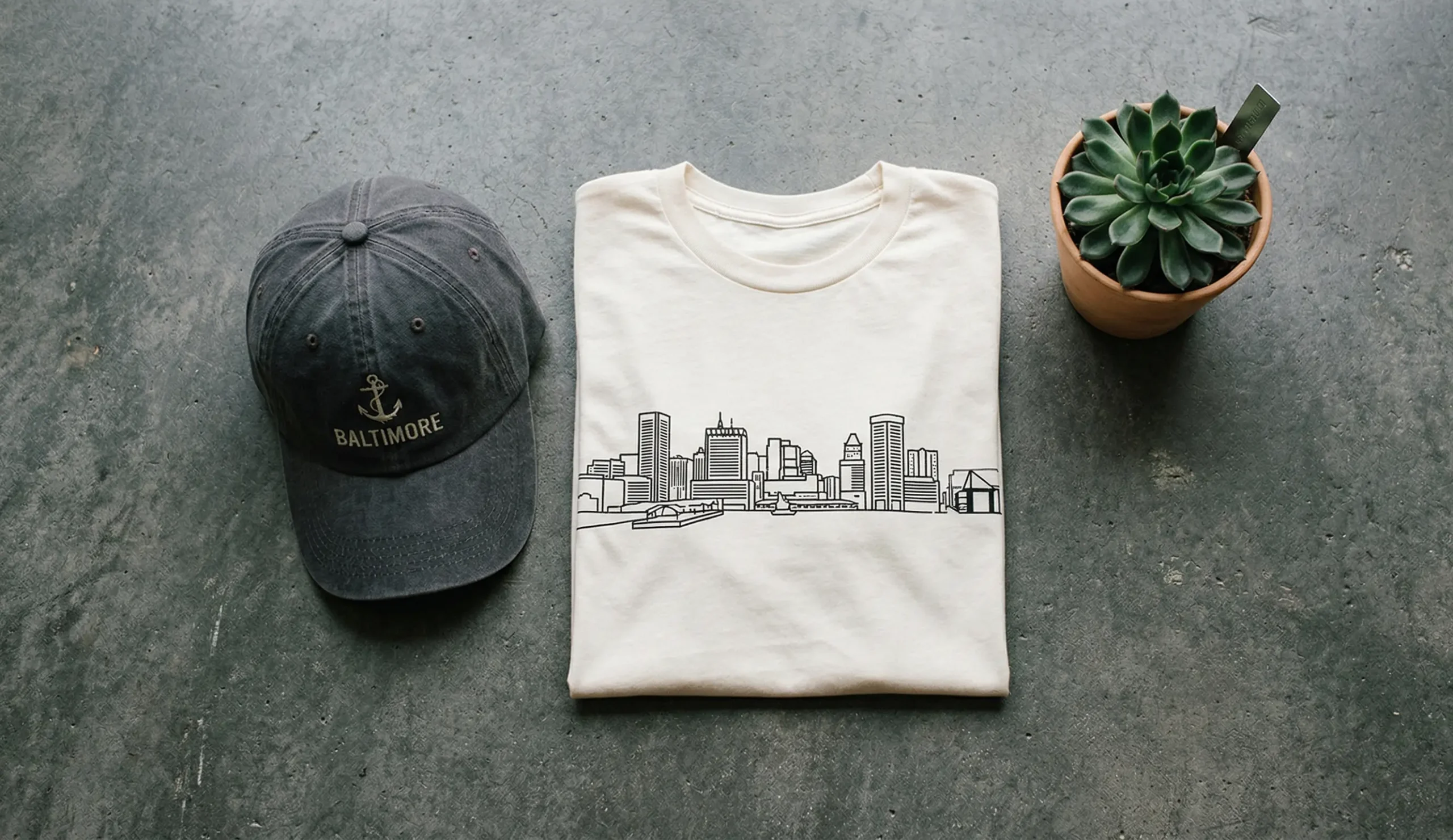
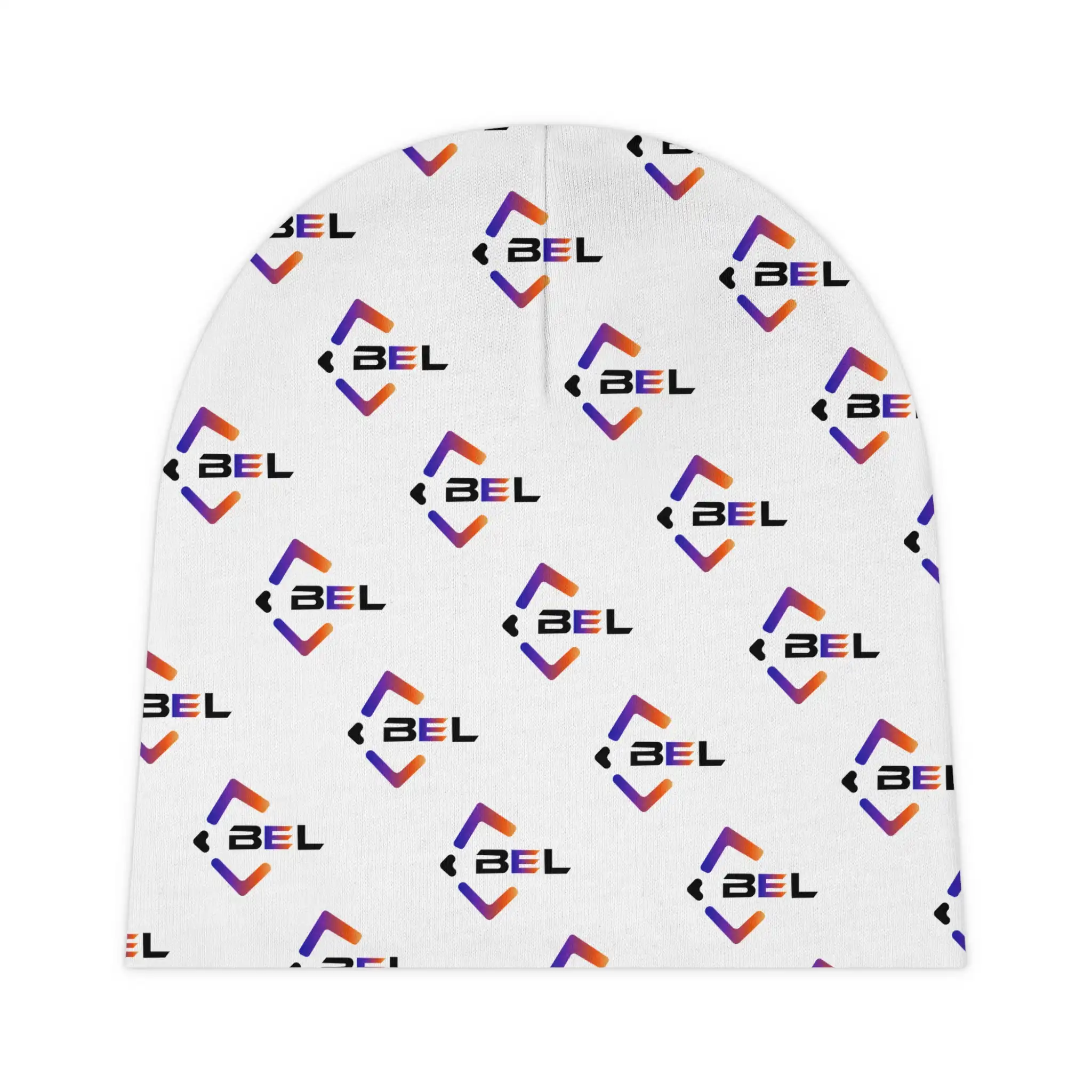
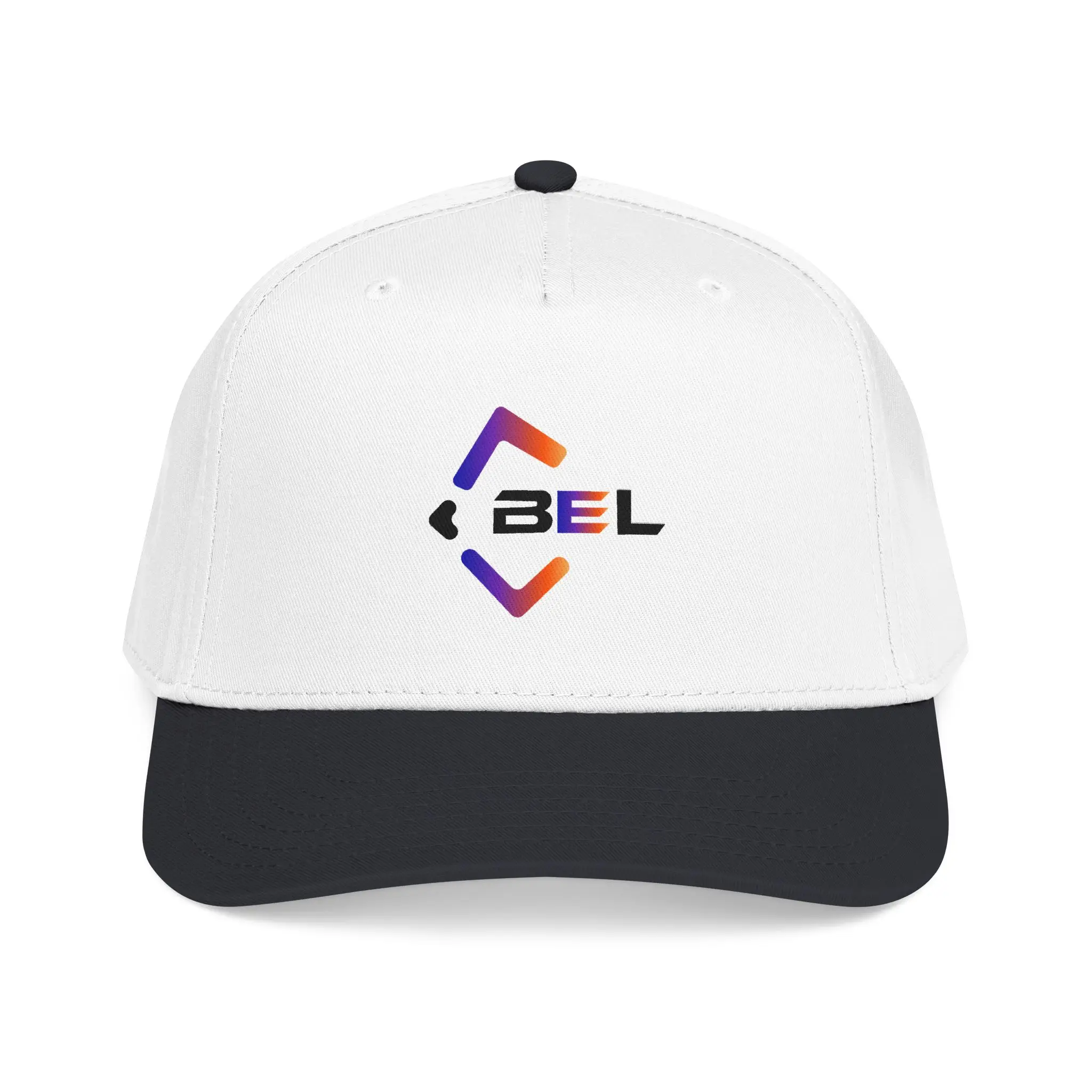
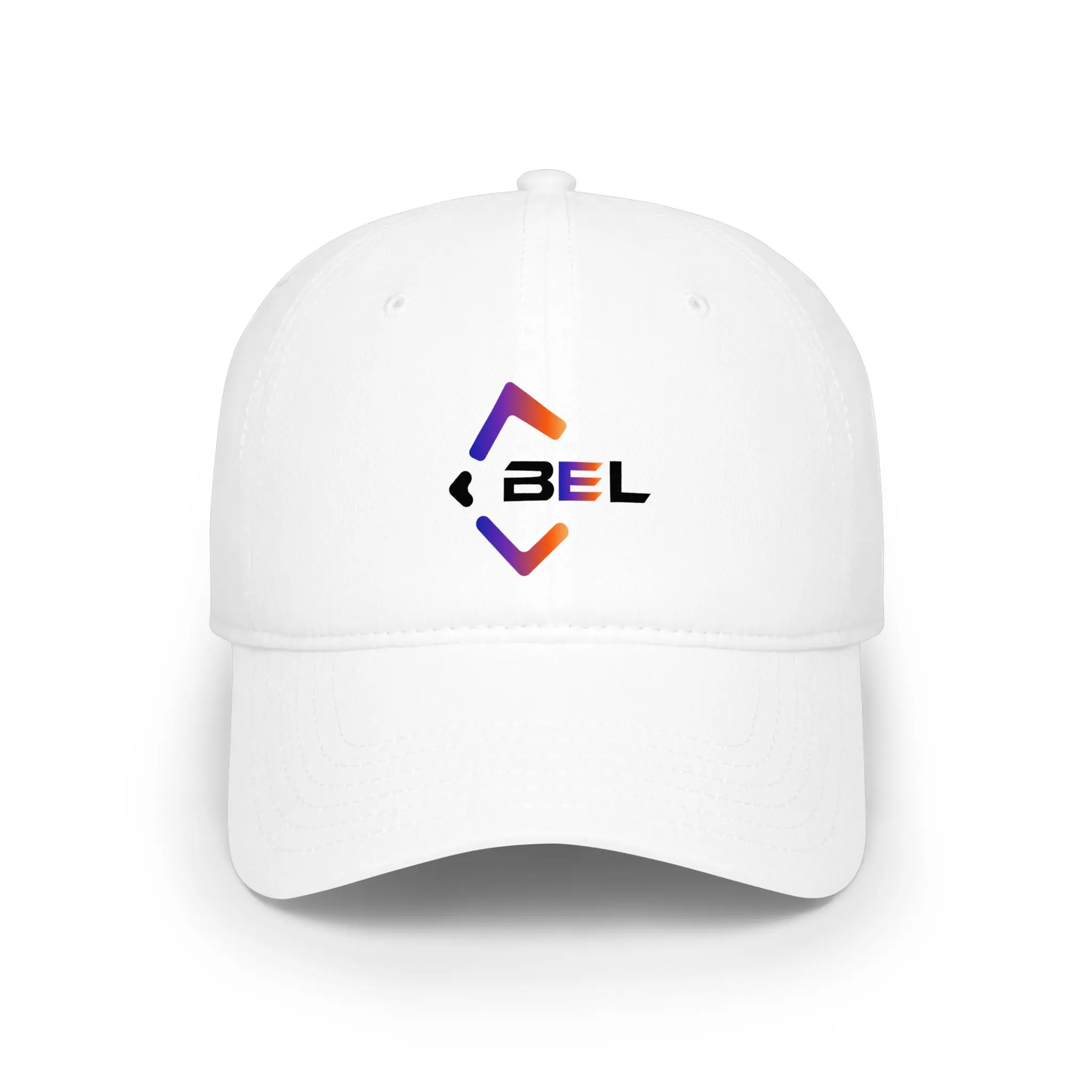
At BEL LLC, our caps collection , t-shirts , and wall art all share a visual thread: clean lines, bold but deliberate graphics, and a color palette that nods to Baltimore’s industrial heritage and creative spirit. You don’t need to see a logo to know who made it.
6. Graphics as Cultural Markers
In streetwear, graphics are not just art. They are cultural markers.
A graphic referencing a Baltimore neighborhood doesn’t just look good on a shirt. It tells people where the wearer comes from. It starts conversations. It builds affinity between strangers who share a connection to the same place.
This is why streetwear graphics are more meaningful than graphics on other types of clothing. They are designed to say something, not just to fill space.
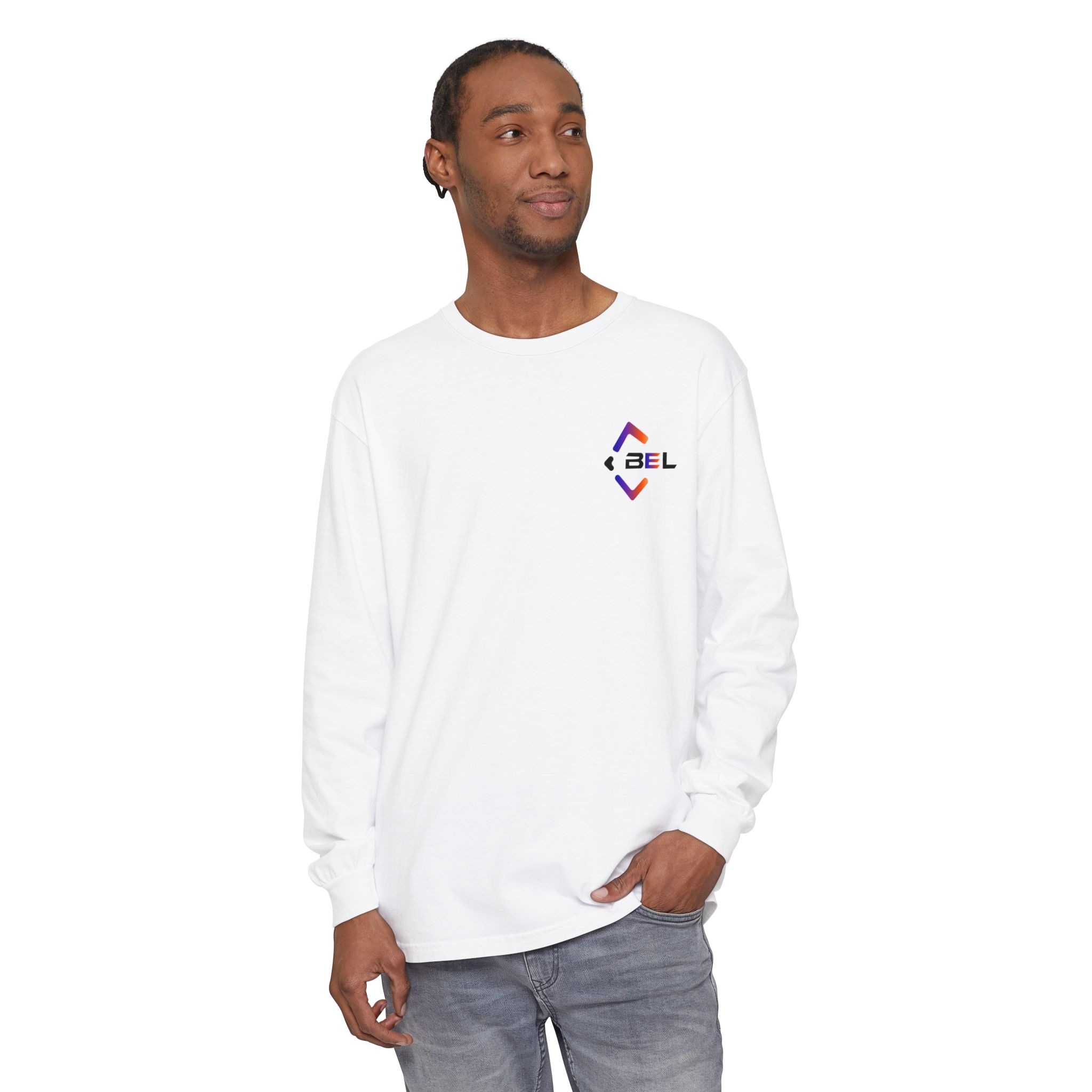
When we design a Baltimore skyline tee or a graphic sweatshirt , we’re not just making apparel. We’re making something that carries meaning for the person who wears it—and for the people who recognize where they’re from.
7. Distribution Shapes Perception
How a brand sells its products says as much as what it sells. Streetwear brands have historically used limited releases, pop-up shops, and direct-to-consumer channels. These are not just business decisions. They are cultural decisions.
Limited runs create urgency and exclusivity that mirror streetwear’s subculture roots.
Direct-to-consumer selling keeps the relationship close, with no third party diluting the message.
Pop-up shops turn a transaction into an event—people show up, meet the team, and leave with an experience.
At BEL LLC, you can shop Baltimore pride gear directly through our site, knowing you’re buying straight from the people who designed it. That direct connection matters. It keeps the story intact and ensures every piece carries the full weight of its meaning.
Why It Matters
The streetwear market is crowded. Thousands of brands launch every year. Most disappear within months. The ones that last are the ones that understand what defines a streetwear brand beyond product. They get that it’s about culture, community, and consistency.
For consumers, knowing what defines a streetwear brand makes shopping more intentional. Instead of buying whatever looks good in the moment, they can support brands that align with their values and represent their identity. That shift rewards substance over surface.
For brands, the takeaway is simple: you cannot shortcut your way to credibility in this space. It has to be earned through work, honesty, and time. A logo on a hoodie is the beginning—not the finish line.
At BEL LLC, we’re building something rooted in Baltimore, shaped by community, and designed to last. Explore our collections and see for yourself.
Mistakes & Misconceptions About Streetwear Brands
One of the most common misconceptions is that streetwear is just casual clothing. It is not. Casual clothing is a product category. Streetwear is a culture that happens to express itself through clothing. Treating the two as interchangeable leads to brands that miss the mark entirely.
Another misconception is that hype equals success. A brand can generate hype through a celebrity endorsement or a viral moment, but that does not mean it has staying power. Hype without foundation collapses as soon as the attention moves elsewhere.
Some brands also make the mistake of trying to appeal to everyone. Streetwear was born from niche communities. Trying to broaden the audience too quickly dilutes the message and alienates the core supporters who built the brand in the first place.
Finally, many emerging brands underestimate the importance of consistency. They release one collection, get some traction, and then shift direction completely for the next release. This confuses the audience and breaks the design language that builds recognition.
Frequently Asked Questions
How a Streetwear Brand Differs from a Fashion Brand?
The line between streetwear and fashion has blurred, but the core difference remains. Fashion brands operate on seasonal cycles dictated by the industry. Streetwear brands operate on their own timeline, releasing when they have something to say. Fashion brands design for runways. Streetwear brands design for the street. The audience, distribution, and cultural references all differ.
What Makes Streetwear Brands Attract Loyalty?
Loyalty comes from alignment between the brand and the consumer’s identity. When people feel like a brand speaks for them, they stay. That loyalty deepens through consistent design, honest communication, and visible ties to a community or place. BEL LLC’s commitment to Baltimore is a big reason our customers keep coming back.
How New Streetwear Brands Build Credibility?
Credibility is built through time and action, not claims. New brands earn trust by being consistent in their design, showing up in their community, and being transparent about who they are. Collaborations with local artists, participation in events, and direct engagement with customers all contribute. There is no shortcut.
Why Location Plays a Role in Modern Streetwear Branding?
Location gives a brand a point of reference that cannot be faked. A brand rooted in a city carries the culture of that city in its design, language, and aesthetic. That specificity is what makes streetwear feel personal. When someone wears a brand tied to their hometown, they are wearing an identity. Location provides that anchor .
How Streetwear Branding Connects to Music and Art?
Music and art have been part of streetwear since the beginning. Hip-hop, punk, and electronic music all influenced streetwear’s look and feel. Artists and musicians often collaborate with streetwear brands because the audiences overlap. This connection keeps streetwear tied to broader culture rather than existing in a fashion bubble.
Conclusion
A streetwear brand is not defined by what it sells. It is defined by what it stands for, who it speaks to, and how it shows up. The brands that last are built on real connections to people and places. They tell stories through their designs, listen to their community, and stay consistent even when trends shift.
Streetwear is a way of life. The brands that understand that become part of the culture—not just products within it.
BEL LLC exists to carry that tradition forward, one design at a time.