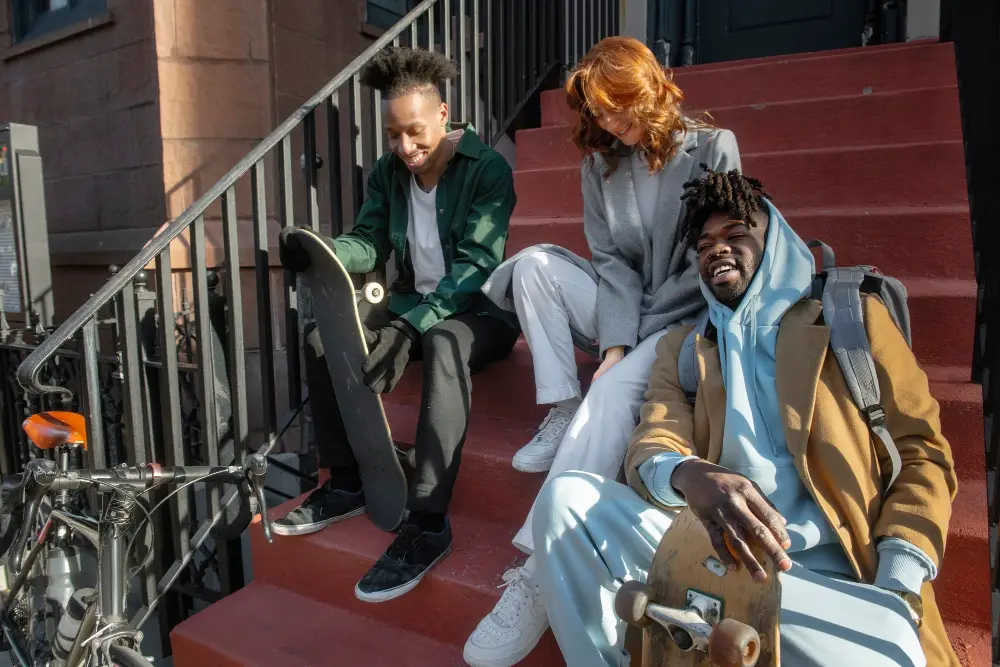
Streetwear keeps shifting, but 2026 has been less about wild reinvention and more about the scene settling into what actually works. The trends taking hold this year feel less like flash and more like the styles people are actually wearing on the street, not just on runways or in lookbooks.
If you’re trying to keep up without buying into every passing fad, here’s what’s actually moving in streetwear right now and what’s worth your attention.
Oversized Fits Are Still Leading
The slim fit era is over. It’s been over for a few years now, but 2026 is the year oversized became the default. Boxy t-shirts with dropped shoulders, hoodies cut wide through the body, pants that sit loose from the thigh down. The silhouette that defined the 2010s is mostly gone from streetwear.
The reason it stuck around is comfort. Once people got used to clothes that didn’t pull tight across the chest or stick to the legs, going back felt restrictive. Oversized fits also handle layering better, which matters for a style that pulls heavily from skate, hip hop, and workwear traditions.
A few notes on doing oversized right. The shoulder seam should sit below the actual shoulder, not at the edge of it. The body of the shirt should hang straight down, not balloon out. The sleeve should reach past the elbow at minimum, ideally to the middle of the forearm.
Pants follow similar rules. The waist sits where it naturally falls, the legs hang loose without being baggy, and the hem stacks slightly on top of the shoe.
Workwear Influence Is Everywhere
Workwear has been creeping into streetwear for a few years, but in 2026 it’s fully arrived. Carhartt-style chore coats, painter pants, work boots, heavy canvas jackets, all of it has moved from utility into the center of street style.
The appeal is durability. Workwear is built to take abuse, which means it ages well. A chore jacket from 2026 will still look right in 2030, while trend-heavy pieces from this year might already feel dated.
The colors that go with workwear tone the rest of the outfit. Brown, tan, olive, faded blue, washed black. These are the shades dominating racks right now. Bright colors haven’t disappeared, but they’re showing up as accents on neutral outfits rather than the main color story.
Cargo pockets are back in a real way. Not the giant flap pockets from the early 2000s, but more subtle utility pockets on pants, jackets, and even hoodies. The look is functional without being costume.
Earth Tones Are Taking Over
If you walked into a streetwear shop in 2020 you’d see a lot of black, white, neon, and statement colors. Walk into one now and the palette has shifted hard. Brown, beige, cream, sage, rust, mustard, and forest green are doing most of the work.
This goes with the workwear influence, but it’s also a reaction to years of high contrast streetwear. People are looking for pieces that go together without trying so hard, and earth tones layer naturally in a way that brighter colors don’t.
A full outfit in three or four shades of brown and tan reads cohesive. The same outfit in three or four bright colors reads chaotic. Earth tones let the design of the pieces speak louder than the colors.
This doesn’t mean color is gone. Bright pieces still show up, but usually as one element in an otherwise neutral fit. A bright red cap with an all-brown outfit hits harder than a head-to-toe color story.
Graphic Tees With City Pride
City pride graphics are one of the loudest streetwear themes of 2026. Tees representing specific cities, neighborhoods, and local culture have moved past the souvenir category and into the center of street style.
Part of this is a reaction to global fashion that feels increasingly homogeneous. A graphic tee that references a specific city says something a generic logo tee never could. It connects the wearer to a place, a community, and a culture in a way that branded merchandise from a global label can’t match.
The cities driving this aren’t the obvious ones. New York and LA have been doing this forever. The interesting stuff is coming from places like Baltimore, Detroit, Atlanta, Memphis, and dozens of smaller cities where local pride is starting to show up on tees being shipped worldwide.
Design wise, the strongest pieces in this category lean into local references, slang, landmarks, sports history, music culture, and street culture specific to the place. The weakest ones just print the city name in a big font and call it done. The difference shows up immediately.
Caps & Headwear
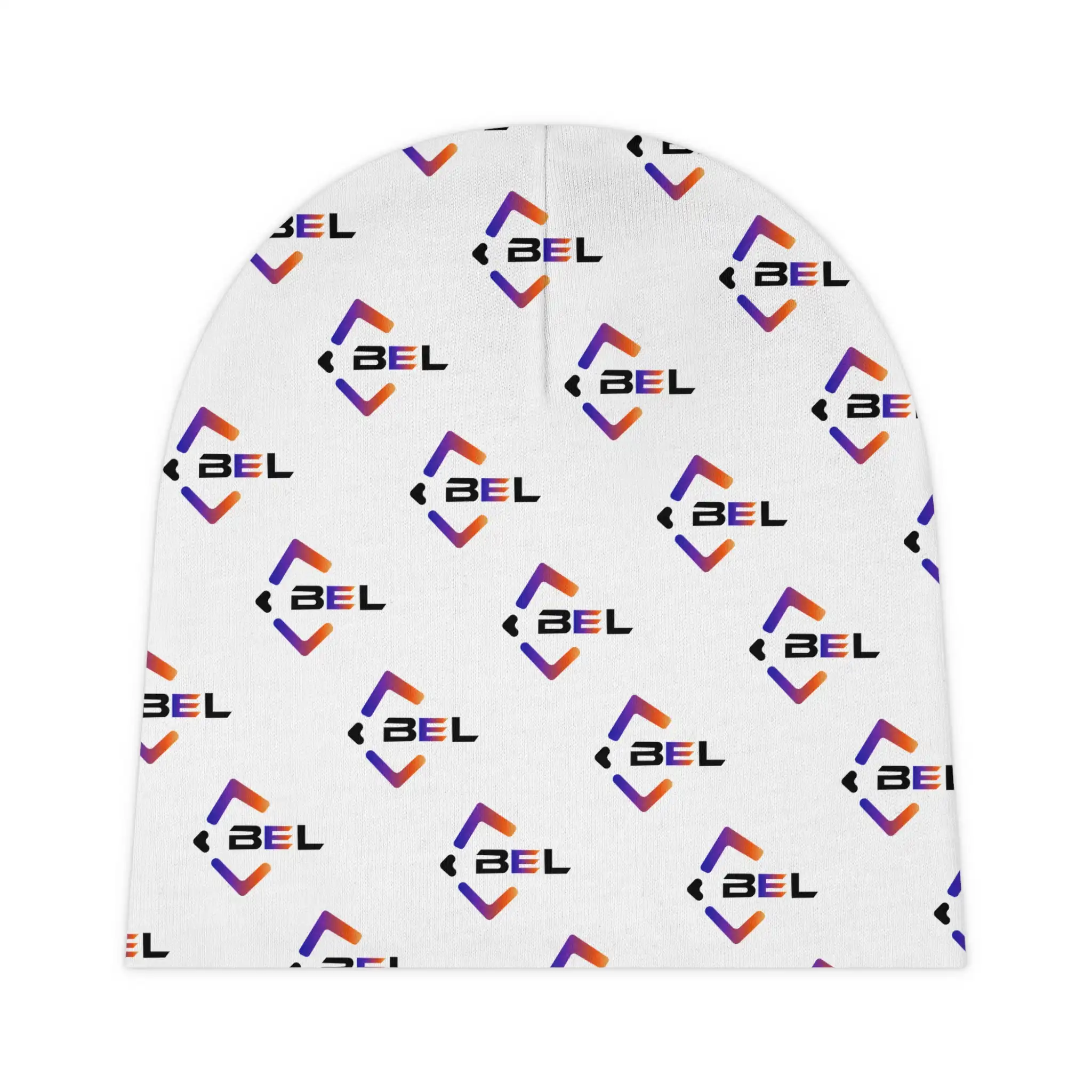
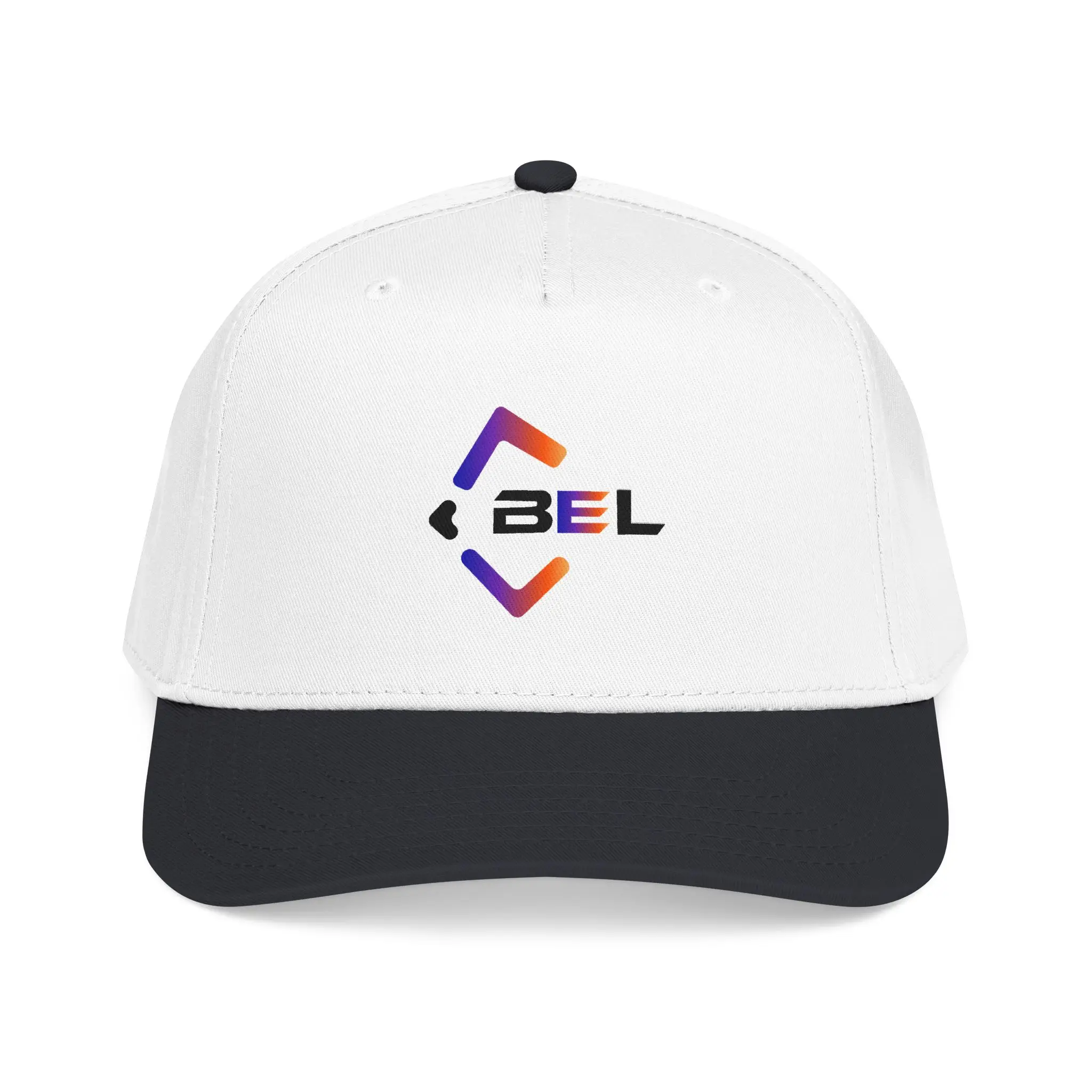
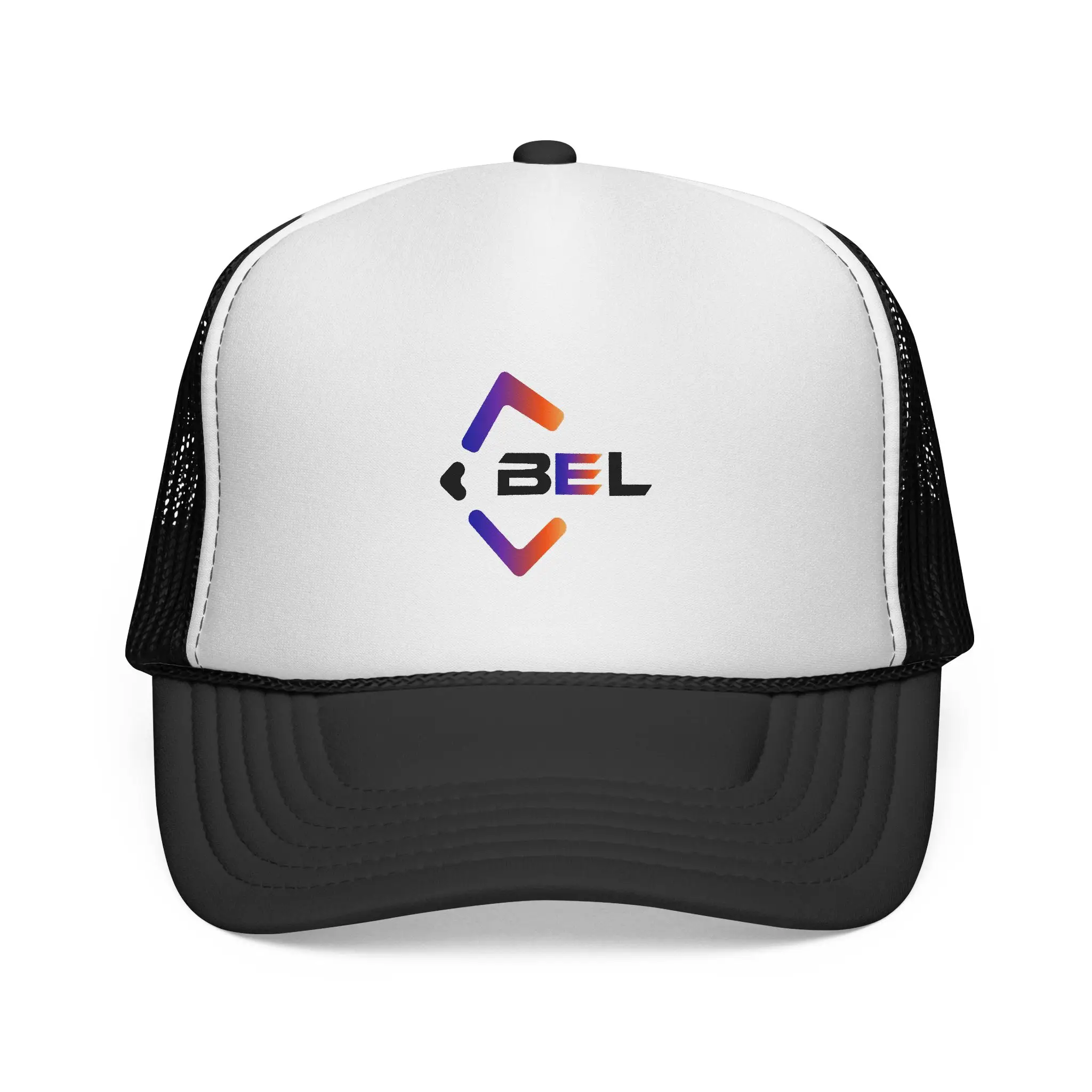
Hats have come back hard. Five-panel caps, dad hats, trucker hats, beanies, and bucket hats are all in heavy rotation. The plain logo cap is having a moment after years of being seen as basic.
The trend in caps is toward shorter brims, lower crowns, and more relaxed shapes. Stiff-front structured caps are still around but they’re not where the energy is. Soft, washed, slightly faded caps are what most people are reaching for.
Embroidery is back over screen prints for cap graphics. Embroidered logos and small designs age better and feel more substantial than printed graphics on hats.
Bucket hats have also made a real return after fading out for a few years. The new versions are slightly different from the 90s and 2000s shapes, with shorter brims and more relaxed crowns.
Layering For All Seasons
Streetwear has always loved layers, and 2026 is no exception. The shift is in how layers are built. Instead of stacking pieces that all do the same job, the current approach uses pieces with different weights and textures.
A typical winter fit might be a thermal long sleeve, a heavyweight hoodie, a chore jacket over the hoodie, and a beanie on top. Each piece does something different. The thermal traps heat against the body, the hoodie adds bulk and warmth, the jacket blocks wind, the beanie keeps the head warm.
Spring and fall layering uses lighter pieces. A standard tee, a light hoodie or flannel, and a denim jacket or chore coat. Same logic, less weight.
The point is intentional layering, not just throwing on whatever is in the closet. Each piece should be visible in some way, even if it’s just at the cuff, the neck, or the hem. If a piece is completely hidden under another piece, it’s not really part of the outfit.
Vintage & Reused Pieces
Buying brand new for everything is starting to feel out of step with where streetwear is going. Vintage tees, secondhand jackets, and reused workwear are showing up more in real outfits.
Part of this is environmental. The clothing industry’s impact on the planet is well documented at this point, and a lot of younger consumers are skeptical of buying constantly new.
Part of it is style. Vintage pieces have character that new pieces can’t fake. A 1990s band tee that’s actually been worn for thirty years has fading, soft fabric, and small flaws that no manufacturer can reproduce.
Mixing one or two vintage pieces with new ones is a common move now. A vintage tee with new pants, or a vintage jacket over new layers. The contrast adds depth to outfits that all-new pieces don’t have.
Footwear Following the Shift
Shoes have moved along with the rest of the scene. The chunky sneaker era has cooled off. Low-profile skate shoes, work boots, and clean court shoes are doing most of the work now.
Work boots specifically have crossed over from utility into the center of streetwear style. Tan, brown, and black leather boots paired with loose pants are showing up in more fits than they have in years.
The bright colorway sneaker is also losing ground to muted tones. Cream, brown, off-white, and washed grey sneakers are where the energy is. Clean, classic shapes are landing harder than the wildest collaborations from a few years back.
What to Pick Up First
If you’re building a streetwear wardrobe with 2026 trends in mind, a few pieces will go the furthest.
Start with one heavy canvas chore jacket in brown, olive, or black. This piece works for three seasons and layers with almost everything.
Add two or three oversized graphic tees in earth tones. These become the base layer for most warm weather outfits.
Pick up a soft, washed cap. Plain logo or simple embroidered design. This goes with everything.
Get one pair of relaxed pants in a neutral color. Carpenter, painter, or loose chinos all work.
These four pieces alone can be combined into ten or fifteen outfits, all of which will look at home in 2026 streetwear.
Final Note
The streetwear scene in 2026 is rewarding patience over chase. The pieces that work are the ones built to last, drawn from real culture, and styled with intention. Loud trends still come and go every few weeks, but the foundation is settling into something more grounded.
Pick pieces you actually want to wear daily, learn how they fit into outfits, and let the trends come to you instead of running after them. That’s where streetwear is heading, and it’s a better direction than where it was five years ago.