The streetwear fashion market exists on a spectrum. On one end, there are brands run by one person or a small team, producing limited quantities and selling through their own channels. On the other end, there are corporations with global distribution networks and billion-dollar revenues. Both claim to be streetwear. Both sell similar product types. But the way they operate, the motivations behind their decisions, and the relationship they have with their audience could not be more different.
According to Business of Fashion, the global streetwear market reached $185 billion in 2024, with independent streetwear brands capturing an increasingly loyal segment despite competing against fashion giants. This growth reflects a deeper shift in how consumers view authenticity in fashion.
What Makes a Brand Independent
Independence in streetwear culture is not just about size. It is about structure and control. A brand is independent when its decisions are made by the people who created it, not by investors, boards, or corporate partners dictating direction.
This means the founder or the team decides what to produce, how much to produce, where to sell, and how to communicate. There is no approval chain. There is no quarterly earnings pressure. The brand moves based on what feels right, not what a spreadsheet demands.

That freedom has consequences. It means tighter budgets, smaller production runs, and less marketing reach. But it also means the brand can take risks that a corporation never would. It can release something that speaks to 500 people instead of trying to water it down for 50,000.
Independence also means the brand can respond to its streetwear community in real time. If something is not working, the team can pivot without filing a report. If the community asks for something, the brand can deliver without getting approval from someone who has never worn the product.
How Mainstream Labels Approach Streetwear
Mainstream labels entered the streetwear space because they saw the money. That is not speculation. It is documented through acquisition deals, licensing agreements, and collaborations that multiplied over the past decade.
When a mainstream label enters streetwear, it brings resources: production capacity, distribution channels, marketing budgets, and access to celebrity endorsements. These resources allow it to move faster and reach more people than any independent brand could.
But those resources come with strings. Every decision has to serve the bottom line. A design that does not project well in focus groups gets shelved. A collaboration that does not promise a return on investment does not happen. The creative process becomes a business process.
Mainstream labels also tend to strip streetwear apparel of its context. They take the surface elements: the graphics, the silhouettes, the language. But they leave behind the culture, the community, and the story. The result is a product that looks like streetwear but does not feel like it.
The Acquisition Problem
Several mainstream fashion corporations have bought independent streetwear brands outright. The pattern is familiar: a brand builds credibility and community over years, a corporation offers a buyout, and the brand accepts. Within a few years, the product quality shifts, the design language changes, and the original audience moves on.
This pattern has played out enough times that consumers in the streetwear lifestyle space are wary of acquisitions. They see them as a signal that the brand has been co-opted and that the soul has been sold. That perception is not always accurate, but it persists because it has proven true often enough.
The challenge for independent brands is maintaining brand identity and streetwear authenticity while scaling operations. Some succeed by taking strategic partnerships rather than full buyouts. Others remain fiercely independent, accepting slower growth to preserve creative control.
Design Philosophy Differences
Independent streetwear brands tend to design from the inside out. The starting point is a concept, a reference, or a story that matters to the creator. The design serves that idea. If it resonates with the audience, it sells. If it does not, the brand learns and moves forward.
Mainstream labels tend to design from the outside in. The starting point is the market: what is trending, what sold last season, what the competition is doing. The design serves the data. This approach minimizes risk but also minimizes the chance of creating something that actually moves modern streetwear culture forward.
This difference shows up in the final product. Pieces from independent brands often have layers of meaning that reward closer attention. A graphic streetwear design might reference a local event. A colorway might connect to a neighborhood. The details tell a story that the wearer can share.
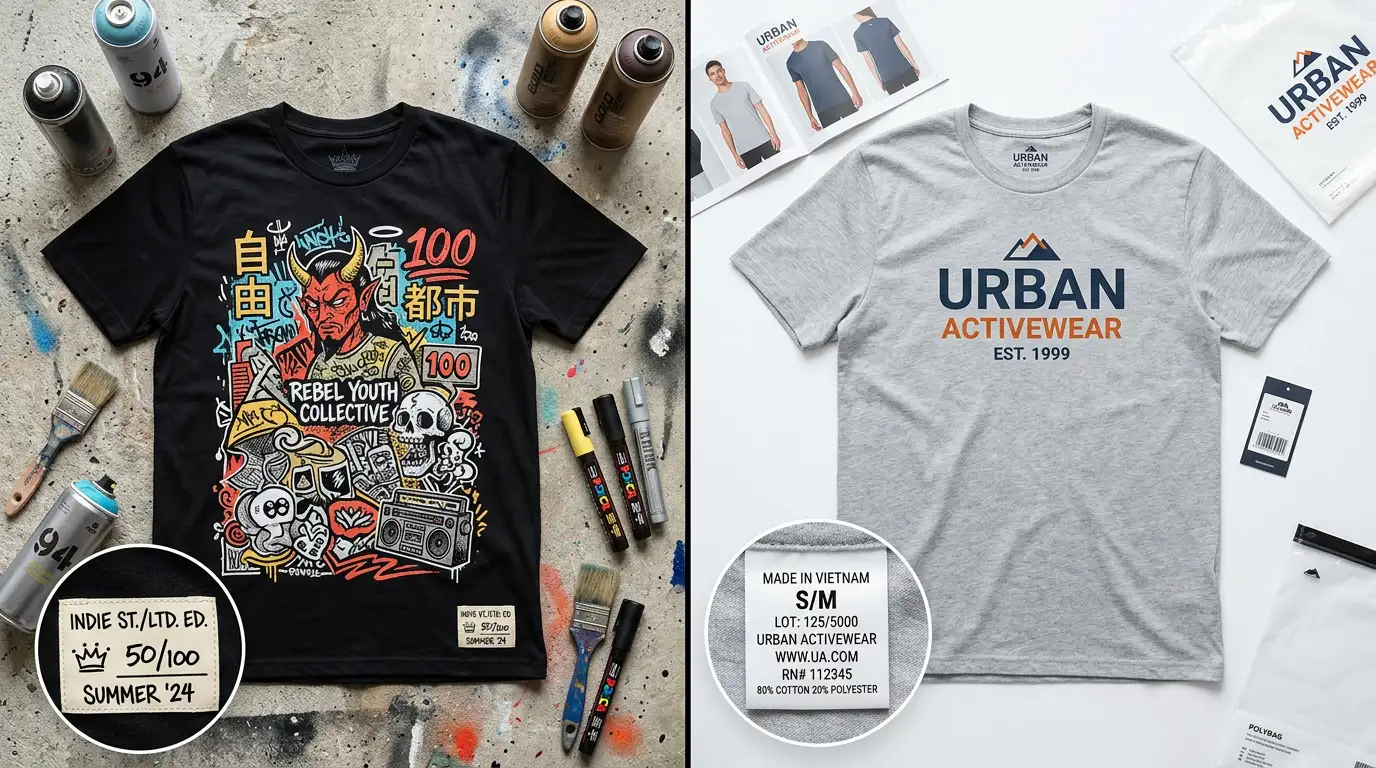
Pieces from mainstream labels tend to be safer. They reference broader trends that are already validated. There is nothing wrong with that approach from a business perspective, but it does not push the culture forward. It follows.
Risk Tolerance in Design
Independence allows for a higher tolerance for risk. A brand that is not accountable to shareholders can put out something polarizing. Not everyone will like it, and that is fine. The people who do like it will care about it more.
Mainstream labels cannot afford that same level of risk. A product that fails at scale means millions in losses. So the designs go through layers of approval, each one smoothing out the edges until the piece is safe enough for mass consumption. The result is clothing that offends no one and excites no one.
This is where streetwear essentials from independent brands gain their value. They represent creative risks that paid off, designs that could have failed but instead became cult favorites because they were authentic to the creator’s vision.
Pricing & Value
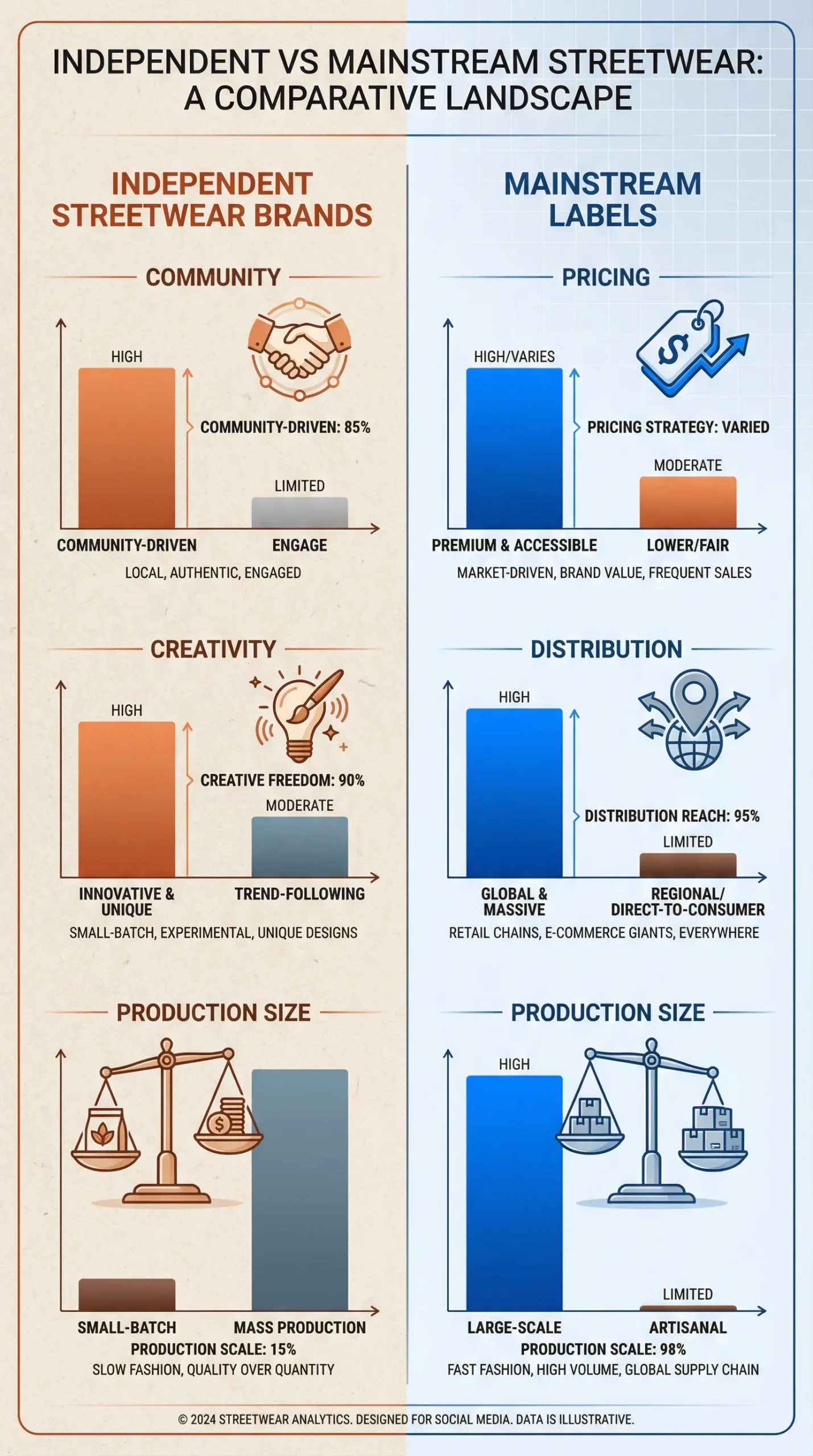
Pricing is one of the most visible differences between independent brands and mainstream labels. But the reasons behind those prices are worth examining.
Independent brands often price higher on a per-unit basis because they produce in smaller quantities. Smaller runs mean higher production costs per piece. The brand cannot access the same bulk pricing that a corporation negotiates. That cost gets passed to the consumer.
But the consumer also receives something that bulk production cannot offer: scarcity and meaning. A piece from a limited edition streetwear run of 100 carries weight that a piece from a run of 100,000 does not. The value is not just in the material. It is in what the piece stands for.
Mainstream labels may appear to offer better value because the price is lower relative to the quantity available. But that value is often offset by the lack of cultural connection. The consumer gets a well-made garment at a reasonable price, but they do not get the story, the community, or the brand identity that comes with an independent brand.
Pricing Breakdown:
| Factor | Independent Brand | Mainstream Label |
|---|---|---|
| Production runs | 50-500 units | 10,000+ units |
| Per-unit cost | Higher | Lower |
| Cultural value | High | Variable |
| Resale value | Often appreciates | Usually depreciates |
| Community connection | Direct | Distant |
Distribution & Access
Independent brands sell through their own websites, pop-up events, and select retailers. This limited distribution is intentional. It keeps the brand close to its audience and maintains control over how the product is presented.
Mainstream labels sell everywhere: department stores, multi-brand retailers, their own flagship locations, and every e-commerce platform imaginable. This wide distribution maximizes revenue but dilutes the experience. Buying a streetwear clothing piece next to dress shirts and khakis does not carry the same feeling as buying it directly from the brand.
The distribution choice also affects perception. A brand that is available everywhere feels less special. A brand that requires effort to find, through a drop schedule, a specific website, or a pop-up location, carries an air of participation. The consumer had to seek it out. That effort creates a connection that wide distribution never achieves.
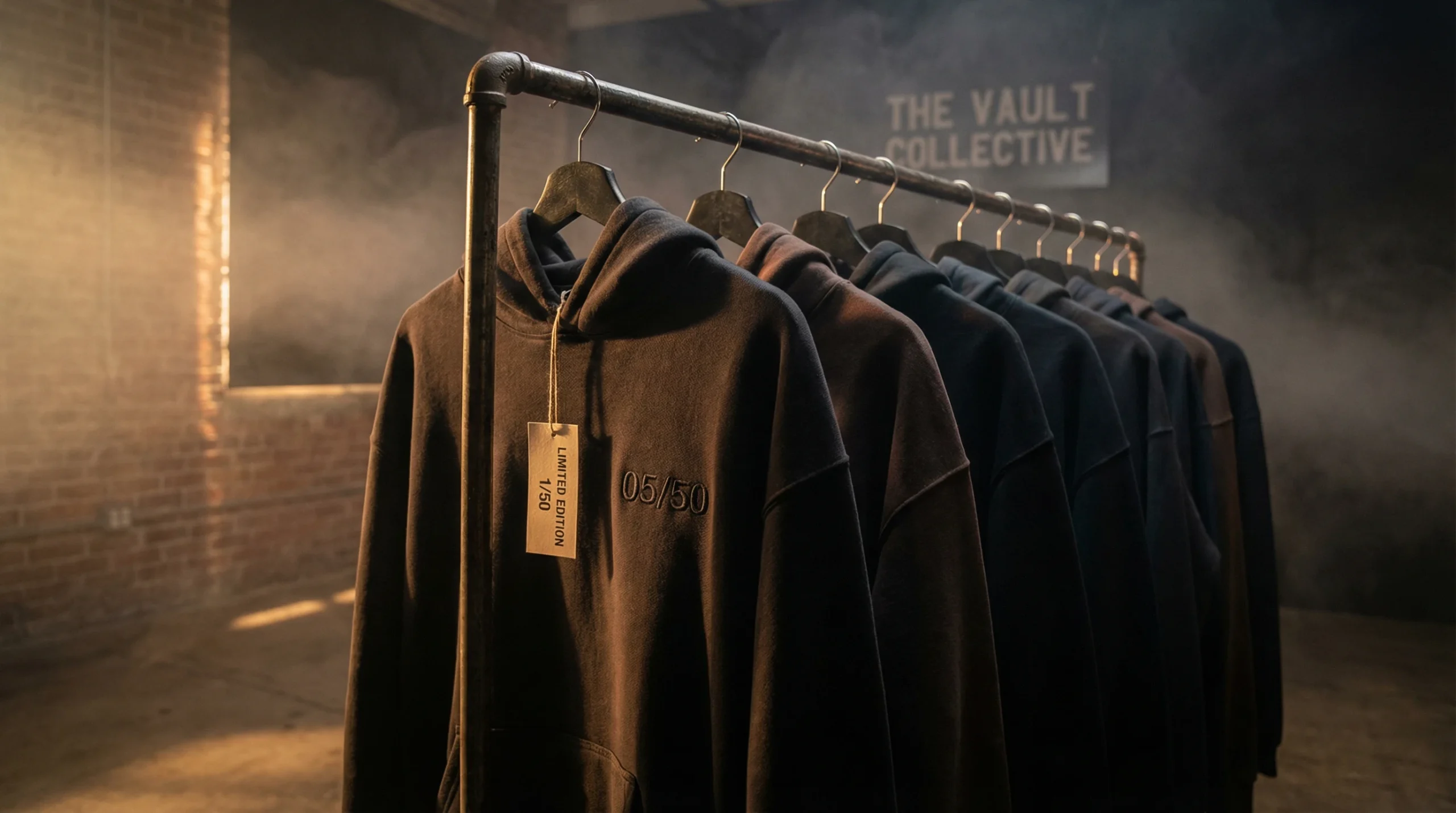
There is also the question of curation. Independent brands can control which retailers carry their products, ensuring that the brand sits alongside labels that share a similar ethos. Mainstream labels often lack that selectivity because distribution deals prioritize volume over fit.
Why It Matters
The difference between independent streetwear brands and mainstream labels is not just a business discussion. It is a cultural one. The health of streetwear as a culture depends on the existence of independent brands. They are the ones pushing new ideas, representing communities, and keeping the culture grounded in its roots.
Mainstream labels have their role. They bring awareness to streetwear style aesthetics and make the style accessible to a wider audience. But they do not drive the culture. They respond to it. Without independent brands creating at the edges, the mainstream would have nothing to draw from.
For consumers, the choice between independent and mainstream is a choice about what they want their clothes to say. Buying from an independent brand says: I support this community, this story, this creator. Buying from a mainstream label says: I like this style. Both are valid. But they are not the same.
The streetwear market functions best when both ends of the spectrum exist. Mainstream labels bring visibility. Independent brands bring substance. The tension between the two keeps the culture moving and gives consumers a genuine choice about how they engage with it.
Mistakes & Misconceptions About Independent vs Mainstream
A common misconception is that independent brands are always better than mainstream labels. That is not true. There are independent brands with poor quality, inconsistent design, and no clear identity. Independence does not guarantee quality. It guarantees control. What the brand does with that control is what matters.
Another mistake is assuming that mainstream labels cannot produce anything of cultural value. Some streetwear collaborations have been well-received because they were executed with respect for the culture and in partnership with people who have credibility. The key is how the collaboration is structured and who holds the creative authority.
Some consumers make the mistake of equating price with authenticity. A higher price does not make a brand more legitimate. And a lower price does not make a brand less valid. Authenticity comes from the story, the community, and the consistency of the brand, not from the number on the tag.
There is also the misconception that independent brands cannot scale. They can. But scaling independently looks different from scaling within a corporation. It is slower, more deliberate, and focused on maintaining the core identity rather than maximizing revenue at all costs.
Finally, some people believe that once a brand partners with a mainstream company, it is no longer independent. This is a gray area. Partnerships and collaborations do not always mean loss of control. The determining factor is who makes the creative decisions. If the original team retains that authority, the brand can partner without losing its identity.
Support Independent Streetwear: The BEL LLC Approach
At BEL LLC, we operate as an independent Baltimore streetwear brand, creating limited-run apparel that represents authentic Charm City culture. Every piece we design reflects our commitment to community-driven fashion, not corporate trends.
Our Baltimore clothing line embodies the principles of independent streetwear: small-batch production, founder-led design decisions, and direct connection to our local community. We control every aspect of our brand, from concept to customer, ensuring that each item carries the genuine story of Baltimore streetwear culture.

Whether you’re looking for Baltimore t-shirts, Baltimore hats, or Baltimore themed apparel, our collection represents what independent streetwear stands for: authenticity, community, and creative freedom.
Explore our independent streetwear:
Frequently Asked Questions
How to Tell If a Streetwear Brand Is Truly Independent
Look at who makes the decisions. If the brand is founder-led, self-funded or community-funded, and sells through its own channels, it is likely independent. Ownership structure matters. A brand owned by a private equity firm or a fashion conglomerate may operate like an independent brand, but the incentives are different.
Research the brand’s background before assuming its status. Check their “About” page, look for information about founders, and see if they mention any parent companies or investors. Truly independent brands are usually transparent about their ownership structure.
Why Do Independent Streetwear Brands Use Limited Drops
Limited drops serve multiple purposes. They keep inventory manageable, which is important for brands without large warehouses or fulfillment networks. They create urgency that drives sales in a compressed window. And they align with streetwear culture, where scarcity has always been part of the appeal.
A piece that everyone has does not carry the same weight as one that required effort to acquire. Limited drops also allow new streetwear brands to test designs without committing to large production runs that could result in excess inventory.
How Do Mainstream Labels Influence Streetwear Trends
Mainstream labels influence trends by amplifying what independent brands have already started. When a mainstream label picks up on an aesthetic that was born in a small studio, it brings that aesthetic to a global audience. This exposure can benefit the culture by introducing more people to streetwear, but it can also dilute the original intent if the context is stripped away.
The cycle typically works like this: independent brands experiment with new designs, the most successful concepts gain traction in streetwear communities, mainstream labels observe these trends, and then produce mass-market versions. This process can take 6-18 months from independent innovation to mainstream adoption.
Why Does Supporting Independent Streetwear Brands Matter
Supporting independent brands is a direct investment in the culture. The money goes to creators who are building something personal and community-driven. It keeps the ecosystem alive and ensures that streetwear clothing brands continue to be driven by the people who live it, not just by the companies that profit from it.
Every purchase from an independent brand is a vote for the kind of culture the consumer wants to exist. It supports creative freedom, preserves cultural authenticity, and helps maintain the diversity of voices in streetwear fashion.
How Do Independent Brands Compete with Mainstream Marketing Budgets
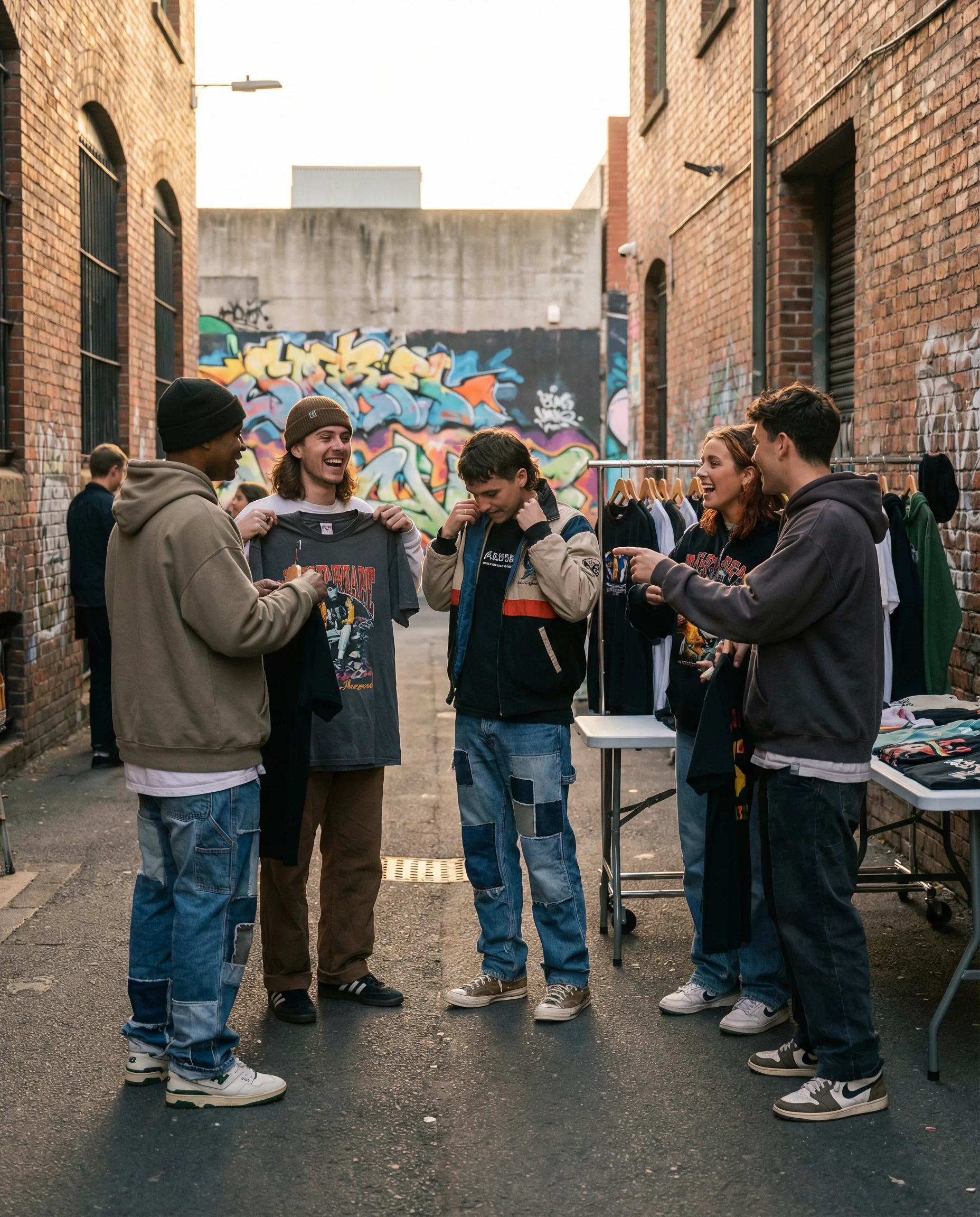
They compete by not competing on the same terms. Independent brands cannot outspend mainstream labels, so they out connect them. Community engagement, word of mouth, social media authenticity, and local events all build a following that money cannot buy.
The audience that an independent brand attracts is smaller but more committed, and that commitment translates to organic growth over time. Best streetwear brands understand that genuine relationships with customers create more sustainable growth than paid advertising campaigns.
Independent brands also leverage storytelling, behind-the-scenes content, and direct founder-to-customer communication in ways that corporate marketing departments cannot replicate authentically.
Conclusion
Independent streetwear brands and mainstream labels occupy different spaces within the same culture. One pushes the culture forward through personal expression, community ties, and creative risk. The other responds to what the culture has produced and distributes it at scale.
Both have a place, but the heart of contemporary streetwear has always been in the independent lane. That is where the stories start, where the communities form, and where the culture gets its energy.
Supporting that lane is not just a consumer choice. It is a cultural one. When you choose to support an independent streetwear brand, you are investing in creative freedom, cultural authenticity, and the future of streetwear as a community-driven movement rather than a corporate trend.
The landscape of streetwear will continue to evolve, but the fundamental difference between independent and mainstream will remain: one creates for culture, the other capitalizes on it. Understanding this distinction helps consumers make informed choices about which brands align with their values and which vision of streetwear they want to support.
Related Articles: