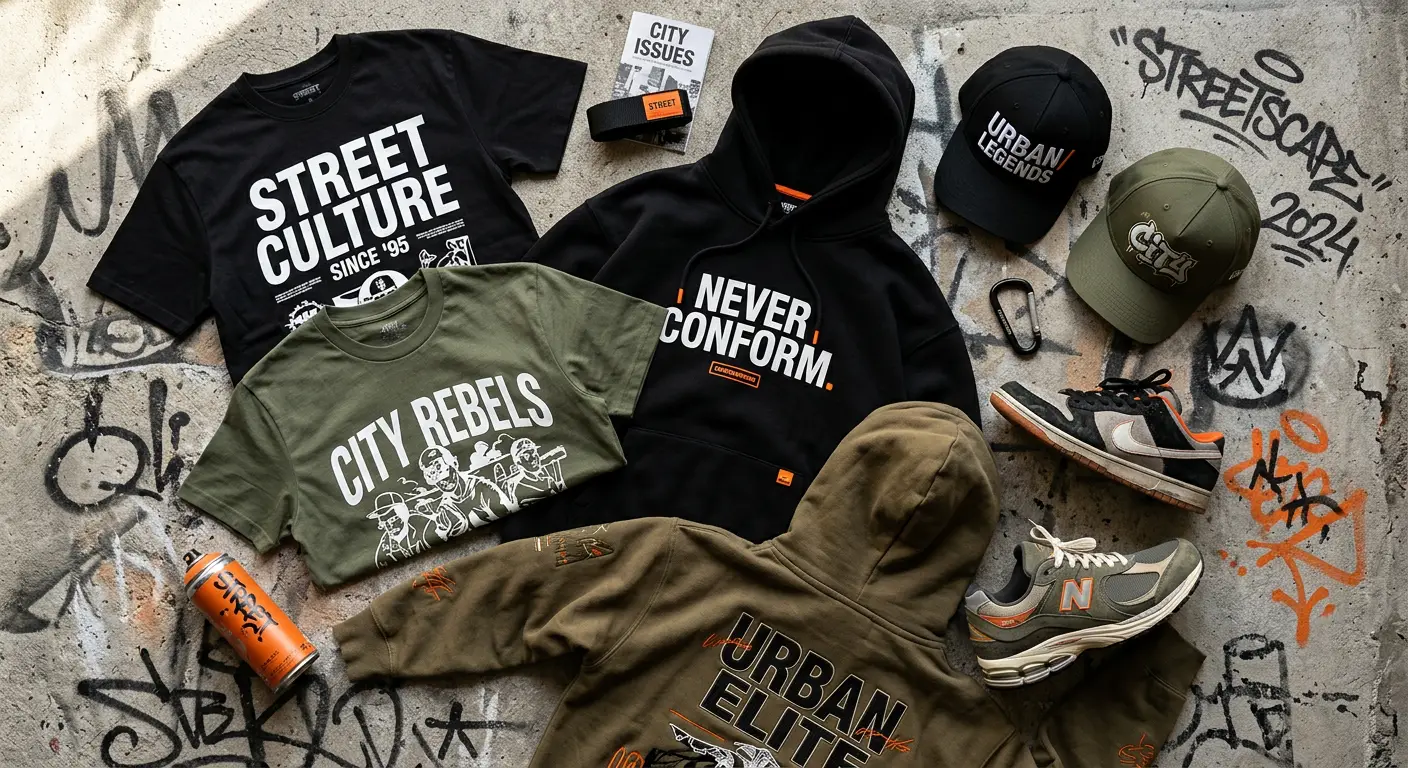
Streetwear clothing brands have changed how people think about getting dressed. What started as a subculture has moved into the mainstream without losing its edge, and the brands driving that movement operate differently from anything else in fashion. Their impact on style goes beyond trends. They have shifted the relationship between clothing, identity, and culture in ways that continue to ripple across the industry.
What Are Streetwear Clothing Brands?
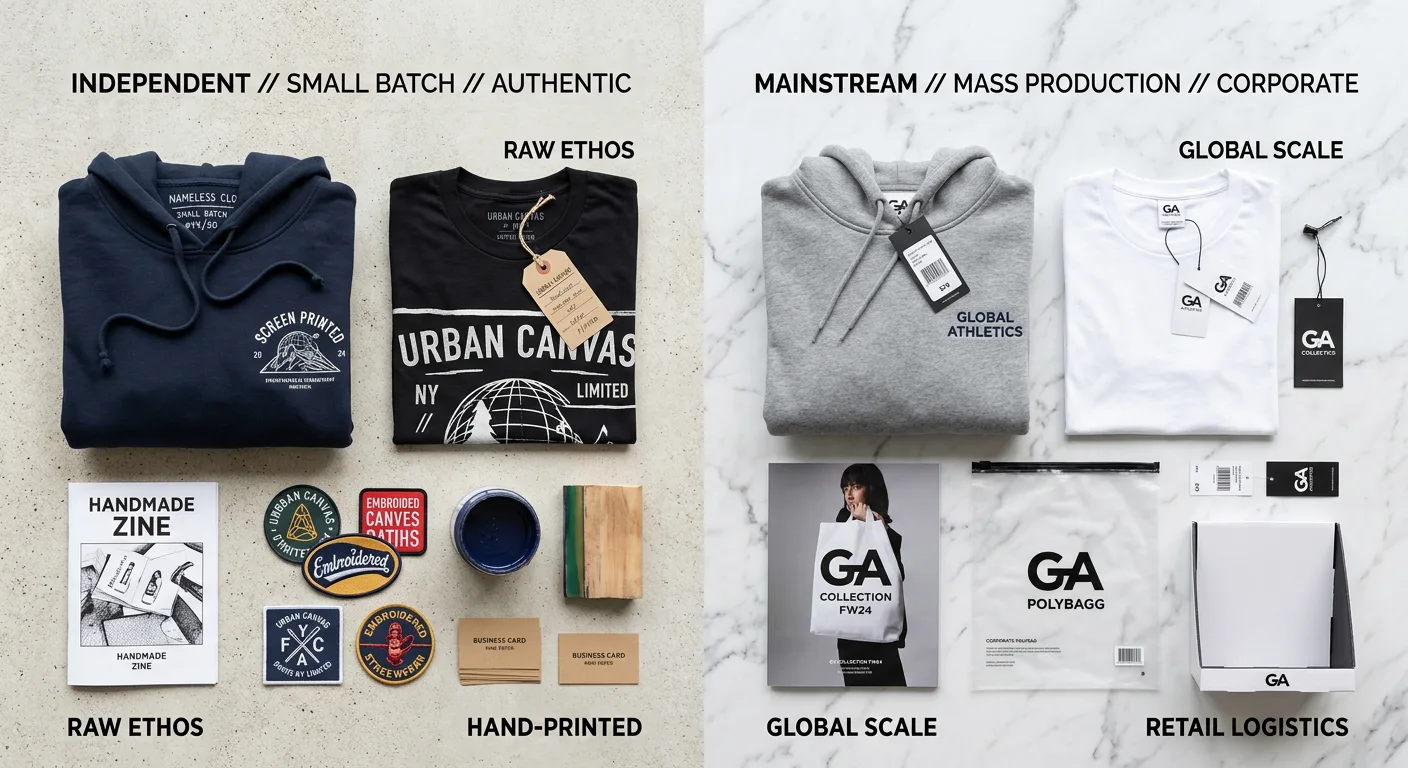
Streetwear clothing brands are fashion labels rooted in urban culture, skateboarding, hip-hop, and youth subcultures. They prioritize authenticity, limited releases, and community connection over traditional fashion industry hierarchies. Unlike mainstream fashion houses, independent streetwear brands build from the bottom up, creating direct relationships with their audiences.
How Streetwear Brands Changed the Rules
Before streetwear, fashion operated on a top-down model. Designers showed collections on runways. Editors decided what mattered. Consumers followed. The system was hierarchical, and the people at the bottom of that hierarchy had little influence over what was available to them.
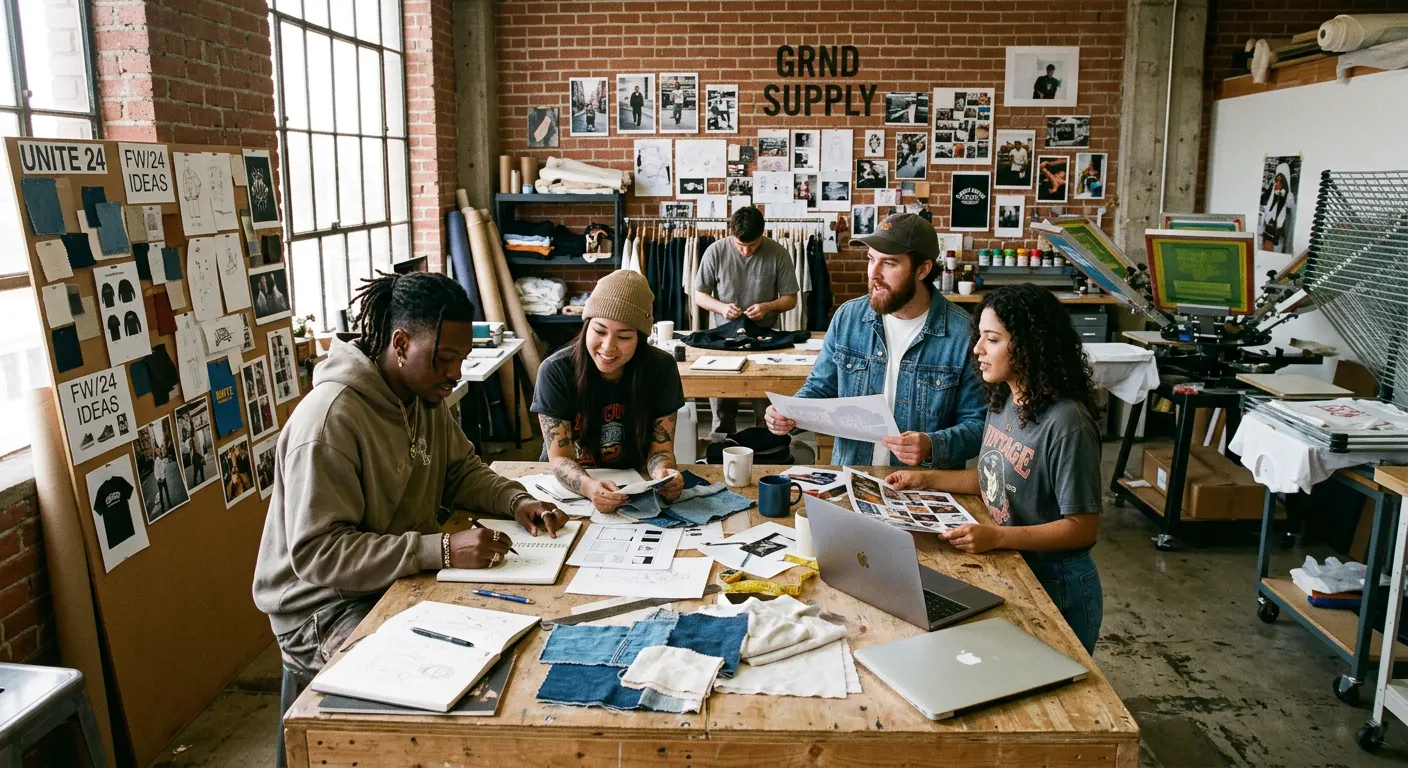
Streetwear brands broke that model. They did not design for runways. They designed for the street. The audience was not fashion editors. It was friends, neighbors, and fellow members of a subculture. The feedback loop was direct: make something, put it out, and see how the community responds.
That bottom-up approach changed everything. It proved that a brand could build a following without industry approval. It showed that consumers wanted clothing that spoke to their identity, not just their taste. And it demonstrated that a small operation with a clear point of view could compete with corporations that had decades of infrastructure.
The Decentralization of Style
Streetwear brands decentralized style. Instead of one city or one designer dictating what was in, multiple communities across multiple cities were creating their own aesthetics simultaneously. A brand from Baltimore had a different look than a brand from Tokyo, which had a different look than a brand from London. All of them were valid. All of them had audiences.
This decentralization gave consumers permission to dress according to their own culture rather than conforming to a single standard. It made style personal in a way that mainstream fashion had not allowed. The impact of that shift is still being felt. Today, no single aesthetic dominates. People pull from multiple influences, and streetwear brands gave them the language to do it.
The Impact on Mainstream Fashion
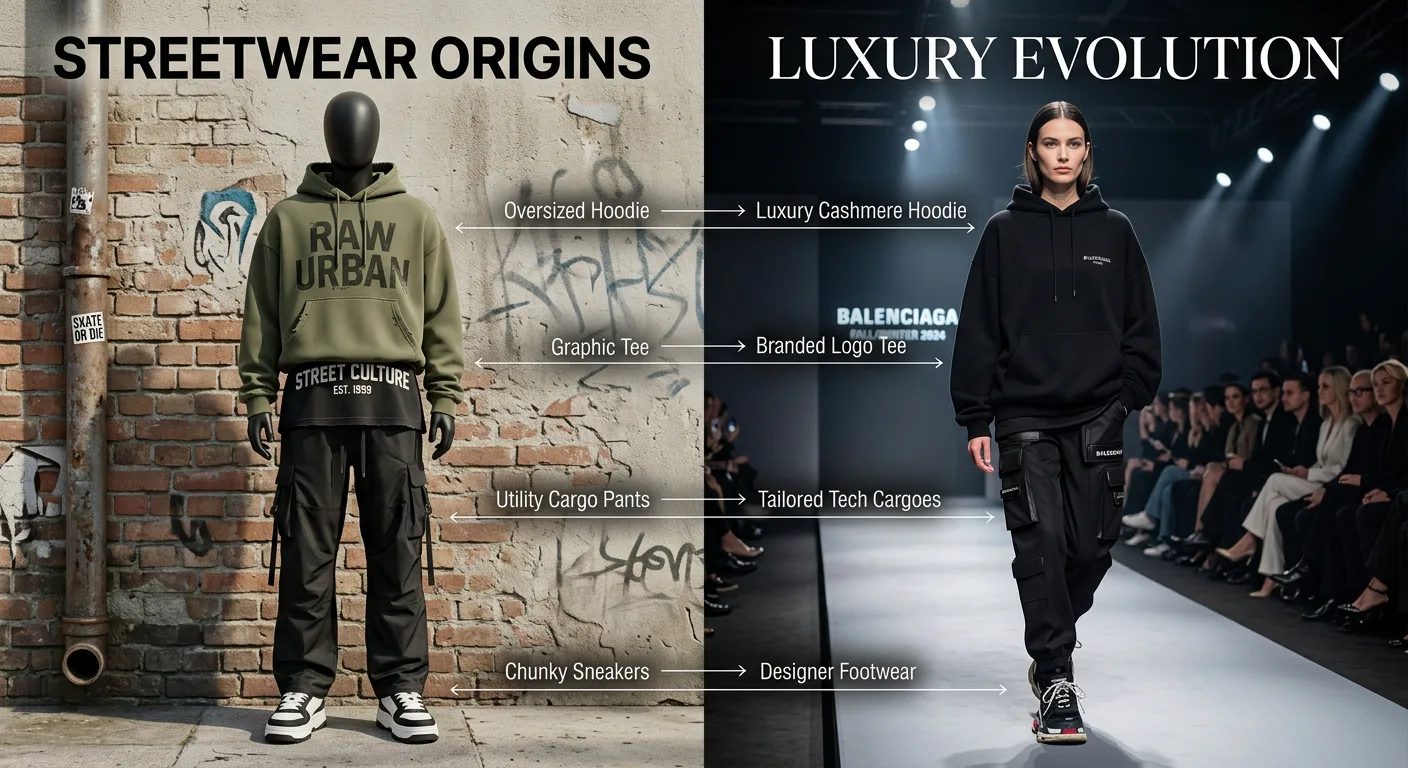
Streetwear clothing brands did not just exist alongside mainstream fashion. They infiltrated it. Over the past two decades, the influence of streetwear on mainstream labels has become impossible to ignore.
Luxury brands that once dismissed streetwear now collaborate with streetwear designers. Runway collections feature hoodies, sneakers, and graphic-heavy pieces that would have been considered too casual a generation ago. The lines between high fashion and street fashion have blurred to the point where the distinction barely holds.
This infiltration happened because streetwear brands understood something that mainstream labels did not: people want to feel like their clothes come from the same world they live in. A hoodie designed by someone from your city feels different from a hoodie designed by a fashion house in Paris. That feeling drives purchases, and the industry noticed.
What Mainstream Fashion Borrowed
Mainstream fashion borrowed several elements from streetwear clothing brands:
- The drop model – Products released in limited quantities on specific dates came directly from streetwear
- Logo placement and brand recognition – Using branding as a primary design element was refined by streetwear
- Collaborations as strategy – Streetwear brands pioneered this long before luxury houses adopted it
- Oversized silhouettes – Relaxed, comfortable fits that challenged traditional tailoring
- Graphic prints and bold typography – Visual storytelling through design
- Sportswear integration – Mixing athletic pieces with casual wear
The mainstream did not invent these elements. It adopted them after streetwear proved their commercial and cultural viability. According to Business of Fashion, the global streetwear market reached $185 billion in 2023 and continues to grow, demonstrating the undeniable economic impact of this cultural shift.
Notable Streetwear Brands That Changed Fashion
While the culture of streetwear matters more than any single label, certain brands have undeniably shaped the movement and influenced how we think about modern streetwear:
Pioneering Streetwear Brands
| Brand | Origin | Key Contribution |
|---|---|---|
| Stüssy | California, 1980 | Established streetwear’s surf and skate foundation |
| Supreme | New York, 1994 | Perfected the limited drop model and hype culture |
| A Bathing Ape (BAPE) | Tokyo, 1993 | Brought Japanese streetwear to global consciousness |
| Off-White | Milan, 2012 | Bridged streetwear with luxury fashion houses |
| Palace | London, 2009 | Represented UK skate culture with irreverent design |
| The Hundreds | Los Angeles, 2003 | Built community through storytelling and local culture |
These brands proved that the best streetwear brands combine consistent design vision with authentic cultural connection. They built loyal followings not through traditional advertising but through community engagement and product quality.
The Rise of Regional Streetwear
Beyond these global names, regional brands have become increasingly important. Baltimore streetwear, Chicago streetwear, Atlanta streetwear—each carries its city’s distinct identity. These local brands often have deeper community ties than their larger counterparts because they represent specific experiences and aesthetics that resonate with their immediate audience.
How Streetwear Brands Build Style Movements
A style movement is not the same as a trend. A trend is temporary. A style movement changes how people think about getting dressed on a permanent basis. Streetwear clothing brands have started several style movements over the decades.
The casual revolution that removed dress codes from workplaces owes a debt to streetwear. The acceptance of sneakers as part of a dressed-up outfit was pushed by streetwear culture. The idea that a t-shirt can carry as much cultural weight as a tailored suit was established by streetwear brands.
These movements did not happen because a marketing team decided to push them. They happened because communities of people started dressing a certain way, and the rest of the world eventually caught up. Streetwear brands gave those communities the tools to express themselves, and the expression spread.
The Role of City Identity in Style Movements
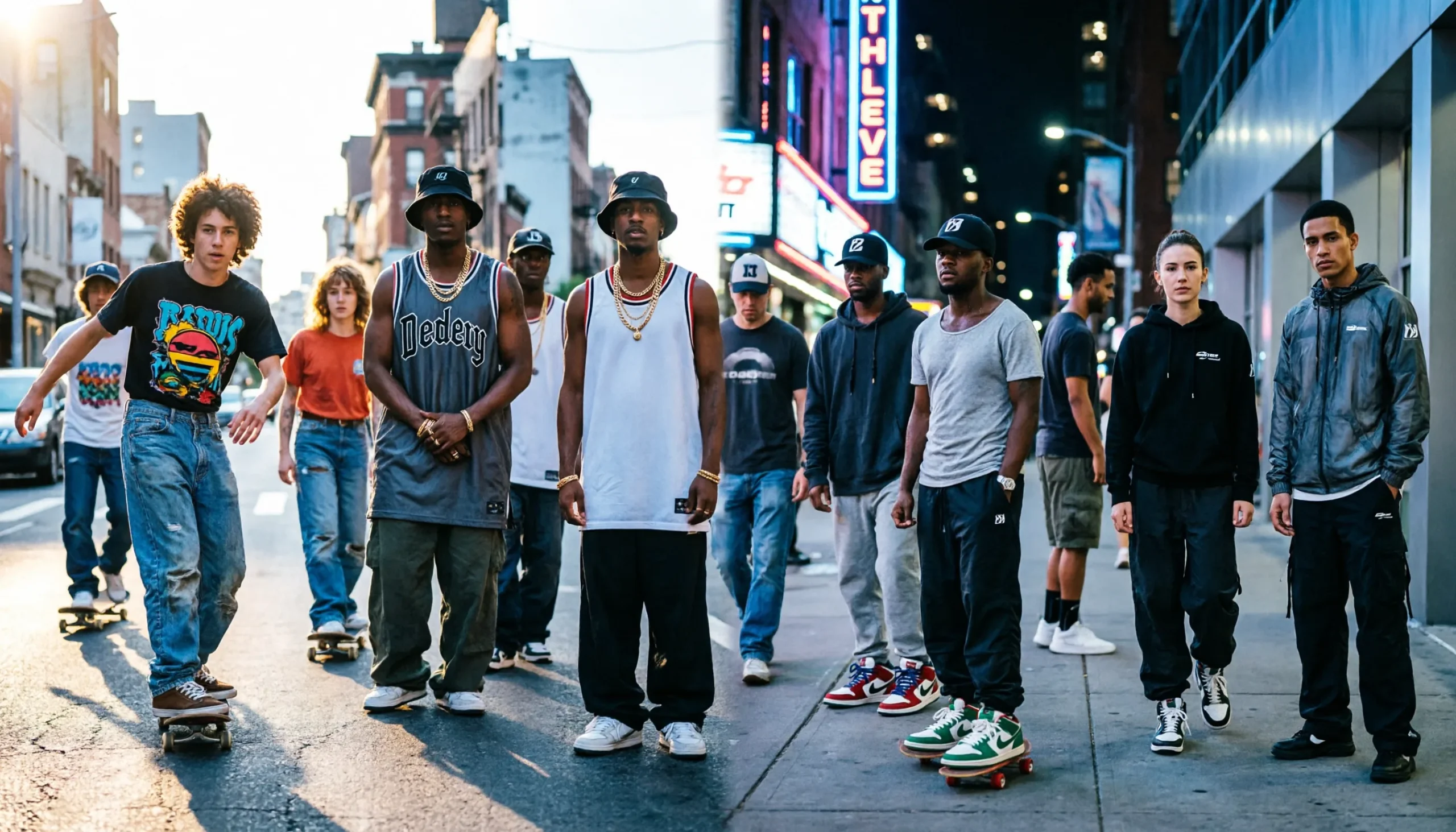
Cities play a significant role in how streetwear brands start style movements. A brand rooted in a city carries that city’s aesthetic, energy, and attitude. When the brand gains attention beyond its home base, it takes that local style with it.
Baltimore streetwear carries the culture of Baltimore. When someone outside the city wears a Baltimore-based brand, they are engaging with that culture. They are adding Baltimore’s visual language to their own wardrobe. That cross-pollination of city-based aesthetics is how streetwear spreads style without losing its roots.
This is also why city-based brands tend to have longer staying power than brands without a geographic anchor. The city provides a continuous source of inspiration and a built-in community that renews itself with each generation.
Streetwear Brands & Consumer Behavior
Streetwear clothing brands have changed how consumers shop. The traditional model of seasonal collections available year-round does not apply. Instead, streetwear fashion brands use drops, limited editions, and direct sales to create a buying experience that requires attention and participation.
This model has trained consumers to be active rather than passive. Streetwear buyers follow brands on social media, sign up for notifications, and show up on release days. They are engaged in a way that fast-fashion shoppers are not. That engagement creates a relationship between the brand and the consumer that goes beyond transactions.
The resale market is another behavioral shift driven by streetwear. When a piece sells out, it often appears on secondary platforms at a higher price. This has turned buying streetwear into something that resembles collecting. People acquire pieces not just to wear them but to own them as cultural artifacts.
How Brand Loyalty Works in Streetwear
Loyalty in streetwear is not the same as brand preference in other categories. It is closer to identification. A consumer who is loyal to a streetwear brand sees that brand as an extension of their own identity. They wear it because it says something about who they are.
That level of loyalty is difficult to break. It means the consumer will wait for new releases, pay full price, and defend the brand in conversations. It also means the consumer holds the brand to a standard. If the brand changes direction, drops in quality, or loses its identity, the loyal customer feels betrayed.
This dynamic gives streetwear brands a responsibility that mainstream labels do not face. Their audience is invested on a personal level, and that investment demands consistency and honesty. This is why independent streetwear brands build loyalty through authentic storytelling and community engagement rather than advertising budgets.
Why It Matters
The impact of streetwear clothing brands on style is not a historical footnote. It is ongoing. Every day, people make decisions about what to wear based on the framework that streetwear created. They choose brands based on identity. They seek out limited releases. They value cultural connection over mass availability.
This matters because it keeps fashion democratic. Streetwear brands, especially independent ones, ensure that style is not dictated from the top. It emerges from communities, from cities, from people who have something to say. As long as those brands exist and operate with integrity, the fashion industry will continue to be pushed by forces outside the corporate mainstream.
For consumers, supporting streetwear brands that align with their values is a way of participating in the culture rather than just consuming it. The purchase is not passive. It is a choice that connects the buyer to a community, a story, and a style movement that has been building for decades.
Experience Baltimore’s Independent Streetwear
At BEL LLC, we’re building the culture that connects Baltimore’s identity to the global streetwear movement. Our designs represent the heart of Charm City—authentic, bold, and rooted in community.
Mistakes & Misconceptions About Streetwear Brands & Style
One misconception is that streetwear brands are just smaller versions of mainstream labels. They are not. The motivations, the processes, and the relationships with consumers are fundamentally different. A streetwear brand is built on cultural connection. A mainstream label is built on market share. The two operate by different rules.
Another mistake is assuming that the influence of streetwear on mainstream fashion means that streetwear has been absorbed by the mainstream. It has not. The surface elements have been borrowed, but the culture remains independent. Streetwear brands continue to create outside the mainstream system, and their audiences continue to value that independence.
Some people believe that streetwear’s impact on style is limited to casual settings. That is incorrect. The influence extends into professional environments, formal events, and everyday life. The idea that a well-designed hoodie or a pair of sneakers can be appropriate in almost any setting is a direct result of streetwear’s impact on how people think about dress codes.
There is also the misconception that streetwear brands are only relevant to young consumers. The culture has been around for over 40 years. The people who grew up with it are still wearing it. And new generations continue to discover it. Age is not a barrier to entry.
Finally, some people think that wearing a streetwear brand automatically makes someone part of the culture. It does not. The clothing is one entry point, but engagement with the community, the story, and the values of the brand is what makes someone a participant rather than a bystander.
Frequently Asked Questions
How Do Streetwear Brands Influence What People Wear Daily?
Streetwear brands normalized the idea that everyday clothing could carry meaning. Before streetwear’s influence, casual clothes were often treated as afterthoughts. Streetwear changed that by proving that a t-shirt or a hoodie could be as intentional as a suit. That shift means people now think about their casual wardrobe with the same care they give to any other part of how they present themselves.
Why Do Streetwear Brands Outlast Trends?
Trends rely on novelty. When the novelty fades, the trend dies. Streetwear brands built on identity and community do not depend on novelty. They depend on connection. As long as the brand maintains its identity and continues to serve its community, it remains relevant regardless of what is trending in the broader market.
How Do Local Streetwear Brands Gain National Attention?
Local streetwear brands gain attention by being so good at representing their city that people from other places take notice. Social media accelerates this process. A post from a local event, a co-sign from a musician, or a piece that catches the eye of the right audience can push a local brand into a wider conversation. The key is that the attention grows from authenticity, not from a manufactured marketing campaign.
What Should Consumers Look for in a Streetwear Brand?
Look for consistency in design language, honesty in storytelling, and visible connection to a community. A brand that has been releasing work with a clear point of view over time is more likely to deliver value than a brand that appeared overnight with a heavy marketing push. Check the brand’s history, read about its origins, and see how its audience talks about it. Explore streetwear essentials that reflect quality and cultural authenticity.
How Do Streetwear Brands & Mainstream Labels Coexist?
They coexist because they serve different needs. Mainstream labels provide accessibility and broad availability. Streetwear brands provide cultural connection and specificity. Many consumers buy from both, using mainstream pieces as basics and streetwear apparel as expressions of identity. The two ends of the market feed off each other, with streetwear generating ideas and mainstream amplifying them.
What’s the Difference Between Independent and Mainstream Streetwear Brands?
Independent streetwear brands typically maintain creative control, produce smaller quantities, and prioritize community over scale. Mainstream streetwear brands or corporate-owned labels focus on mass distribution and profitability. Independent brands often have deeper cultural authenticity because they answer to their community rather than shareholders.
Where Can I Buy Authentic Streetwear Brands?
Buy directly from brand websites whenever possible. This ensures authenticity and supports the brand directly. For Baltimore streetwear and local brands, check their official online stores. Authorized retailers and reputable boutiques are secondary options. Avoid unauthorized resellers or sites with prices that seem too good to be true, as counterfeits are common in streetwear.
Conclusion
Streetwear clothing brands have left a mark on style that cannot be reversed. They changed how people shop, what people value in their clothing, and how the fashion industry operates. Their impact goes beyond aesthetics. It reshaped the relationship between consumers and the brands they support. That relationship, built on identity and community rather than convenience and price, is the foundation of a style movement that continues to grow.
The brands at the center of that movement are not just selling clothes. They are building the culture that everyone else draws from. Whether it’s local Baltimore brands representing Charm City or global labels pushing boundaries, streetwear remains a democratic force in fashion—one where authenticity, community, and cultural connection matter more than corporate budgets.
As contemporary streetwear continues to evolve, the principles established by pioneering brands remain constant: stay true to your community, design with intention, and never compromise your identity for mass appeal. That’s how streetwear brands changed fashion, and that’s how they’ll continue to shape it for generations to come.