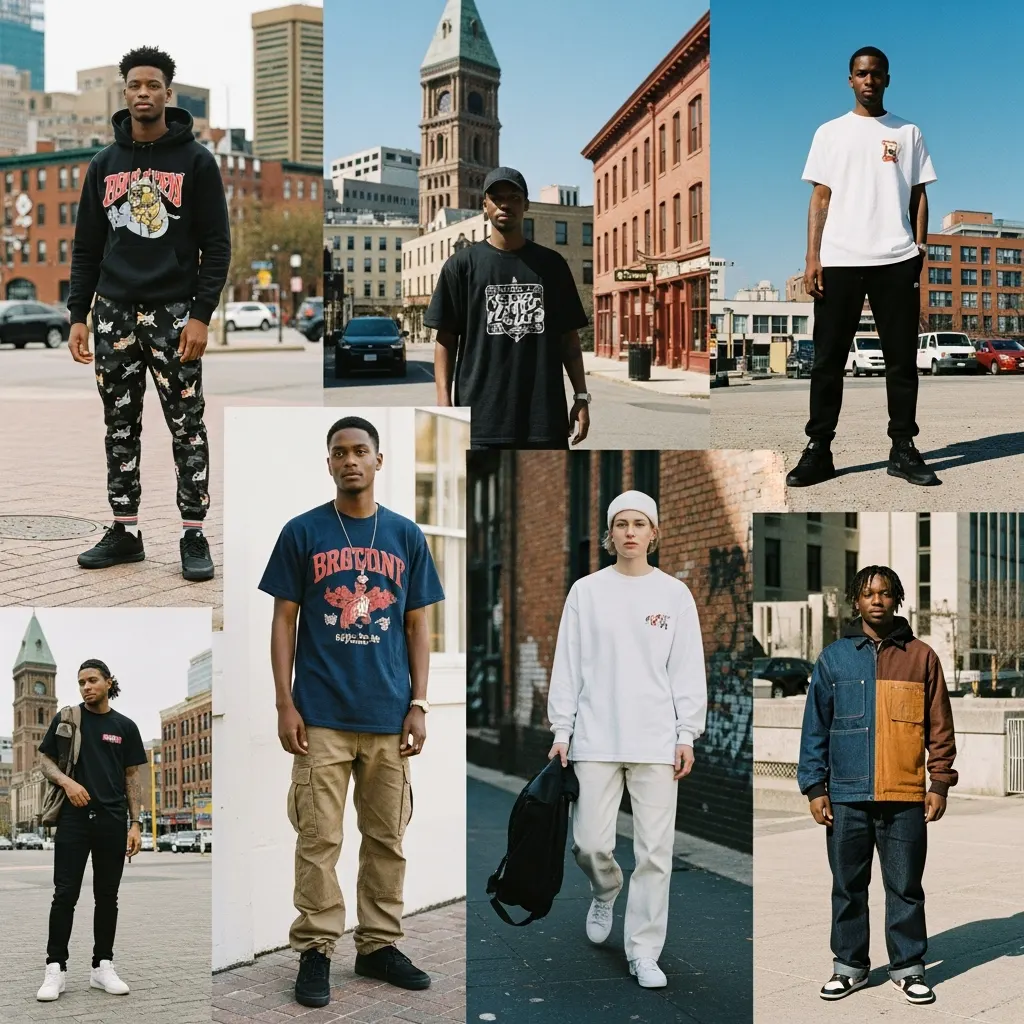
Style is personal. Fashion is collective. The tension between the two is where streetwear lives. Streetwear style is not about following what a brand tells you to wear. It is about choosing pieces that reflect who you are and combining them in ways that feel honest. That process of personal expression is what makes streetwear different from every other approach to getting dressed, and it is the reason the streetwear culture continues to grow.
The Relationship Between Style & Identity
Style in streetwear is an extension of identity. The pieces someone chooses to wear communicate where they come from, what they value, and how they see themselves. That communication is not accidental. It is intentional. Every choice, from the brand to the colorway to the fit, sends a signal.
This connection between style and identity is what gives streetwear its depth. Other fashion categories sell aesthetics. Streetwear sells belonging. When someone puts on a piece from a Baltimore-based brand like BEL LLC, they are not just getting dressed. They are making a statement about who they are and where they stand.
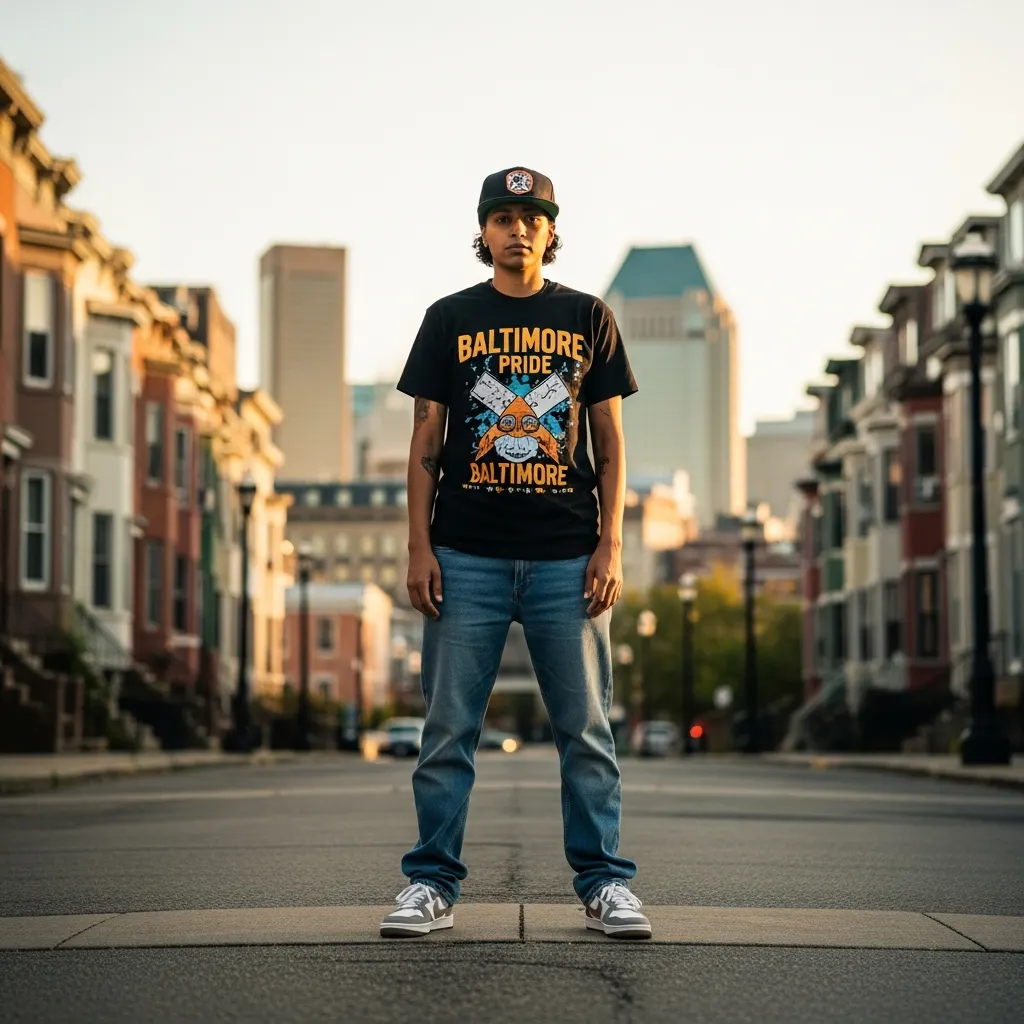
The identity does not have to be geographic. It can be tied to a music scene, a creative community, a philosophy, or a personal story. What matters is that the style grows from something real rather than from a trend report.
Pro Tip: Start building your streetwear identity by choosing pieces that reflect your local culture or personal interests, not just what’s trending on social media.
Why Personal Expression Matters More Than Trends
Trends tell people what to wear. Personal expression tells people who someone is. In streetwear, the second always carries more weight.
A person wearing a trending piece because everyone else is wearing it sends a different message than a person wearing a piece because it connects to their story. The difference is visible. It shows in the confidence of the wear, in the styling choices around the piece, and in the context of the overall outfit.
Streetwear culture rewards personal expression over trend-following. The people who stand out in this space are the ones who dress in a way that feels unmistakably theirs. They might incorporate trends when the trend aligns with their existing style, but they do not chase trends for the sake of keeping up.
According to Highsnobiety’s analysis of streetwear evolution, the most enduring streetwear brands are those that prioritize cultural authenticity over temporary hype—a philosophy that defines the approach of independent streetwear brands like BEL LLC.
How Streetwear Style Develops Over Time
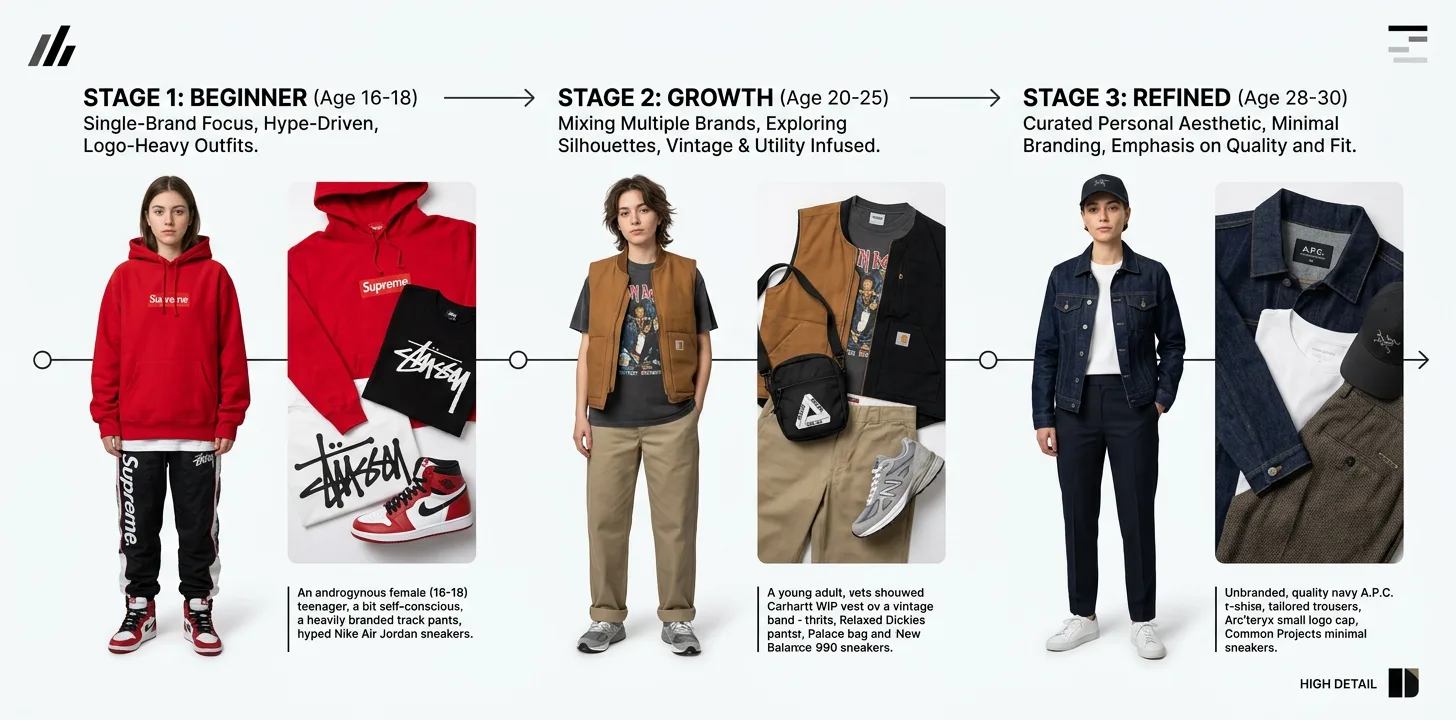
Style in streetwear is not instant. It develops through exposure, experimentation, and time. A person’s streetwear aesthetic at 16 looks different from their style at 30, and it should. The evolution reflects growth, changing tastes, and deepening engagement with the culture.
The Early Stages: Brand-Focused
The early stages of streetwear style tend to be brand-focused. A person discovers a brand they connect with and builds their wardrobe around it. The brand’s aesthetic becomes their aesthetic. This is a natural starting point because it provides a framework.
The Growth Phase: Mixing References
Over time, the style broadens. The person discovers other brands, other aesthetics, and other ways of combining pieces. They start mixing references. They develop preferences that are their own rather than borrowed from a single source. The wardrobe becomes a curated collection rather than a catalog of one brand’s output.
Explore streetwear essentials that form the foundation of any versatile streetwear wardrobe.
The Refined Stage: Unmistakably Personal
The most developed streetwear style is the one that looks like it could only belong to that person. The brands are part of it, but they are not the whole of it. The person’s choices, combinations, and sensibility are what make it distinct.
The Role of Trial & Error
No one gets their style right immediately. Streetwear, like any form of self-expression, involves trial and error. Buying a piece that does not work out is not a failure. It is information.
The pieces that do not work teach the wearer something about what they are not. That negative feedback is just as useful as the positive feedback from a piece that feels right. Over time, the mistakes get smaller, and the wardrobe becomes more focused.
Experienced streetwear consumers buy less but choose better. They know their preferences. They know which brands align with their identity. They know which pieces will fit into their existing wardrobe and which ones will sit unused. That refinement is the result of years of trial and error.
Style as Communication
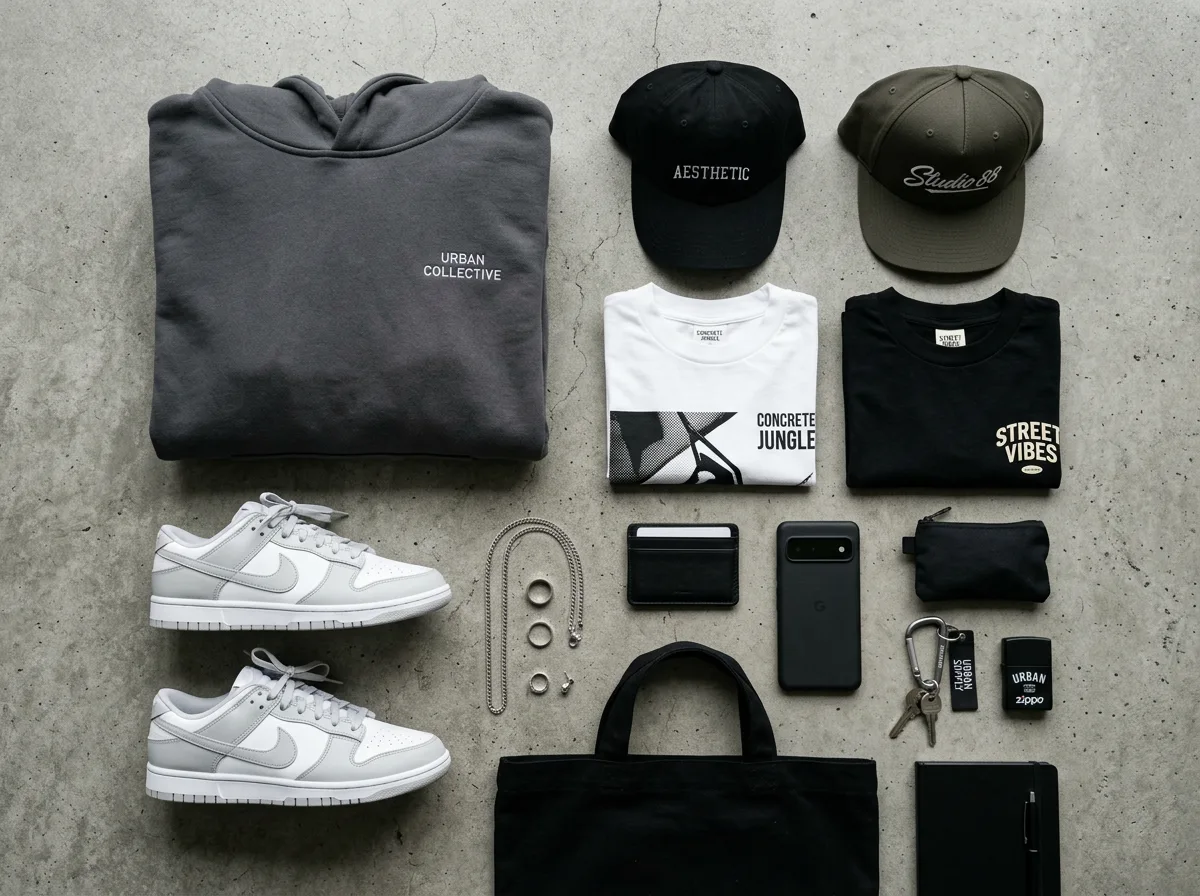
Every outfit communicates something. In streetwear, that communication is intentional and layered.
A person wearing Baltimore-inspired apparel in Baltimore is communicating city pride to people who share that reference. The same person wearing that brand in another city is introducing that culture to a new audience. The communication shifts based on context, but the intent remains.
Visual Language Elements
Graphics, logos, and colorways all contribute to what an outfit says:
- A loud graphic demands attention and invites conversation
- A subtle logo signals insider knowledge
- A tonal outfit with minimal branding says that the wearer is confident enough in their style not to rely on visible labels
The way pieces are combined also communicates. Streetwear styling is not about following rules. It is about creating combinations that feel authentic. Mixing a streetwear hoodie with tailored pants or pairing a graphic tee with workwear tells a story about the wearer’s range and influences.
How Streetwear Communicates Without Words
The best streetwear outfits tell a story without the wearer saying anything. Someone walks into a room, and the people who recognize the brands, the references, and the styling choices already know something about that person.
This wordless communication is one of the things that makes streetwear culture sticky. It creates a shared language among people who engage with it. Two strangers wearing pieces from the same brand recognize each other as part of the same community. That recognition builds connection in a way that verbal introductions do not.
The shared language extends beyond brand recognition. It includes an awareness of how pieces should be worn, what combinations work, and what styling choices signal knowledge of the culture. People who speak this language notice the details. A hat tilted a certain way, a hoodie layered in a specific manner, a colorway that references a particular release: these are all parts of the conversation.
The Influence of Place on Style
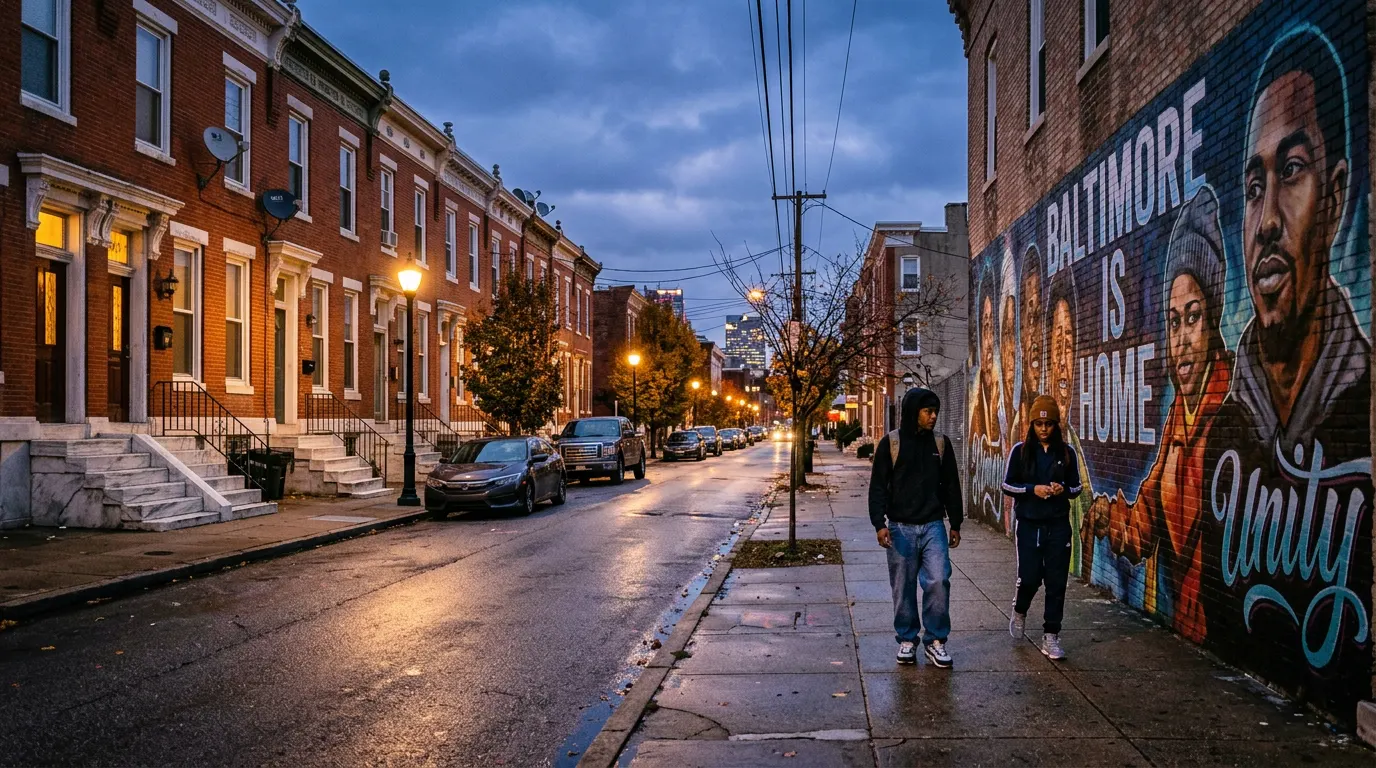
Where someone lives shapes their streetwear style. The climate, the culture, the local brands, and the community all influence what people wear and how they wear it.
A person in Baltimore dresses differently than a person in Miami, not just because of the weather but because of the cultural context. The local brands available, the music that dominates, the neighborhoods that influence design: all of these factors create a regional style that is recognizable to insiders.
Place-based style is one of the strongest aspects of streetwear. It means that the culture is not homogeneous. It varies from city to city, and that variation keeps things interesting. A streetwear event in one city looks and feels different from one in another because the people attending bring their local flavor with them.
Learn more about how Baltimore influences modern streetwear design and discover the unique characteristics of Baltimore streetwear culture.
How Travel Expands Style
Travel exposes streetwear consumers to brands, aesthetics, and styling approaches they would not encounter at home. Picking up a piece from a brand in another city and incorporating it into a wardrobe based in a different city creates a personal mix that is not available to anyone who stays in one place.
This cross-pollination of local styles is one of the ways streetwear evolves. Ideas move between cities through the people who carry them. A styling choice that starts in one community can appear in another, adapted to fit the local context. The culture grows through this exchange without losing its local roots.
🛍️ Shop Baltimore Streetwear Style
Ready to express your personal style? Explore BEL LLC’s curated collection of Baltimore-inspired streetwear that combines local culture with authentic urban fashion.
Why It Matters
Personal expression through streetwear style matters because it is one of the most accessible forms of self-expression available. It does not require a stage, a gallery, or a platform. It just requires a wardrobe and the willingness to be intentional about what goes in it.
For the Culture
For the culture, personal expression keeps streetwear from becoming a uniform. When people are encouraged to develop their own style rather than copy a template, the culture stays dynamic. New combinations, new ideas, and new interpretations emerge continuously because individuals are making choices based on their own identity.
For the Industry
For the industry, personal expression drives demand for a wide range of brands and products. If everyone wore the same thing, only a few brands would thrive. Because people express themselves differently, there is room for brands of all sizes and aesthetics to find an audience. That diversity of demand supports the diversity of supply that makes streetwear interesting.
For the Individual
For the individual, developing a personal streetwear style builds confidence, creates community connections, and provides a daily practice of intentional self-expression. It transforms getting dressed from a routine into a creative act.
Mistakes & Misconceptions About Streetwear Style
Misconception 1: Streetwear Style Requires Following Hype
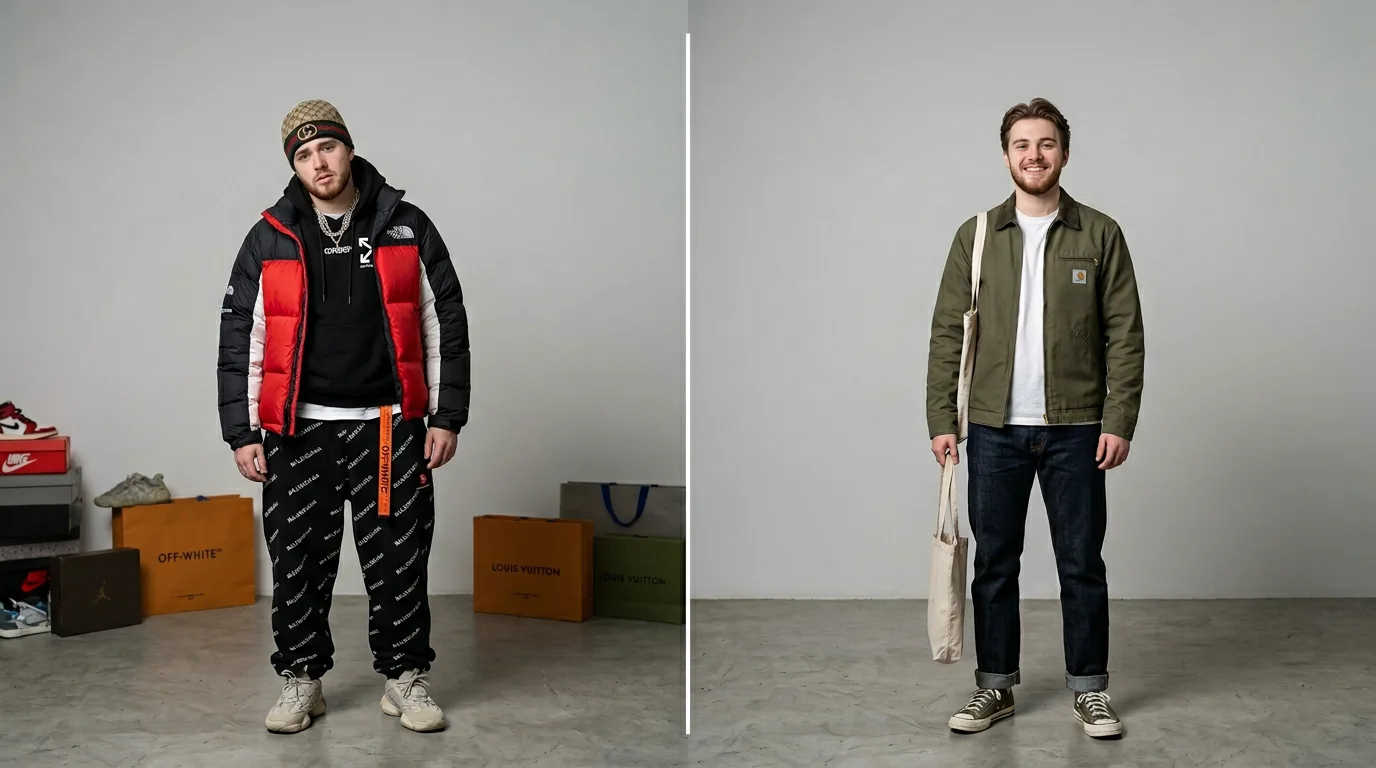
The most common misconception is that streetwear style requires following hype. It does not. Hype and personal style are often at odds. Chasing hype leads to a wardrobe full of pieces chosen for their social currency rather than their personal resonance. That wardrobe looks curated but feels hollow.
Misconception 2: Streetwear Style Has to Be Loud
Another mistake is thinking that streetwear style has to be loud. It does not. Some of the most respected people in the culture dress with restraint. Tonal outfits, subtle branding, and clean lines can communicate just as much as a graphic-heavy ensemble. The key is intention, not volume.
Misconception 3: Expensive Brands Are a Prerequisite
Some people believe that wearing expensive brands is a prerequisite for streetwear style. Price has nothing to do with it. A well-styled outfit from accessible brands carries more weight than an expensive outfit thrown together without thought. Style is about how pieces are chosen and combined, not about how much they cost.
Discover how independent streetwear brands compete with mainstream labels through authenticity rather than price points.
Misconception 4: Streetwear Style Is Static
There is also the misconception that streetwear style is static. It should evolve. The same person should not dress the same way at 25 as they did at 18. Growth is natural, and the style should reflect it. Holding on to an old formula because it worked before prevents the kind of evolution that keeps a personal style interesting.
Misconception 5: Copying Is a Valid Approach
Finally, some people think that copying someone else’s style is a valid approach. It is not. Inspiration is fine. Imitation is a dead end. The point of streetwear style is that it is personal. Taking someone else’s formula wholesale defeats the purpose. Use what resonates as a starting point, then build from there.
Frequently Asked Questions
How to Develop a Personal Streetwear Style
Start by paying attention to what resonates. Notice which brands, graphics, colorways, and silhouettes consistently catch your eye. Build a wardrobe around those preferences, starting with streetwear essentials and adding from there. Over time, your choices will become more refined, and a recognizable style will emerge. The process takes time, and that is the point.
Action Steps:
- Identify 3-5 brands that align with your values
- Start with basics: quality tees, sweatshirts, and headwear
- Experiment with combinations before adding statement pieces
- Document what works (photos help track evolution)
- Refine based on what feels authentic
Why Streetwear Style Varies by City
Every city has its own culture, and that culture shows up in how people dress. Local brands, regional music scenes, climate, and community values all influence streetwear style in a particular area. A person from Baltimore carries Baltimore culture in their wardrobe. A person from another city carries something different. That variation is one of the strengths of streetwear as a culture.
How Streetwear Style & Fashion Trends Interact
Trends pass through streetwear fashion, but they do not define it. A person with a developed streetwear style might incorporate a trend when it fits, but they do not restructure their wardrobe around it. Trends are temporary. Style is ongoing. The best approach is to engage with trends selectively and let personal preference guide the decisions.
What Role Brands Play in Streetwear Style
Brands provide the building blocks. They offer the pieces that individuals use to construct their style. But the brand is not the style. The style is what the individual does with the brand’s products. A person who wears one brand head-to-toe has a different approach than a person who mixes five brands in a single outfit. Both are valid, but the style comes from the wearer, not the label.
Understand what defines a modern streetwear brand and how they contribute to individual style development.
How Streetwear Style Influences Other Fashion Categories
Streetwear style has influenced casual wear, workwear, and even formal fashion. The relaxation of dress codes, the acceptance of sneakers in professional settings, and the integration of graphic elements into mainstream clothing all trace back to streetwear. The influence moves outward from the culture into the broader fashion world, and it continues to expand as more people engage with streetwear as a lifestyle.
Wear Baltimore With Pride
Express your personal streetwear style with Baltimore-inspired pieces that reflect authentic urban culture.
Conclusion
Streetwear style is the point where culture meets the individual. The culture provides the brands, the references, and the community. The individual provides the choices, the combinations, and the identity. The result is a way of dressing that is personal, intentional, and rooted in something larger than clothing.
Personal expression is the engine that keeps streetwear moving forward. Every person who gets dressed with intention contributes to the culture. Every outfit that tells a story adds to the collective conversation. The style is not the clothes. The style is the person wearing them.
Whether you’re just beginning to explore streetwear apparel or you’re refining a style you’ve developed over years, remember that authenticity beats trends every time. Your streetwear style should reflect who you are, where you come from, and what matters to you.
About BEL LLC
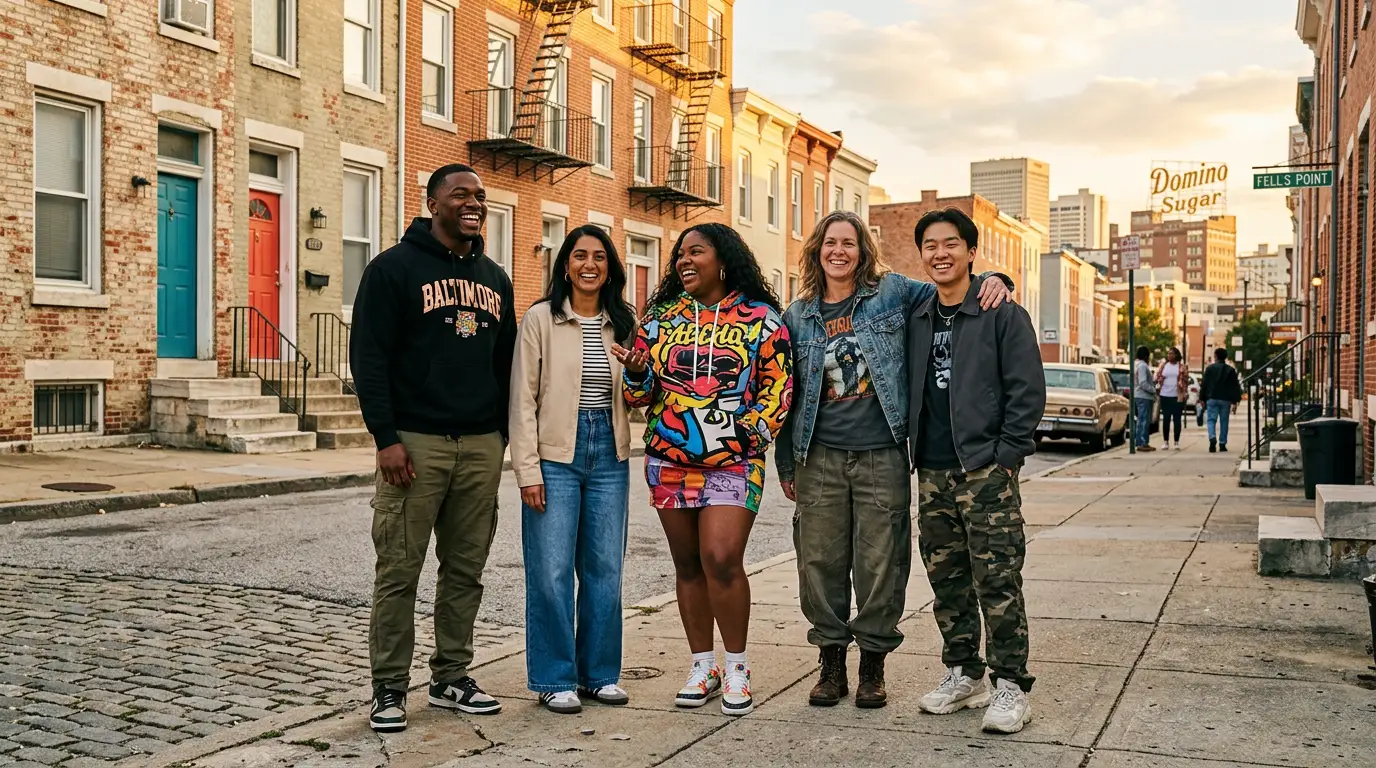
BEL LLC is a Baltimore-based streetwear brand dedicated to celebrating local culture through authentic urban fashion. We believe that streetwear style is personal expression, and every piece we create is designed to help individuals tell their own story while representing Baltimore pride.
Explore More:
Related Articles
Continue Reading:
- Streetwear Culture: How Identity Shapes a Brand – Explore the deep connection between cultural identity and streetwear brands
- Baltimore Streetwear Brand: Local Culture Meets Urban Style – Discover how Baltimore’s unique culture influences streetwear design
- Streetwear Essentials That Define Modern Wardrobes – Build your foundation with must-have streetwear pieces
- What Defines a Modern Streetwear Brand – Understanding the elements that make streetwear brands authentic
- Independent Streetwear Brand vs Mainstream Labels – Compare different approaches to streetwear authenticity