What Is Streetwear Apparel?
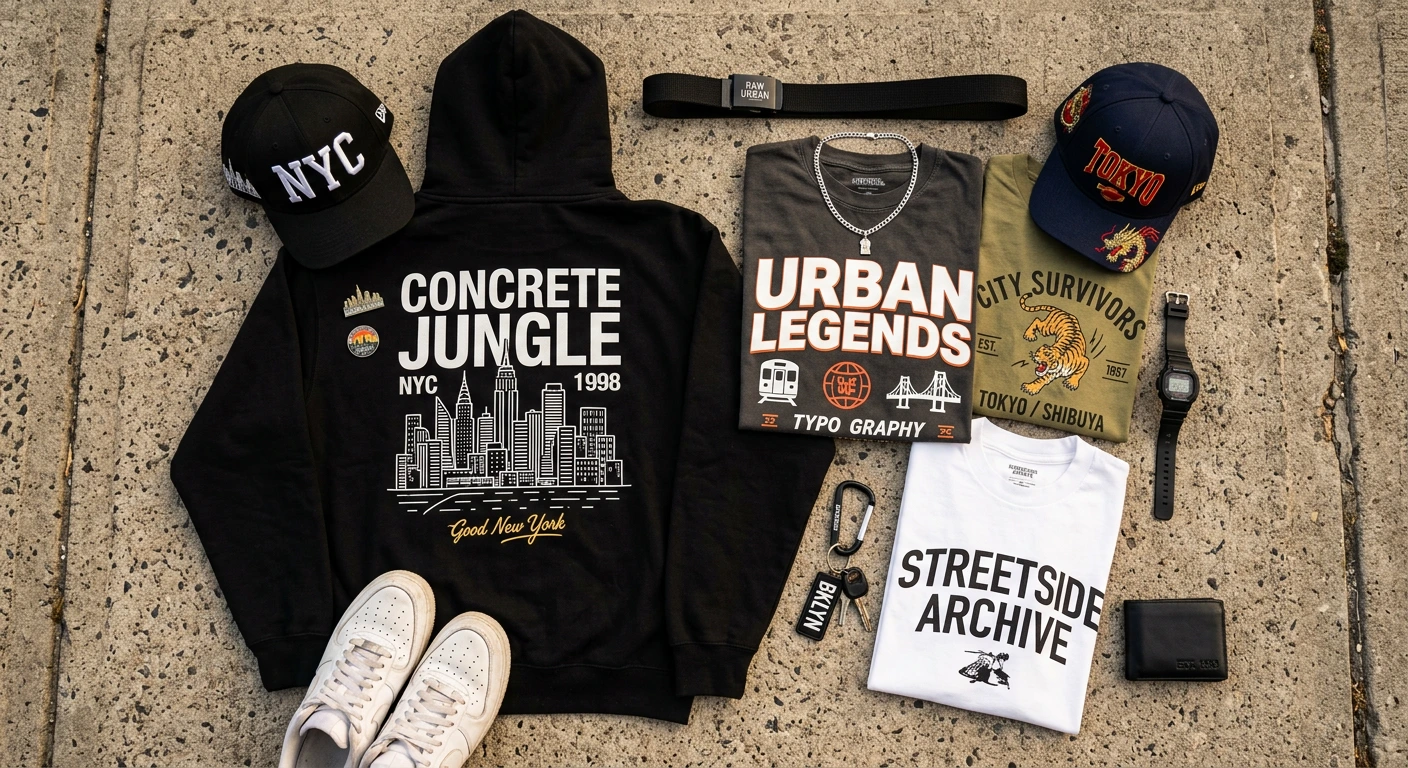
Streetwear apparel is clothing rooted in urban subcultures—skateboarding, hip-hop, punk, and graffiti—that prioritizes cultural identity and self-expression over mainstream fashion trends. It includes graphic tees, oversized hoodies, snapback caps, and limited-edition pieces designed to communicate belonging and values.
Streetwear apparel gets reduced to product categories too often. People see hoodies, graphic tees, and snapbacks and assume the conversation ends there. It does not. Streetwear apparel carries culture, identity, and intention in ways that other clothing segments do not attempt. The garments are the surface. What sits underneath is a system of community, self-expression, and resistance to the mainstream that has been building for over four decades.
How Streetwear Apparel Became a Cultural Vehicle
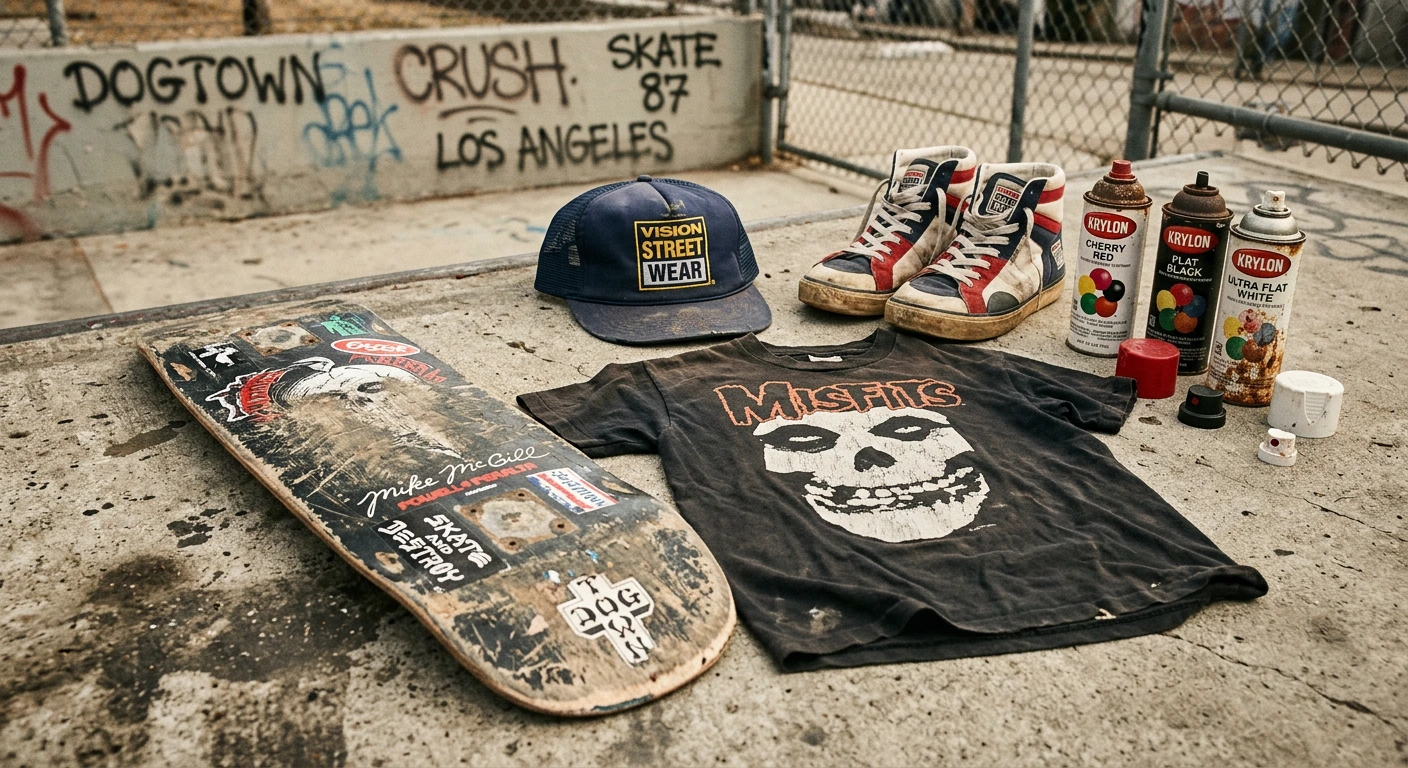
Streetwear started as clothing made by and for people who existed outside of mainstream fashion. Skaters, graffiti writers, hip-hop heads, and punk musicians did not have brands speaking to them in the 1980s. So they made their own. The apparel that came out of those communities was not designed to impress buyers at department stores. It was designed to communicate belonging.
That function has never changed. The scale has grown. The brands have multiplied. The money involved has increased. But the core purpose of streetwear apparel remains the same: it tells someone who you are before you say a word.
A t-shirt from a brand rooted in Baltimore does not just cover your chest. It announces where you come from, what culture you align with, and what values you carry. That is a lot of weight for a piece of cotton. But that weight is exactly what separates streetwear apparel from everything else on the rack.
The Shift from Function to Identity
Early streetwear served a practical purpose. Skaters needed durable clothing that could handle falls and movement. Hip-hop artists needed clothes that matched the energy of their music and performances. The apparel was functional first.
Over time, the function shifted. The clothing still needed to hold up physically, but the primary role became communication. People started choosing streetwear not because they needed something to wear but because they wanted to say something by wearing it. That shift turned apparel into a language.
Today, streetwear apparel operates on both levels simultaneously. It has to be well-made enough to wear daily, and it has to carry meaning that the wearer connects with. Brands that deliver on both fronts earn loyalty. Brands that miss on either one lose their audience.
What Sets Streetwear Apparel Apart from Other Clothing
The product types in streetwear overlap with casual wear, athletic wear, and even workwear. T-shirts, hoodies, pants, hats, and jackets show up in all of those categories. The distinction is not in the garment. It is in the intention behind it and the system around it.
Streetwear culture is designed with cultural references baked into it. A graphic is not placed on a shirt to fill empty space. It references something: a city, a movement, a moment, a philosophy. The person who buys it recognizes that reference and chooses to carry it.
Key Differentiators of Streetwear Apparel:
- Cultural storytelling through graphics and design
- Limited production runs creating scarcity
- Direct-to-consumer sales models
- Community-driven brand loyalty
- Pricing that reflects cultural value, not just material cost
The distribution model also sets streetwear apart. Limited runs, direct-to-consumer sales, and pop-up events create a buying experience that is different from walking into a chain store and grabbing something off a rack. The way the apparel reaches the consumer is part of the culture.
Pricing in streetwear reflects production scale and cultural value rather than just material cost. A shirt from a brand that produces 200 units costs more per piece to make than a shirt from a brand that produces 200,000. But the buyer is also paying for scarcity, story, and connection to a community.
The Role of Graphics in Streetwear Apparel
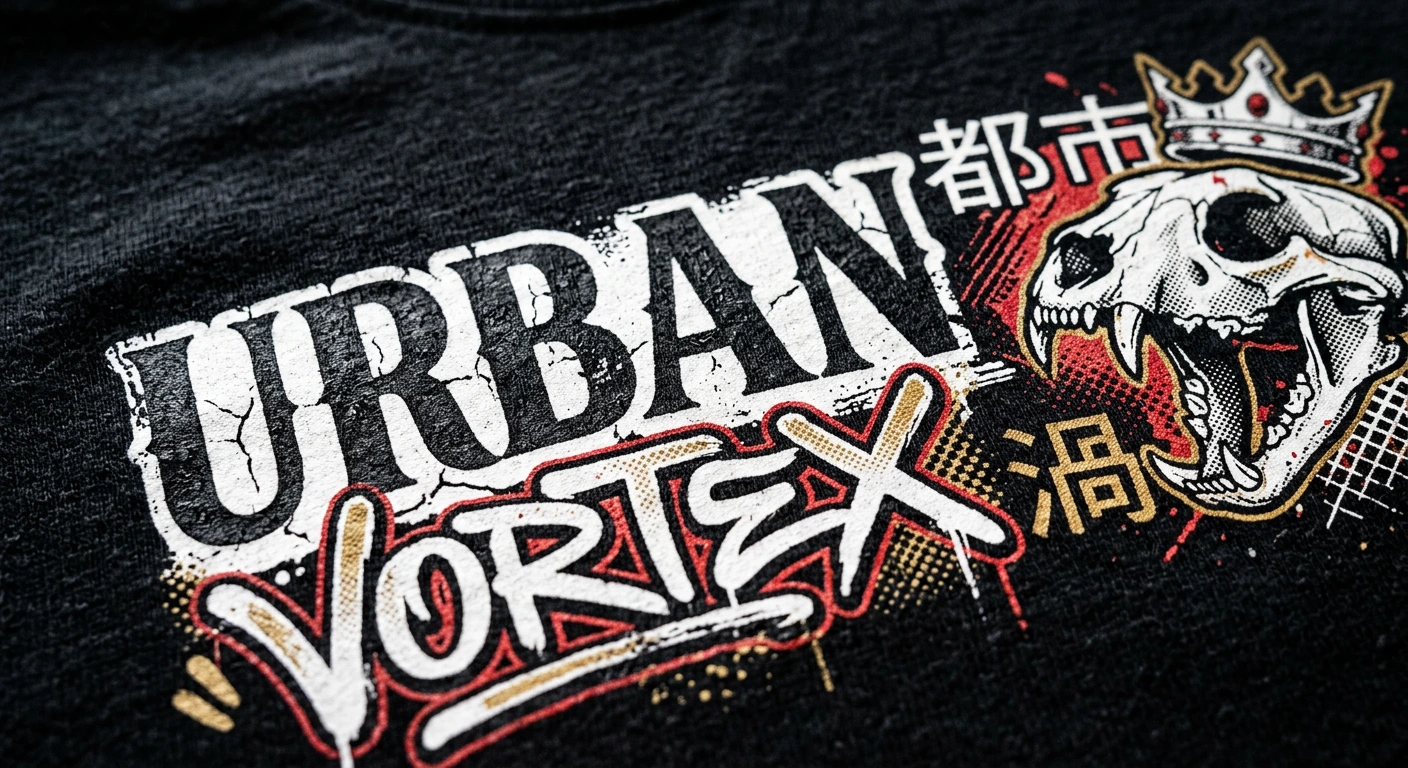
Graphics are the most visible element of streetwear apparel. They do the talking. A well-executed graphic on a hoodie or a tee communicates the brand’s identity in a single glance.
In streetwear, graphics function as cultural shorthand. A design that references a specific neighborhood tells insiders that the wearer belongs to that world. A graphic that pulls from a music scene signals alignment with that community. These are not random images. They are chosen with purpose.
The placement, scale, and style of the graphic all matter. A chest logo carries a different energy than a full back print. A hand-drawn illustration communicates something different from a typographic design. Every choice sends a signal, and the audience in this space reads those signals closely.
Graphic streetwear serves as the visual language that connects wearers to their communities and values.
Types of Streetwear Apparel
Understanding the different categories helps build an authentic streetwear wardrobe:
Core Streetwear Pieces
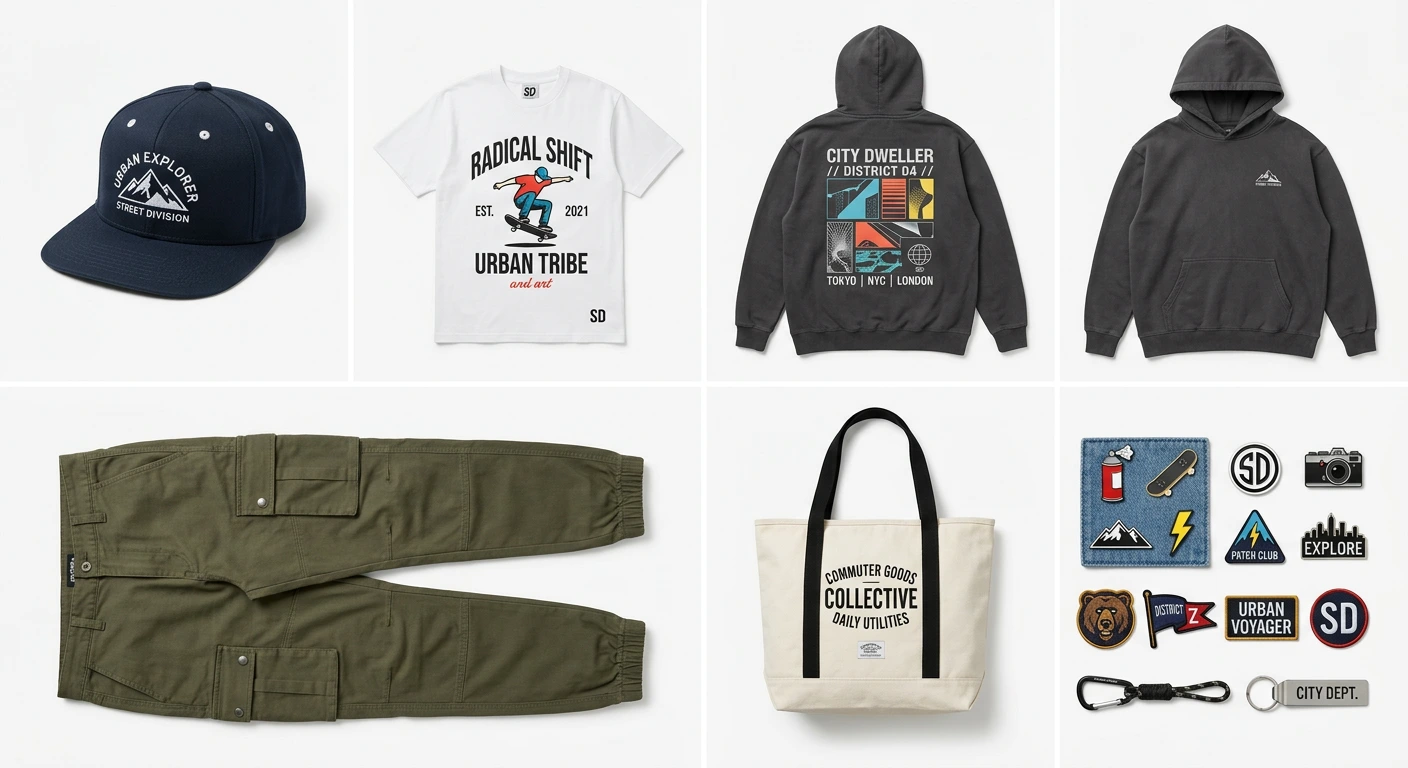
Graphic T-Shirts
The foundation of any streetwear wardrobe. Baltimore t-shirts often feature local landmarks, cultural references, and community-specific designs that tell a story.
Hoodies & Crewneck Sweatshirts
Year-round staples that serve as canvases for bold designs and meaningful graphics. Baltimore clothing brands excel at creating hoodies that represent local pride.
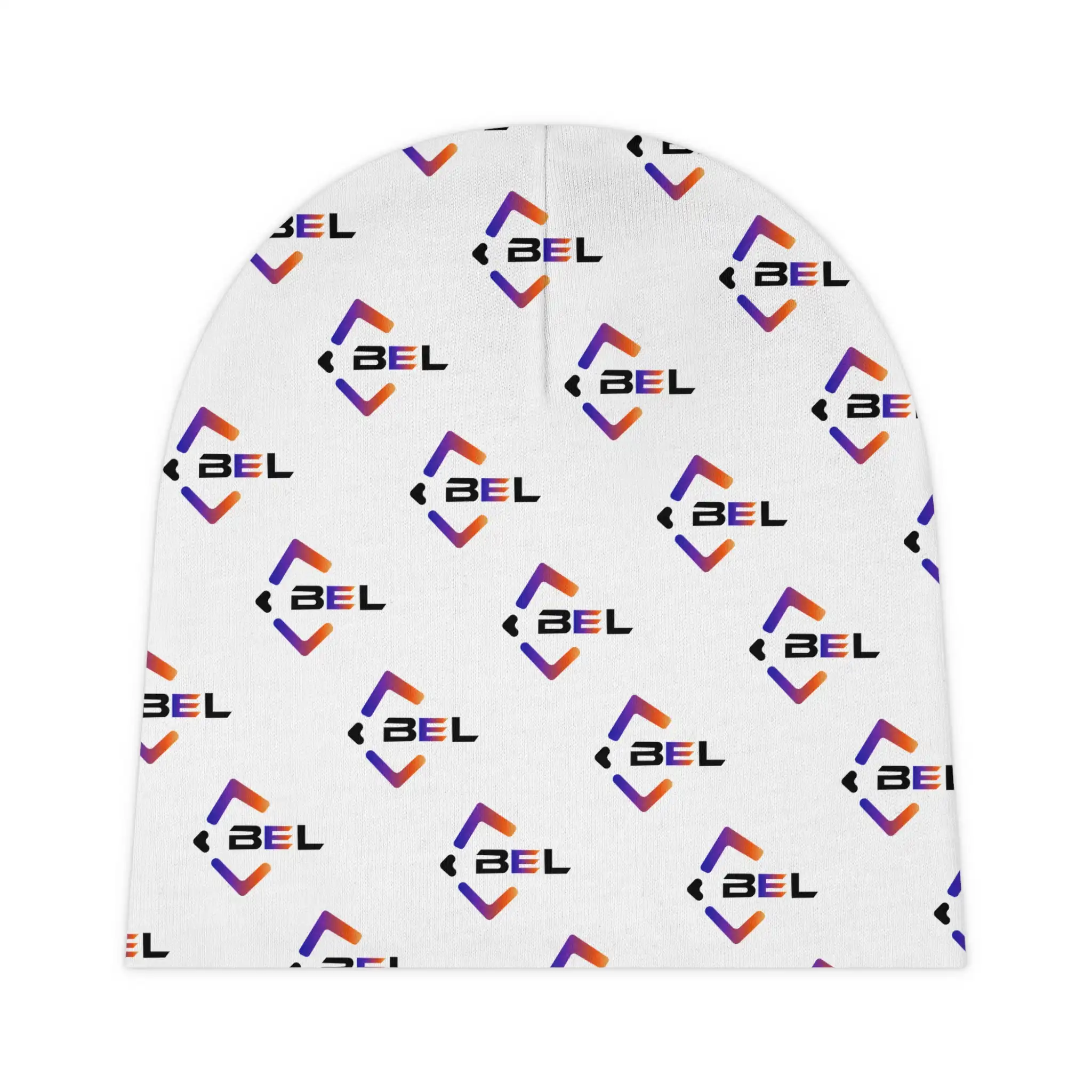
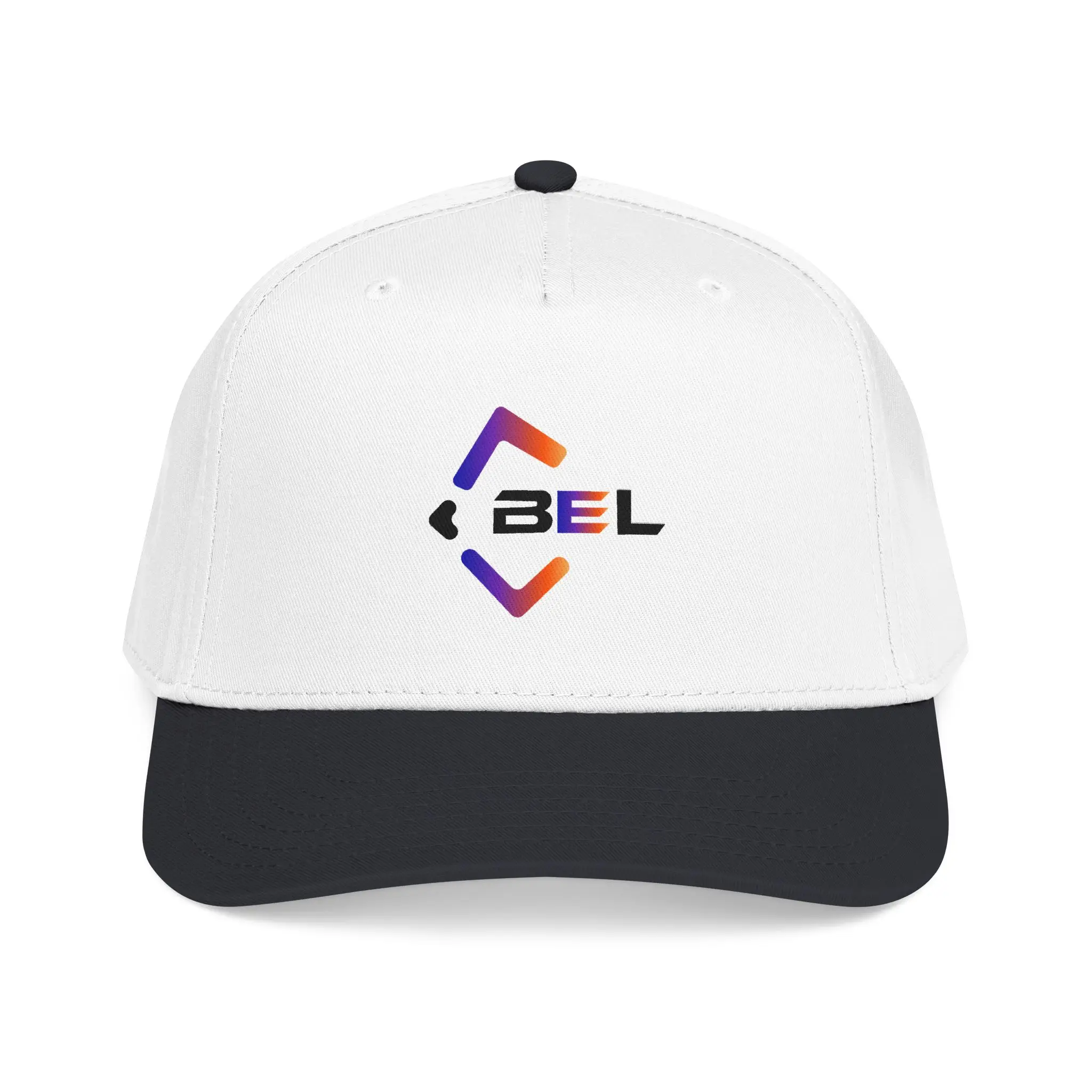
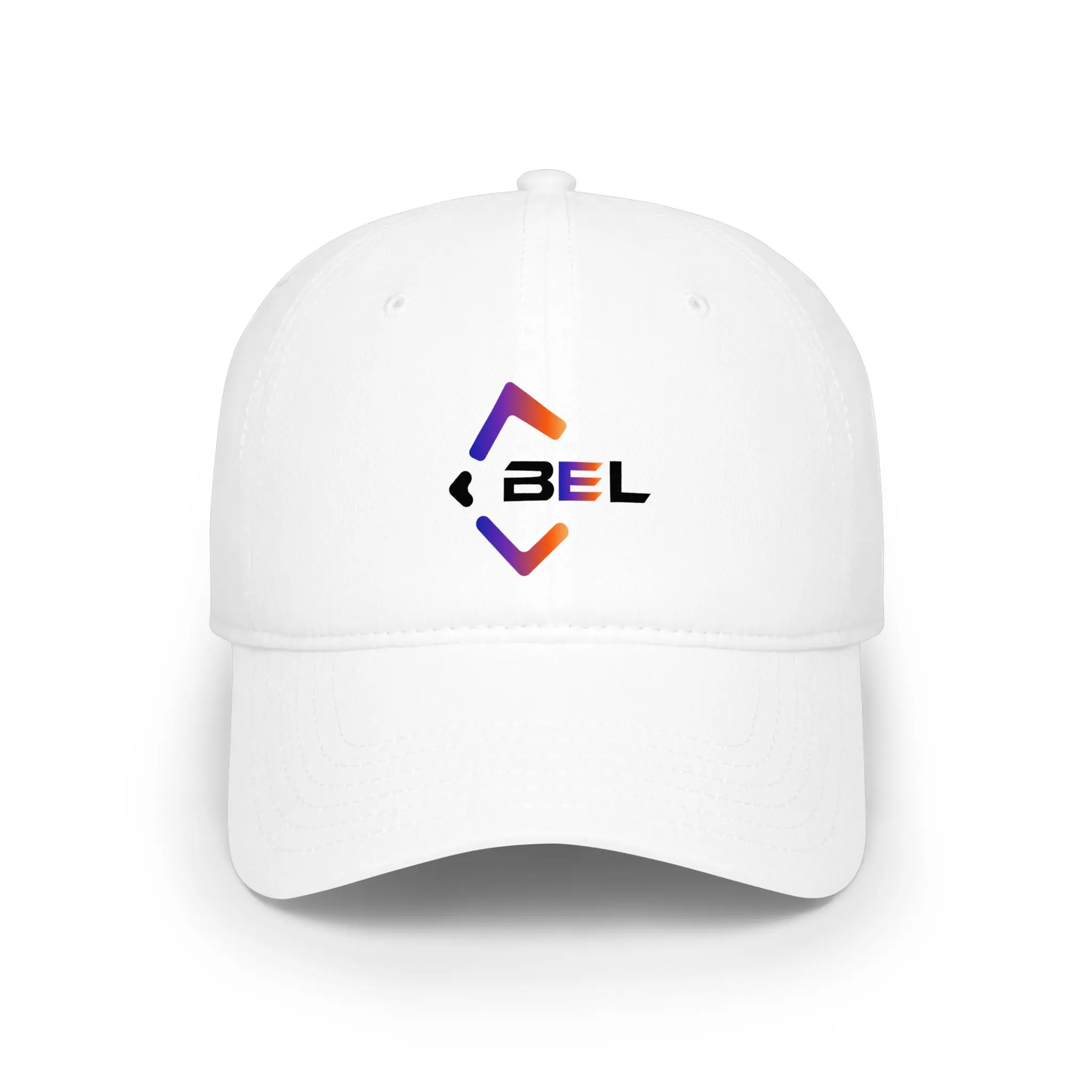
Snapbacks, Dad Hats & Beanies
Headwear in streetwear carries cultural significance beyond function. Baltimore hats communicate city pride and style simultaneously.
Cargo Pants & Joggers
Functional bottoms with street edge that balance comfort with aesthetic.
Outerwear
Bombers, coaches jackets, and windbreakers complete the streetwear look with seasonal versatility.
Accessories
Tote bags, pins, patches, and other accessories extend the streetwear aesthetic into everyday life.
Streetwear Apparel & Self-Expression
Clothing has always been a form of self-expression, but streetwear takes that function further than most categories. In streetwear, the choice of what to wear is a declaration. It says something about where the person comes from, what they believe, and how they see themselves in the world.
This is why streetwear consumers are selective. They do not buy impulsively the way someone might grab a sale item at a fast-fashion retailer. They research brands. They follow releases. They choose pieces that align with their identity. The purchase is personal.
Self-expression through streetwear also extends beyond the individual. When a group of people wears the same brand, it creates a visible community. That shared display of identity strengthens the bond between the members and between the community and the brand. The apparel becomes a uniform of choice.
How Streetwear Fashion Enables Personal Expression:
- Communicates cultural affiliation without words
- Displays values and beliefs visually
- Creates community through shared aesthetic choices
- Allows mixing of influences (skate, hip-hop, punk, local culture)
- Provides creative freedom in styling and layering
Streetwear fashion trends continue to evolve while maintaining this core function of personal expression.
Why Streetwear Consumers Care About the Brand Behind the Product
In most clothing categories, consumers care about fit, fabric, and price. In streetwear, they also care about who made it, why they made it, and what the brand stands for. The story behind the apparel matters as much as the apparel itself.
This is because wearing a streetwear brand is an endorsement. The wearer is saying: I align with this. If the brand has roots in a city, the wearer is claiming that city. If the brand supports a movement, the wearer is signaling support for that movement. That endorsement only works if the brand is genuine.
Independent streetwear brands operate with transparency that mainstream labels cannot replicate. Brands that manufacture an identity without living it get exposed. The streetwear audience is not passive. They dig into backgrounds, ask questions, and share information with each other. A brand cannot fake substance in this space for long.
The Economics of Streetwear Apparel
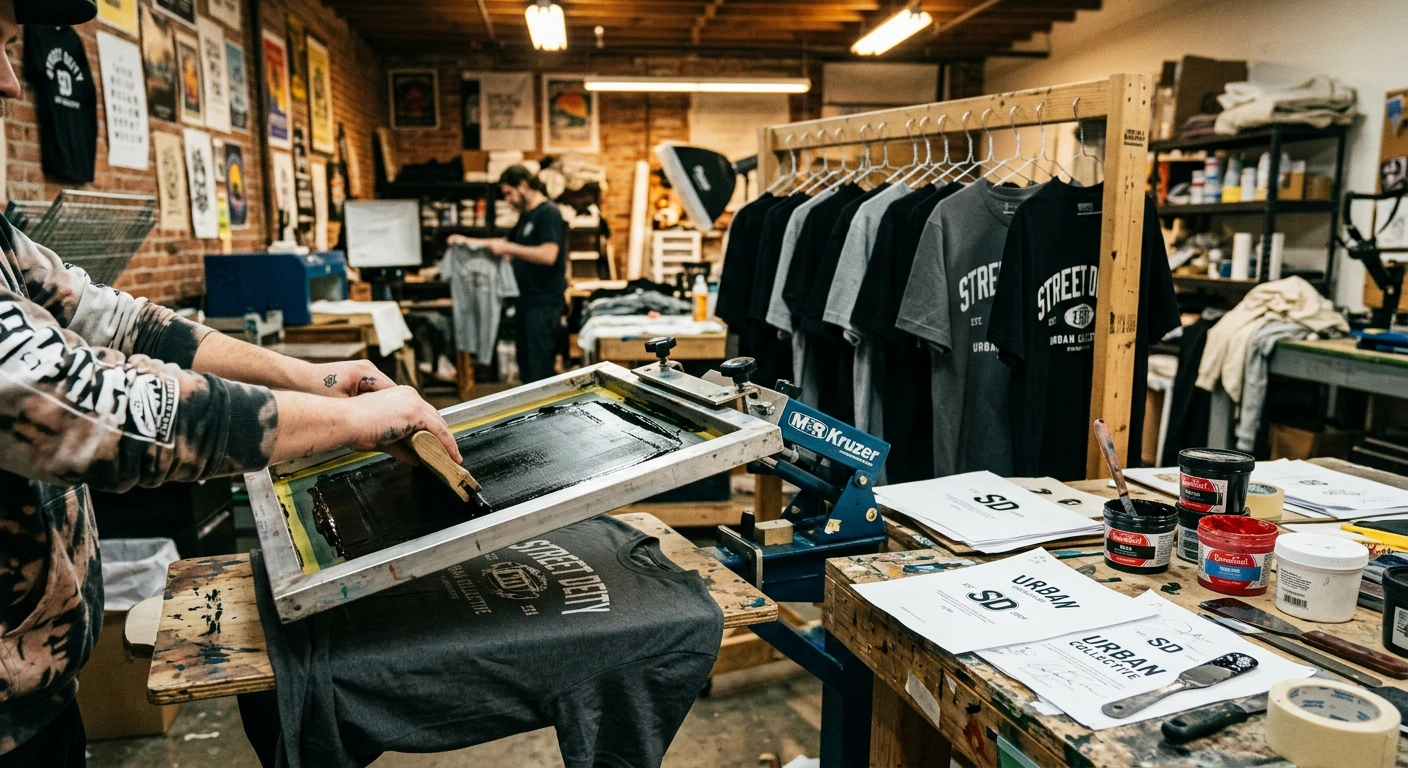
The business side of streetwear operates differently from mainstream fashion. Production runs are smaller. Marketing budgets are tighter. Distribution channels are narrower. But the margins can be strong because the audience is willing to pay for meaning.
Small production runs increase the per-unit cost of manufacturing. A brand printing 100 shirts pays more per shirt than a brand printing 10,000. That cost gets built into the retail price. But the consumer in streetwear is not just paying for cotton and ink. They are paying for the design, the story, and the scarcity.
The direct-to-consumer model that most streetwear brands use eliminates the middleman. The brand sells through its own website or at its own events. This keeps margins healthier and allows the brand to control the customer experience from start to finish.
Streetwear Apparel Pricing Tiers:
Entry-Level ($20-$50)
- Basic graphic tees
- Simple caps and accessories
- Introductory pieces from emerging brands
Mid-Range ($50-$150)
- Premium hoodies and sweatshirts
- Limited-edition graphic tees
- Quality headwear and accessories
- Baltimore pride gear often falls in this category
Premium ($150-$500+)
- Collaborative releases
- Limited runs from established brands
- Specialty outerwear
- Collectible pieces
Resale markets add another economic layer. Pieces from limited runs often appreciate in value after they sell out. This secondary market creates additional incentive for consumers to buy early and hold on to pieces. It also reinforces the cultural value of the apparel. Something that goes up in price after purchase is something the market considers worth having.
Why Small Brands Can Compete
The economics of streetwear favor small brands in ways that other industries do not. A one-person operation with a strong point of view and a connection to a community can build a following without venture capital or corporate backing.
Social media levels the promotional playing field. A well-timed post from the right person can reach the same audience that a mainstream brand pays millions to access. The difference is that the small brand’s reach comes with credibility attached, while the mainstream brand’s reach comes with skepticism.
Small brands also have the advantage of speed. They can go from concept to product in weeks, while a mainstream label takes months to move through approval chains. That speed allows small brands to respond to cultural moments in real time, keeping their apparel relevant and timely.
New streetwear brands continue to emerge because the barriers to entry reward authenticity over capital.

Baltimore Streetwear: Where Local Culture Meets Urban Fashion
Baltimore has developed its own distinct streetwear identity. The city’s culture—its neighborhoods, music scene, and community spirit—shows up in the designs, language, and values of Baltimore streetwear brands.
Local streetwear apparel carries references that resonate deeply with people from the area. When someone wears a Baltimore pride shirt, they are not just wearing a shirt. They are representing the city, claiming their connection to its culture, and participating in a community of people who share that pride.
This geographic specificity is one of streetwear’s strengths. A brand cannot replicate Baltimore culture from Los Angeles any more than it can replicate LA culture from Baltimore. The local connection is what makes the apparel meaningful.
What Makes Baltimore Streetwear Unique:
- Deep neighborhood pride and representation
- References to local landmarks and cultural moments
- Community-focused design philosophy
- Baltimore-themed apparel that serves as wearable city identity
- Connection between urban culture and everyday style
Building Your Streetwear Apparel Collection
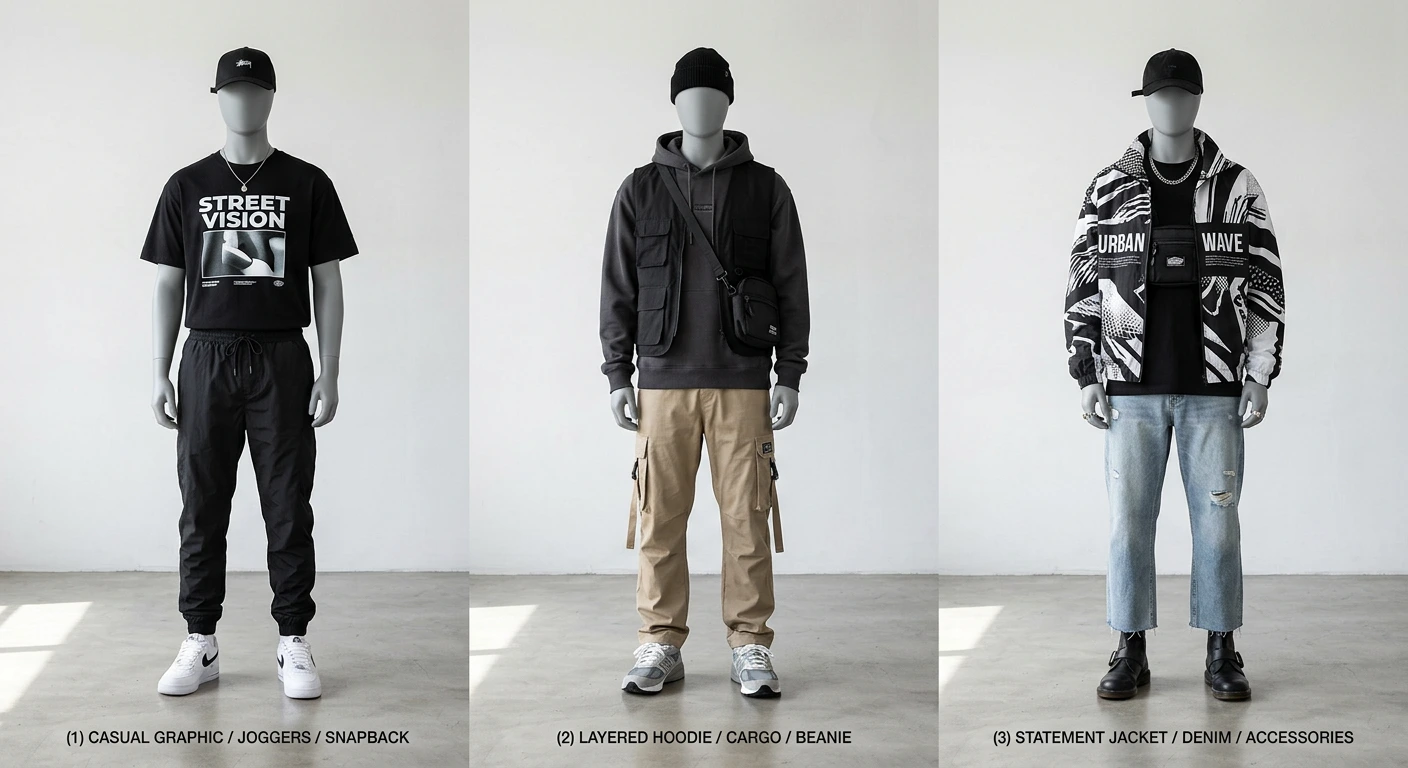
Whether you are new to streetwear or expanding an existing wardrobe, building a collection should be intentional.
For Beginners: Start With One Statement Piece
Choose a graphic tee from a brand whose story resonates with you. Wear it. See how it fits into your life and style. If the brand connects, go deeper.
Recommended starter pieces:
- One quality graphic t-shirt with cultural meaning
- A versatile dad hat or snapback
- A classic hoodie in a neutral colorway
For Intermediate Collectors: Layer and Experiment
Start combining pieces, experimenting with accessories, and exploring local brands that represent your values.
Build your collection with:
- Multiple hoodies and crewnecks for layering
- Streetwear accessories like tote bags and pins
- Pieces from independent brands with strong community ties
For Advanced Enthusiasts: Invest and Connect
Focus on limited releases, support emerging brands, and build relationships with the makers behind the apparel.
Advance your collection through:
- Limited-edition collaborations
- Supporting local brands before they scale
- Participating in brand communities and events
- Exploring Baltimore fashion at the source
Start building your streetwear collection →
Why It Matters
Streetwear apparel matters because it gives people something that mass-market fashion does not: a way to wear their identity. The clothes are not disposable. They are not seasonal. They are not designed to appeal to the widest possible audience. They are designed to speak to a specific group of people who share a specific set of values and experiences.
That specificity is the strength. In a market flooded with generic options, streetwear apparel stands out because it means something. The wearer chose it for a reason. The brand created it with a purpose. The transaction is not just commercial. It is cultural.
For the industry, streetwear apparel continues to push fashion in directions that corporate boardrooms would never approve. The ideas that start in small studios and local communities end up influencing what shows up on runways and in mainstream stores years later. According to Business of Fashion, streetwear is where fashion innovation begins, even if it rarely gets that credit.
Mistakes & Misconceptions About Streetwear Apparel
The most common misconception is that streetwear apparel is defined by price. It is not. There are streetwear brands at every price point. What defines the apparel is its connection to culture and community, not the number on the tag.
Another misconception is that streetwear is only for men. The culture has always included women, and the apparel reflects that. Many brands produce pieces that work across body types, and the audience has never been limited to one gender. Baltimore lifestyle clothing is designed for everyone who connects with the culture.
Common Streetwear Apparel Myths:
Myth: All streetwear is expensive
Reality: Streetwear exists at all price points from $20 tees to $500 limited editions
Myth: Streetwear is only for young people
Reality: Age is irrelevant—cultural connection is what matters
Myth: Streetwear is low quality
Reality: Many independent brands invest heavily in materials and construction because reputation depends on it
Myth: All streetwear looks the same
Reality: The aesthetic range is wide—from minimalist to maximalist, workwear-influenced to sport-adjacent
Myth: Streetwear is just a trend
Reality: Streetwear has sustained and grown for over 40 years as a cultural movement
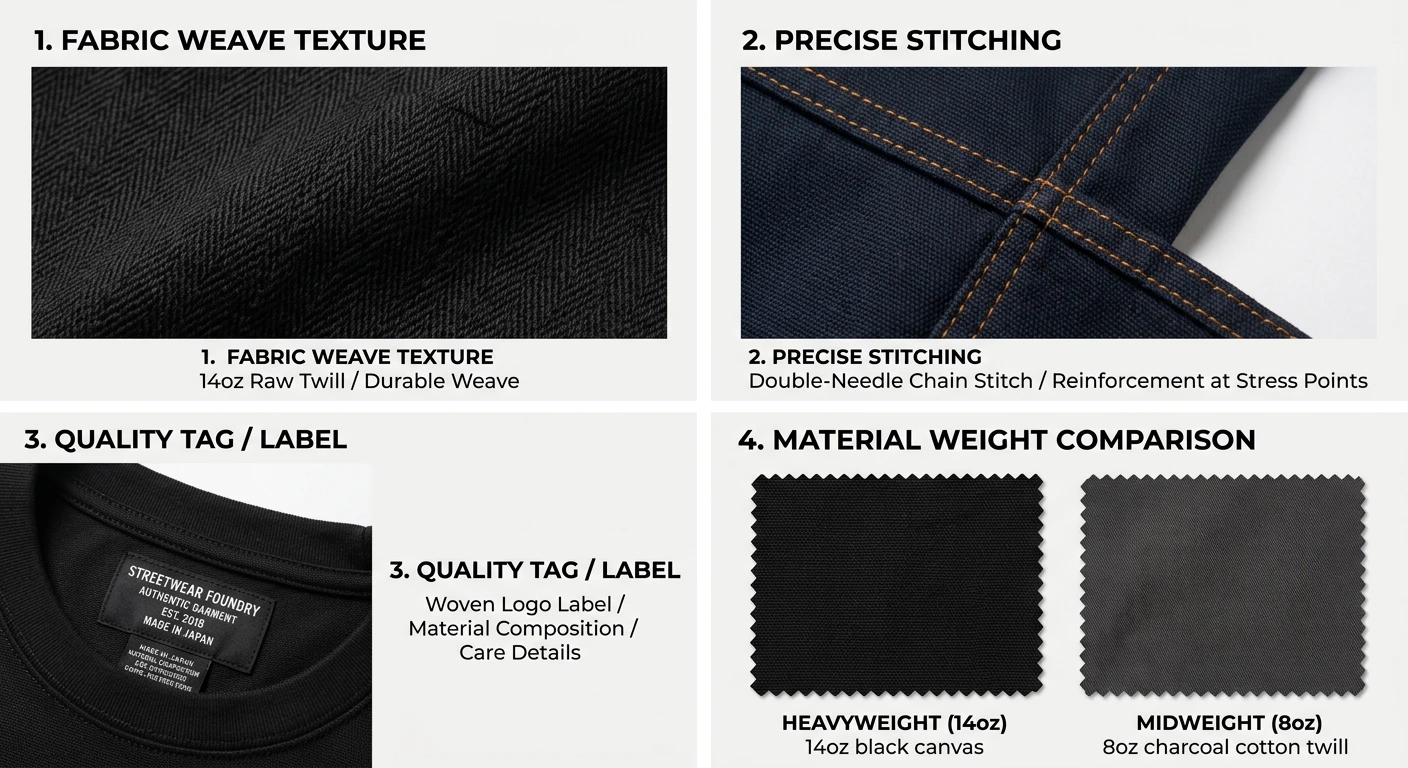
Some people assume that streetwear apparel is low quality because it comes from small brands. That assumption is wrong more often than it is right. Many independent streetwear brands invest heavily in material selection and construction because their reputation depends on it. A small brand cannot afford to put out a product that falls apart. The community will talk about it, and that conversation will cost the brand more than the savings on fabric.
There is also the misconception that all streetwear looks the same. The range of aesthetics within streetwear is wide. Some brands lean minimalist. Others go heavy on graphics. Some draw from workwear silhouettes. Others pull from sportswear. The common thread is cultural intention, not visual uniformity.
Finally, some people treat streetwear apparel as costume rather than culture. They put on the clothes without engaging with the community or the story behind the brand. That approach misses the point. Streetwear is participatory. The apparel is the entry point, but the culture is what gives it meaning.
Frequently Asked Questions
How Streetwear Apparel Differs from Athleisure
Athleisure is clothing designed for athletic activity that gets worn in casual settings. Streetwear is clothing rooted in subculture and designed for self-expression. The two overlap in comfort and silhouette, but the motivations are different.
Athleisure prioritizes performance materials and sport-adjacent aesthetics. Streetwear prioritizes cultural references, graphic storytelling, and community connection. A hoodie can be either one depending on who made it and why.
The wearer’s intention also differs. Athleisure is chosen for comfort and versatility. Streetwear is chosen for what it says about the wearer’s identity and affiliations.
Why Streetwear Apparel Holds Its Value
Streetwear apparel holds value because of scarcity and cultural significance. Limited production runs mean fewer pieces exist. Cultural relevance means demand stays strong or grows over time.
Pieces from brands with established communities and recognizable design languages tend to hold or increase in value on the resale market. The value is tied to what the piece means within the culture, not just to the material it is made from.
Items from collaborations, limited drops, and brands with strong cultural moments attached often appreciate significantly. A $50 shirt from a 200-unit run can resell for $150+ years later if the brand and design maintain cultural relevance.
How to Start Buying Streetwear Apparel
Start with a brand that speaks to you. Look at the story, the design language, and the community around it. Begin with an entry-level piece like a t-shirt or a hat. Wear it and see how it fits into your life. If the brand resonates, go deeper with hoodies, outerwear, or accessories.
Step-by-step approach:
- Research brands that align with your values and interests
- Follow them on social media to understand their culture
- Start with one piece—don’t buy a full wardrobe at once
- Wear the piece and see how it integrates into your style
- Engage with the brand community if it feels authentic to you
- Build your collection intentionally over time
The goal is not to accumulate as many pieces as possible. The goal is to build a connection with brands that reflect who you are.
Shop authentic Baltimore streetwear →
What Makes a Streetwear Brand Legitimate
Legitimacy in streetwear comes from consistency, community, and honesty. A brand that shows up with the same point of view over time, that has an audience engaged for reasons beyond hype, and that tells the truth about who it is and where it comes from earns legitimacy.
There is no shortcut. The audience decides, and they take their time.
Markers of legitimate streetwear brands:
- Consistent design philosophy and cultural perspective
- Transparent about production and origins
- Active, engaged community (not just followers)
- Cultural roots that predate the brand’s commercial success
- Quality that matches pricing
- Honesty about inspirations and references
Brands that try to manufacture street credibility without living it get exposed quickly. The streetwear community values authenticity above all else.
How Streetwear Apparel Connects to Local Culture
Streetwear brands rooted in a city draw from that city’s culture in their designs, language, and identity. The apparel carries local references that resonate with people from that area.
A brand based in Baltimore will reflect Baltimore in ways that a brand from another city cannot replicate. That local connection turns the apparel into a symbol of place and belonging, which is one of the strongest selling points in streetwear.
Baltimore culture apparel serves as wearable geography—it announces where you are from and what community you belong to before you speak a word.
Local streetwear often references:
- Neighborhood names and landmarks
- Local slang and linguistic patterns
- City-specific cultural moments
- Regional music and art scenes
- Community values and shared experiences
What Fabrics Work Best for Streetwear Apparel?
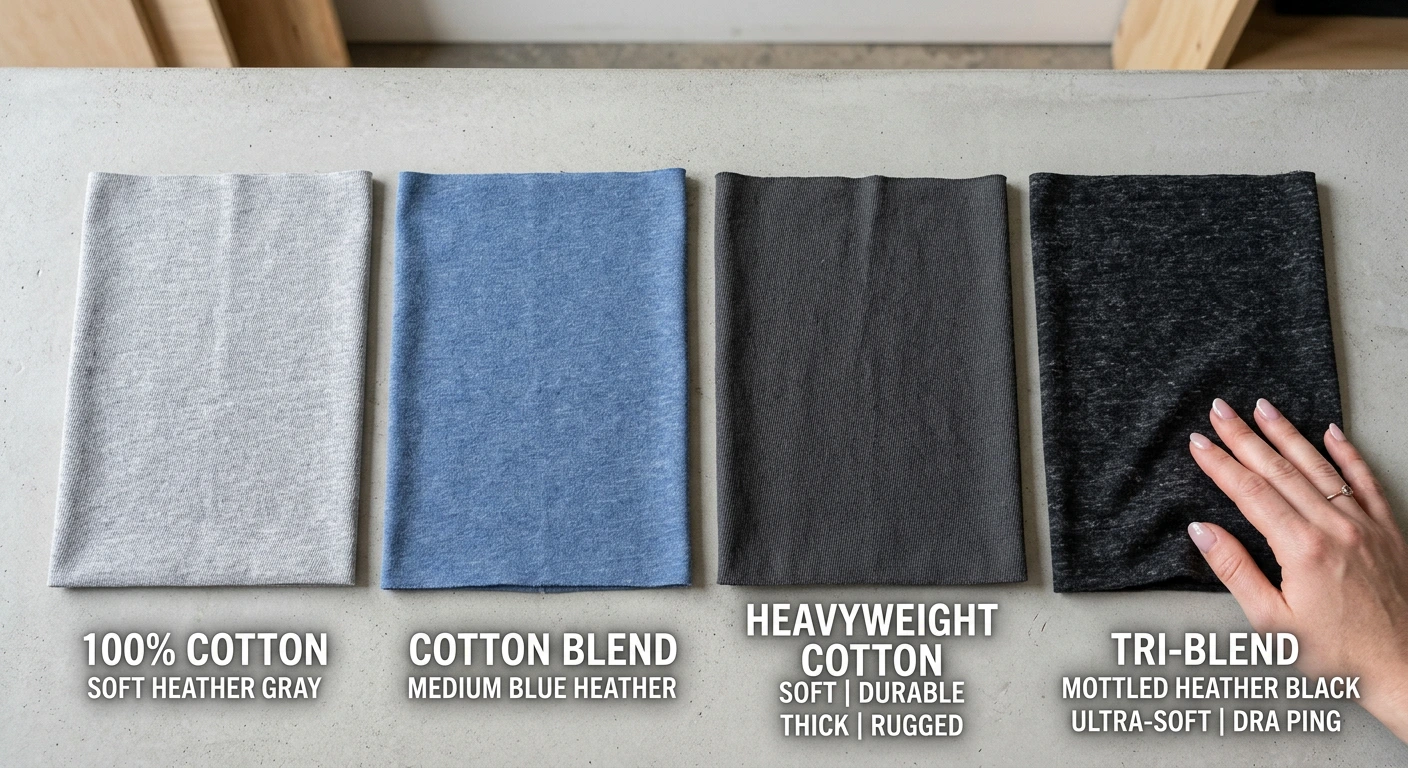
Material choice matters in streetwear for both comfort and durability. The best t-shirt fabric for Baltimore streetwear balances softness with structure.
Common streetwear fabrics:
- 100% cotton: Classic, breathable, takes graphics well
- Cotton blends: Added durability and shape retention
- Heavyweight cotton (6+ oz): Premium feel, better drape
- French terry: Ideal for hoodies and sweatshirts
- Fleece: Warmth without excessive weight
Tri-blend shirts offer exceptional softness while maintaining print quality for graphics.
Conclusion
Streetwear apparel is more than just clothing in every measurable way. It carries culture, communicates identity, builds community, and operates on an economic model that rewards substance over volume. The apparel is the most visible output of a system that runs much deeper than fabric and thread.
People who engage with streetwear at that level get something from it that no other clothing category offers. They get to wear who they are.
Whether you connect with Baltimore streetwear, explore graphic storytelling, or build a collection that represents your values, streetwear apparel provides a vehicle for authentic self-expression that mainstream fashion cannot replicate.
The clothes are the beginning. The culture is what makes them matter.
Wear Your Identity
Explore authentic Baltimore streetwear that connects you to culture, community, and the city’s creative spirit.
Shop BEL LLC Baltimore Collection →
Discover Our Baltimore Story →
Related Articles
- Baltimore Streetwear Brand: Culture, Community & Authentic Style
- What Defines a Modern Streetwear Brand
- Graphic Streetwear: The Power of Visual Identity
- Independent Streetwear Brand vs Mainstream Labels
- How Baltimore Influences Modern Streetwear Design
- Streetwear Essentials: Beyond Clothing
About the Author
This article was written by the BEL LLC team, a Baltimore-based streetwear brand rooted in local culture since our founding. We create apparel that represents the city’s identity, community values, and creative spirit. Our designs emerge from Baltimore’s streets, neighborhoods, and the people who make this city what it is.
Publication Date: March 5, 2026
Last Updated: March 25, 2026
Reading Time: 18 minutes
Category: Streetwear Culture